The core meaning of "A Dog's Will" lies in its exploration of compassion, faith, and the resilience of the human spirit in the face of social injustice and hypocrisy. Director Guel Arraes, adapting Ariano Suassuna's play, conveys that true virtue is not found in the rigid dogmas of powerful institutions like the church or the wealthy elite, but in the simple faith and empathy of the common person. The film celebrates the cleverness (malandragem) of the oppressed as a necessary tool for survival. Ultimately, it suggests that divine judgment values compassion and humility over wealth and status, and that everyone, no matter their sins, is worthy of a second chance through the intercession of mercy.
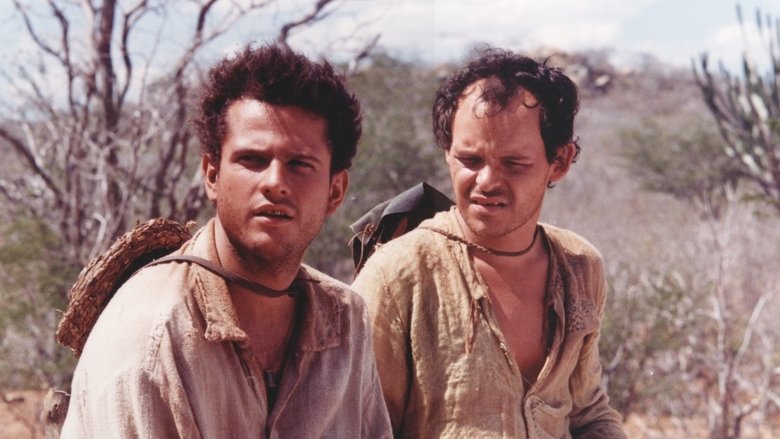
A a vibrant, picaresque comedy that dances on the line between earthly survival and divine judgment, wrapped in the sun-scorched colors of the Brazilian Northeast.
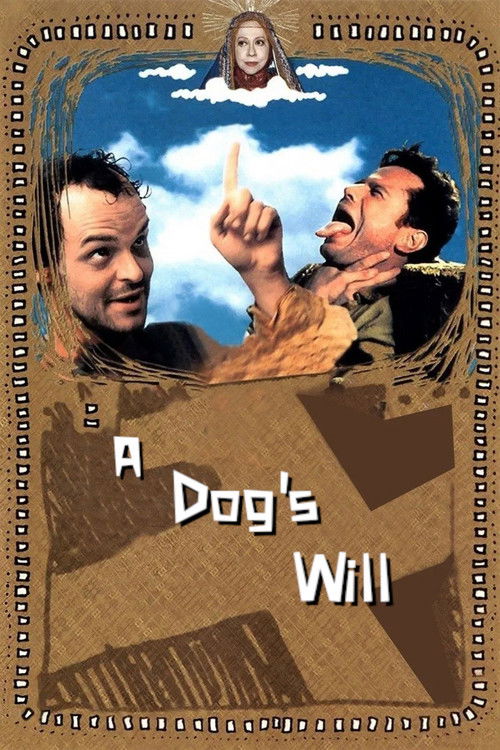
A Dog's Will
O Auto da Compadecida
"Lying with faith is not always a sin."
15 September 2000
Brazil
104 min
8.4
(1,183)
Director: Guel Arraes
Cast: Matheus Nachtergaele, Selton Mello, Rogério Cardoso, Denise Fraga, Diogo Vilela
Drama
Fantasy
Comedy
Romance
Social Critique and Religious Hypocrisy
Survival of the Witty (Malandragem)
Divine Mercy and Compassion
Brazilian Northeastern Culture and Identity
Box Office:
$4,903,192
A Dog's Will — Symbolism & Philosophy
Symbols & Motifs
The Dog's Will
Meaning:
The will of the baker's dog, a fabrication by João Grilo, symbolizes the absurdity and corruption of the powerful. It shows that institutions and their leaders are willing to abandon their principles and logic for financial gain, becoming puppets in the hands of a clever commoner.
Context:
João Grilo invents a will for the deceased dog of the baker's wife, stating it left a large sum of money to the church. This convinces the initially hesitant priest and bishop to grant the dog a Catholic burial with full honors, highlighting their greed and hypocrisy.
The Last Judgment
Meaning:
The final trial in heaven is a symbolic representation of Brazilian syncretism and popular Catholicism. It's not a rigid, terrifying event but a vibrant, chaotic courtroom where human arguments and divine compassion collide. The portrayal of a Black Jesus (Manuel) and a deeply empathetic Virgin Mary challenges traditional European religious imagery and reflects a uniquely Brazilian understanding of faith, justice, and mercy.
Context:
After being killed by the bandit Severino, all the main characters find themselves in the afterlife being judged. João Grilo must use his rhetorical skills one last time to appeal to the Virgin Mary, who acts as their celestial advocate against the Devil's accusations.
Chicó's Lies
Meaning:
Chicó's outlandish and fantastical stories symbolize the power of oral tradition and imagination in the sertão (backlands). His tales, though unbelievable, represent a form of escapism and cultural richness that coexists with the harsh reality of their lives. They are a nod to the region's folk storytelling and the magical realism inherent in its culture.
Context:
Throughout the film, Chicó tells incredible stories, such as having a cat that defecates money or tricking a fearsome bandit with a blessed harmonica. These stories are often met with disbelief but are central to his character and the film's folkloric tone.
Philosophical Questions
What is the relationship between justice and mercy?
The film directly confronts this question in its final act. The Devil argues for strict justice, demanding damnation for the characters based on their clear sins of greed, lust, and deceit. Jesus initially presides as an impartial judge. However, the Virgin Mary introduces the concept of mercy, arguing that their actions must be understood within the context of their suffering and social condition. The film ultimately suggests that true justice cannot exist without mercy and that a higher moral order is based on compassion rather than rigid adherence to rules.
Is it morally acceptable to break the law in an unjust society?
João Grilo's constant scheming and lying are technically immoral and illegal. However, the film portrays them as necessary acts of survival in a society where the powerful (the baker, the priest, the major) are themselves corrupt and exploitative. The narrative frames João's "sins" as a Robin Hood-esque leveling of the scales. The final judgment seems to validate this, as his deceptions against the hypocritical elite are viewed with more leniency than their own sins of greed and pride, raising questions about whether morality is absolute or relative to one's circumstances.
How does faith differ from organized religion?
The film draws a sharp distinction between the two. Organized religion is represented by the greedy, hypocritical priest and bishop, who use their positions for personal gain. Faith, on the other hand, is embodied by João Grilo's desperate but sincere appeals to the Virgin Mary and the simple piety of the common folk. The film suggests that true faith is a personal, compassionate relationship with the divine that exists outside of, and is often betrayed by, the flawed human institutions of the church.
Core Meaning
Explore More About This Movie
Dive deeper into specific aspects of the movie with our detailed analysis pages