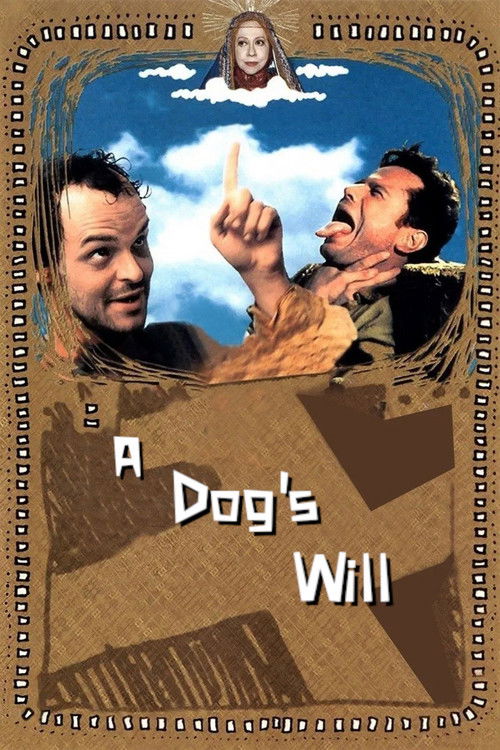
O Auto da Compadecida
"Lying with faith is not always a sin."
Director: Guel Arraes
Cast: Matheus Nachtergaele, Selton Mello, Rogério Cardoso, Denise Fraga, Diogo Vilela
A Dog's Will — Movie Quotes
Memorable Quotes
Não sei, só sei que foi assim.
Context
Chicó uses this phrase repeatedly after recounting one of his many fantastic and impossible stories, such as the time he was saved by a dying man's final breath or encountered a mysterious beast in the wilderness.
Meaning
Translated as "I don't know, I just know that's how it was," this is Chicó's signature line, used to conclude his most unbelievable tales. It encapsulates the film's embrace of magical realism and the oral storytelling traditions of the sertão. The quote signifies that in this world, the line between fact and fiction is blurred, and the power of a good story often outweighs the need for literal truth.
Valha-me Nossa Senhora, Mãe de Deus de Nazaré! A vaca mansa dá leite, a braba dá quando quer. A mansa dá sossegada, a braba levanta o pé. Já fui barco, fui navio, mas hoje sou escaler. Já fui menino, fui homem, só me falta ser mulher.
Context
João Grilo recites this verse at several critical moments when he is in mortal danger, most notably when facing the bandit Severino and during his final plea to the Virgin Mary in the judgment scene.
Meaning
This rhyming plea, taken from Brazilian folk poetry (cordel), is João Grilo's go-to invocation in times of extreme distress. It reflects the deep-rooted popular Catholicism of the region, where faith is expressed through personal, poetic, and almost conversational appeals to divine figures. The verse itself speaks of life's changes and humility, acknowledging his own smallness in the grand scheme of things.
Jesus às vezes se disfarça de mendigo pra testar a bondade dos homens.
Context
João Grilo says this to Chicó early in the film, expressing a piece of folk wisdom that guides his worldview. It's a sentiment that is later validated when Jesus himself appears as a humble, dark-skinned man to judge them.
Meaning
"Jesus sometimes disguises himself as a beggar to test the goodness of men." This line reflects a core tenet of the film's morality: that true faith is demonstrated through actions of charity and kindness towards the poor and marginalized, not through empty rituals performed by the wealthy. It foreshadows the final judgment, where one's treatment of the less fortunate is a key measure of their worth.
Explore More About This Movie
Dive deeper into specific aspects of the movie with our detailed analysis pages