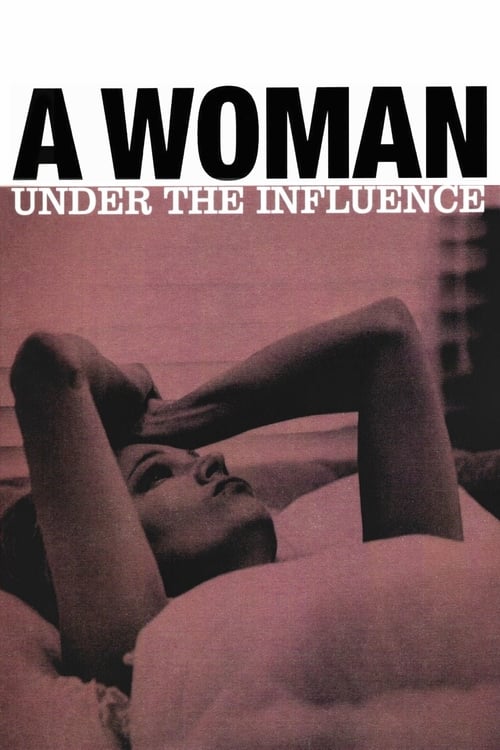
A Woman Under the Influence
A raw, claustrophobic drama of domestic disintegration where love becomes a fractured mirror, reflecting the agonizing struggle between a woman's vibrant spirit and the suffocating boundaries of mid-century normalcy.
A Woman Under the Influence

"A woman of today, her world, her passions."

18 November 1974 United States of America 155 min ⭐ 7.8 (540)
Director: John Cassavetes
Cast: Gena Rowlands, Peter Falk, Fred Draper, Lady Rowlands, Katherine Cassavetes
Drama Romance
The Performance of Normalcy Gender Roles and Patriarchal Control Communication Breakdown The Cycle of Family Dysfunction
Budget: $1,000,000
Box Office: $12,200,000

A Woman Under the Influence - Ending Explained

⚠️ Spoiler Analysis

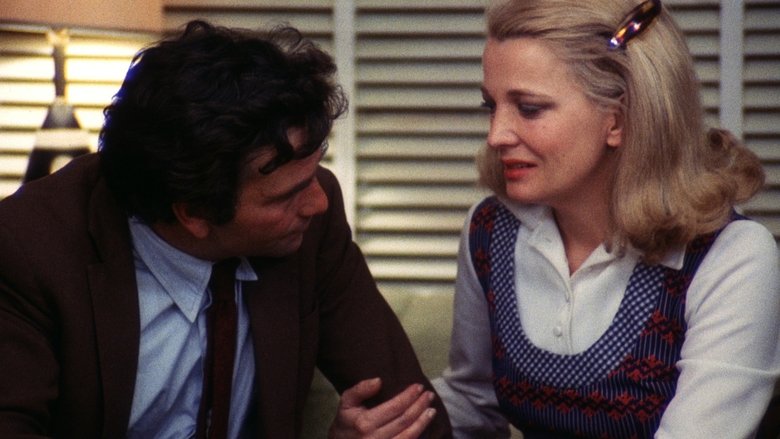
The film concludes with Mabel returning from the institution after six months. Far from being 'cured,' she is physically drained and seemingly terrified of her own family. The 'welcome home' party becomes another disaster, mirroring the earlier spaghetti dinner, as Nick’s father and mother once again clash with Mabel’s erratic attempts to reconnect.

The climax occurs when Nick slaps Mabel, forcing her to 'snap' back into a docile state. The ending is profoundly ambiguous: the couple tucks their children into bed and clears the table together, suggesting that they have simply returned to their dysfunctional cycle. The 'miracle' of the ending is not that she is better, but that they have agreed to keep surviving within their shared delusion.

Alternative Interpretations

The Feminist Critique: Many critics interpret Mabel not as mentally ill, but as a victim of a 'gaslighting' society. In this view, her behavior is a form of resistance against a role that provides no intellectual or creative stimulation.

The Mutual Madness Theory: Some readings argue that Nick is the truly unstable character, as he exhibits violent outbursts and is unable to handle reality without a script, whereas Mabel is simply 'unusually' honest about her feelings.

The Existentialist Reading: The film can be seen as a study of the 'Absurd,' where characters are trapped in a meaningless cycle of social rituals and their only 'escape' is through the performative madness that labels them outcasts.