The film concludes with Accattone stealing a motorbike to commit a theft with Balilla and Cartagine. The police intervene, and Accattone flees on the bike. During the chase, he crashes into a truck (or wall/curb, filmed obscurely). As he lies dying on the pavement, his friends are handcuffed nearby. One of the thieves makes an inverted sign of the cross (handcuffed hands). Accattone whispers, "Ah, mo' sto bene!" (Ah, now I'm fine!) and passes away. This confirms his death as a release. The camera pans away from his body to the grey, indifferent urban landscape, sealing the tragedy.
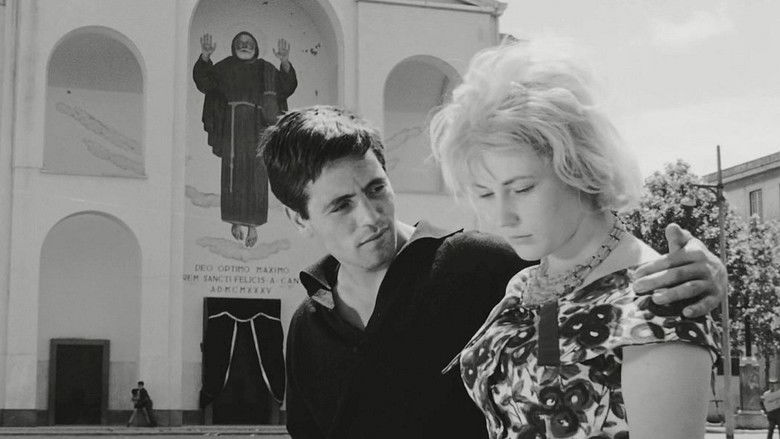
In the dusty, sun-bleached slums of Rome, a pimp's tragic slide toward destiny unfolds with the solemnity of a religious passion. A gritty fusion of the sacred and profane, where Bach's music hallows the lowest depths of human existence.
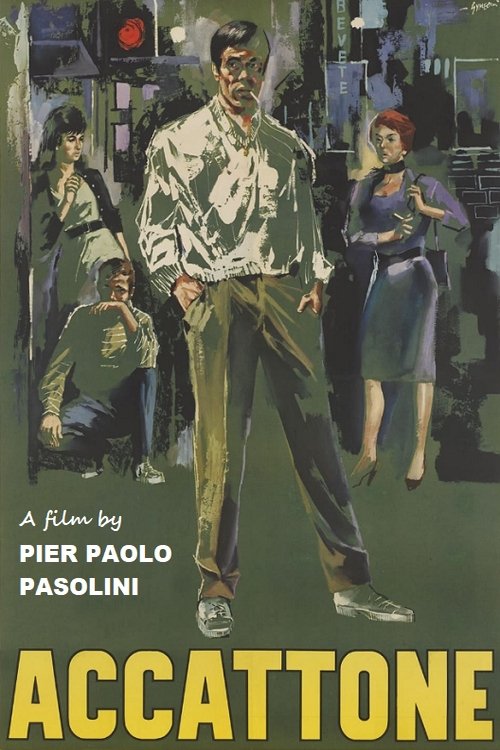
Accattone
"The Poor Man's "Dolce Vita""
25 September 1961
Italy
117 min
7.7
(509)
Director: Pier Paolo Pasolini
Cast: Franco Citti, Franca Pasut, Silvana Corsini, Paola Guidi, Adriana Asti
Drama
The Sacred and the Profane
Death as Destiny
Existential Immobility
Hunger and Corporeality
Accattone — Ending Explained
⚠️ Spoiler Analysis
Alternative Interpretations
Critics debate whether Accattone's death is a form of redemption or nihilism. Some argue that his final words ("Now I'm fine") and the Dante epigraph imply he is saved, achieving a spiritual grace denied to him in life. Others, like critic Marc Gervais, argue that his death is a tragedy of immobility—he dies because society allows him no other exit, and his "salvation" is merely the cessation of pain, offering no hope for the class he represents. A third reading suggests the film is a Marxist critique disguised as a passion play, showing that the sub-proletariat is left behind by the capitalist "economic miracle."
Explore More About This Movie
Dive deeper into specific aspects of the movie with our detailed analysis pages