
Note: the published material consulted for this analysis does not recount the film's final act in detail, so what follows covers the confirmed plot mechanics and their implications rather than inventing a resolution.
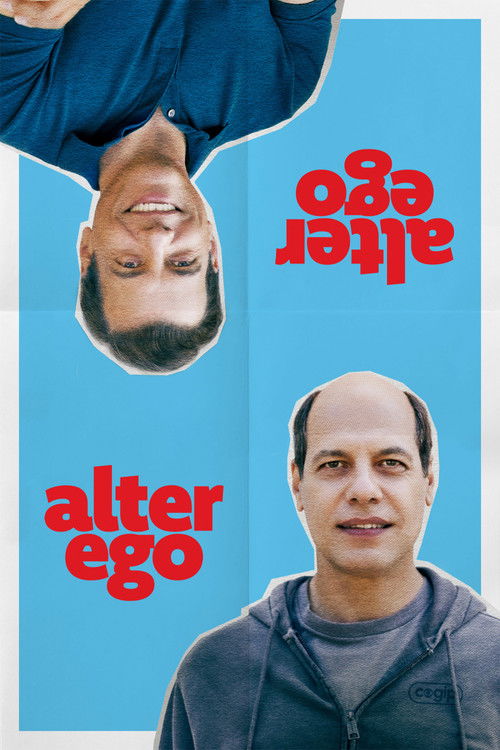
The setup is a trap disguised as a coincidence. Alex Floutard's life in a suburban house with his wife Nathalie is presented as settled — dull, a little cantankerous, but functional. The arrival of Axel next door introduces a man identical to him in every respect except hair, paired with a magnificent wife and visibly fulfilled. The film's crucial structural decision is that Axel is never an antagonist. He commits no hostile act. The entire escalation is generated inside Alex, which is what converts a farce premise into something closer to a paranoid thriller and explains why the film played a fantastic-cinema festival.
From there the rivalry corrodes outward: Alex's personal and professional life are both thrown into disarray, and he is driven toward a nervous breakdown. The second casualty is the marriage. Nathalie is not merely a spectator — exposed to Axel and his household, her own flaws come to the surface, meaning the comparison poisons both partners rather than one. What looked like Alex's private neurosis turns out to be a shared condition that the couple had simply never been made to face.
The retroactive meaning. The joke that the only difference between the two men is hair is not a joke at all: it is the reveal, seeded from the first scene. Everything Alex attributes to Axel's superiority — the poise, the marriage, the success — is downstream of a cosmetic accident, or of nothing at all. The names say it too: Alex and Axel are the same letters reordered. On a second viewing the film reads as the portrait of a man who had already lost to his own self-image long before anyone moved in across the street; Axel merely gave that image an address.