
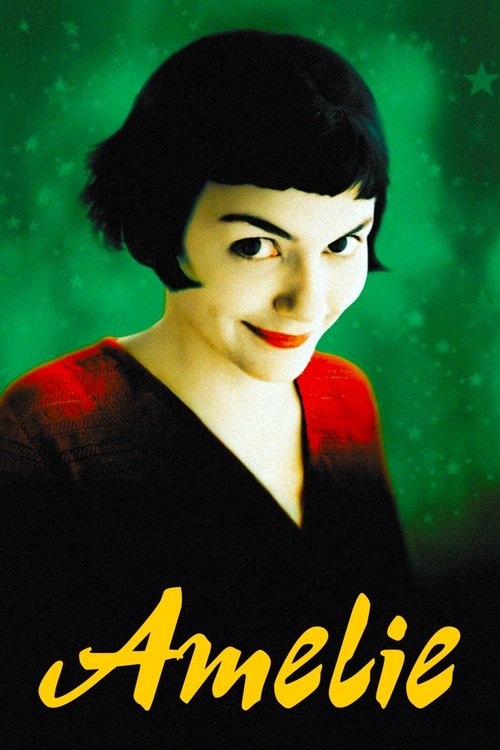
The central plot of "Amélie" follows her secret missions to improve the lives of others. She successfully reunites Dominique Bretodeau with his childhood memories, which inspires him to reconnect with his family. She creates a fabricated love letter from a dead husband to bring peace to her lonely concierge, Madeleine Wallace. She also orchestrates a romance between her hypochondriac coworker Georgette and the obsessive patron Joseph. In an act of playful justice, she sabotages the apartment of the cruel grocer, Collignon, driving him to the brink of madness and allowing his kind assistant, Lucien, to flourish.
The main romantic plot involves Nino, who is obsessed with a mysterious man who repeatedly appears in discarded photo booth pictures. The hidden meaning, which Amélie helps him discover, is that the man is simply the photo booth repairman, taking a picture to ensure the machine works. This mundane explanation subverts the romantic mystery, reinforcing the theme of finding magic in the ordinary.
Amélie's own character arc climaxes when she must overcome her fear of direct interaction. After a series of charming but evasive games to return Nino's photo album, she panics at the final moment of meeting him. It is her reclusive neighbor, Raymond Dufayel, who provides the final push. He sends her a video message, urging her not to be a coward and to embrace life's knocks because her "bones aren't made of glass." Spurred by his words, Amélie finally opens her door to Nino. They share a tender, quirky first kiss, and the film ends with them joyfully riding on his scooter through the streets of Paris, signifying that Amélie has finally found her own happiness by embracing love and vulnerability. The ending reinforces that her journey to help others was also her journey to heal herself and learn to accept the love she deserved.