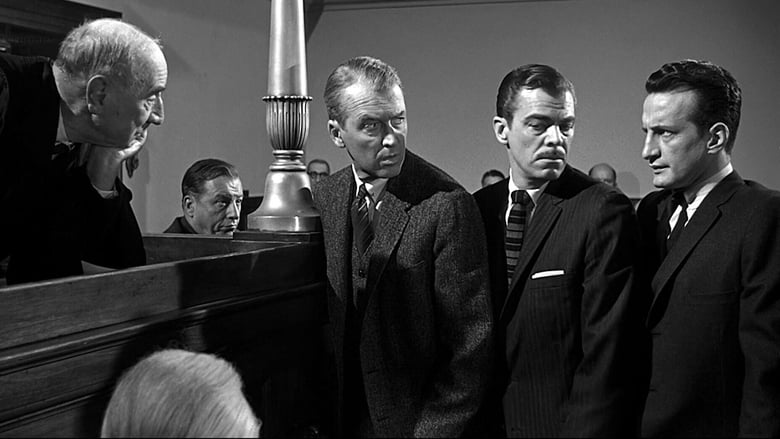
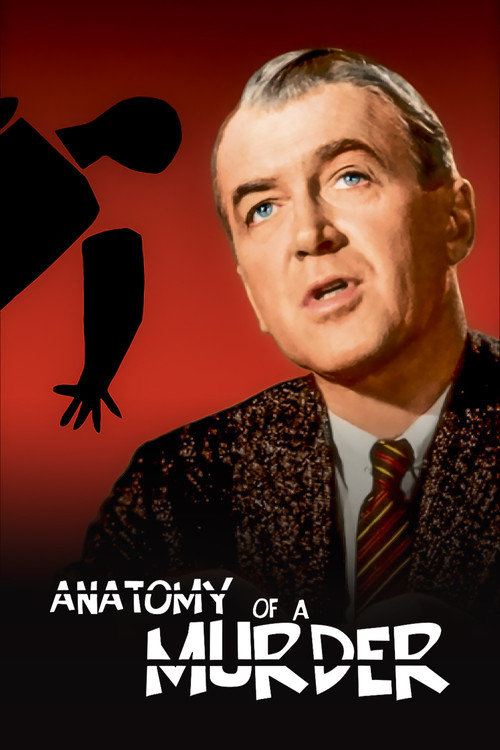
"No search of human emotions has ever probed so deeply, so truthfully as… Anatomy of a Murder."
Director: Otto Preminger
Cast: James Stewart, Lee Remick, Ben Gazzara, Arthur O'Connell, Eve Arden
Anatomy of a Murder — Movie Quotes
Memorable Quotes
As a lawyer, I've had to learn that people aren't just good or just bad. People are many things.
Context
Biegler says this early in the film, explaining his professional philosophy. It sets the stage for the moral gray areas that the film will explore.
Meaning
This line encapsulates one of the film's central themes: the moral complexity of human nature. It reflects Biegler's pragmatic and non-judgmental approach to his clients and the law, and serves as a guide for the audience in interpreting the film's morally ambiguous characters.
Maybe you're too pure, Paul. Too pure for the natural impurities of the law.
Context
Parnell says this to Biegler as they discuss the case, particularly after Biegler is hesitant about how to construct Manion's defense.
Meaning
This quote highlights the cynical reality of the legal profession, suggesting that a certain degree of moral flexibility is necessary to succeed. It questions Biegler's initial reluctance and hints at the ethically dubious strategies that might be required to win the case.
Twelve people go off into a room: twelve different minds, twelve different hearts, from twelve different walks of life... And in their judgment, they must become of one mind - unanimous. It's one of the miracles of Man's disorganized soul that they can do it, and in most instances, do it right well. God bless juries.
Context
Parnell delivers this reflective speech, offering a moment of philosophical contemplation on the nature of the American legal system.
Meaning
This monologue expresses a profound, almost reverential, faith in the jury system, despite its imperfections. It stands in contrast to the film's otherwise cynical portrayal of legal maneuvering, offering a moment of genuine idealism about the pursuit of justice.
Explore More About This Movie
Dive deeper into specific aspects of the movie with our detailed analysis pages