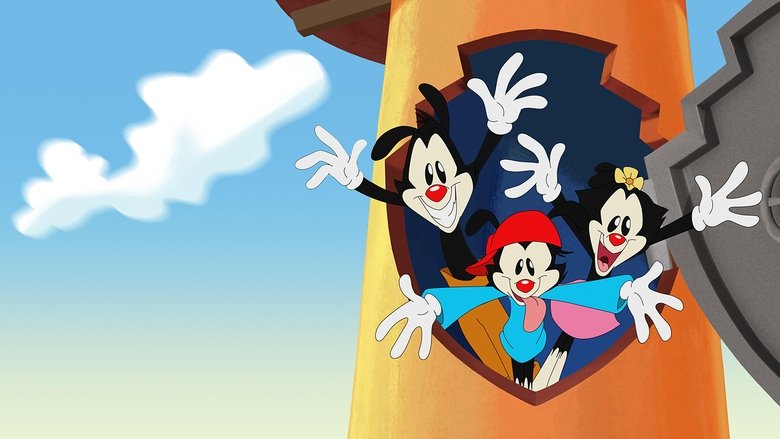
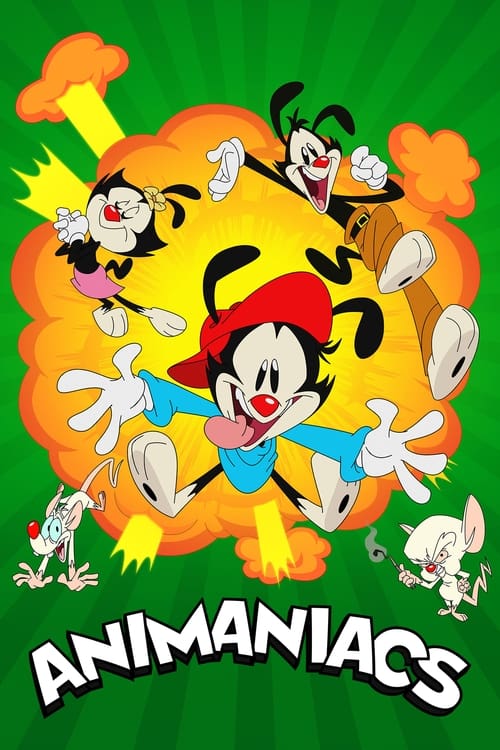
As a sketch-based comedy, "Animaniacs" does not have a continuous, overarching plot with major twists. The primary spoiler is the series' ending in the final episode of Season 3, "All's Fair in Love and War and Peace". The episode is highly meta, with the Warners learning that their show is being cancelled. The final segment involves the Warners literally battling a giant alien monster which turns out to be a manifestation of all the online hate and criticism the reboot has received. After defeating it, the Warners, along with Pinky and the Brain and the new CEO Nora, decide to leave the Warner Bros. lot for good, blasting off in the water tower which is revealed to be a spaceship.
This ending serves as a final, definitive piece of meta-commentary on the show's run. It's a satirical take on television cancellations and the often-toxic relationship between creators and online fandoms. The revelation of the water tower as a spaceship provides a whimsical, Looney Tunes-esque exit for the characters, suggesting their adventures will continue elsewhere, even if not on screen. Throughout the series, there is no major plot development; characters do not fundamentally change. The Brain never takes over the world, and the Warners never stop causing chaos. The show's structure is cyclical, with each segment resetting the status quo, which is typical for the genre. The true "hidden meaning" is the ongoing commentary, which becomes clearer when viewed as a complete three-season arc: it's a story about a '90s cartoon trying, and ultimately succeeding in its own way, to make sense of the chaotic, reboot-obsessed 21st century before taking a final bow.