Skip to content
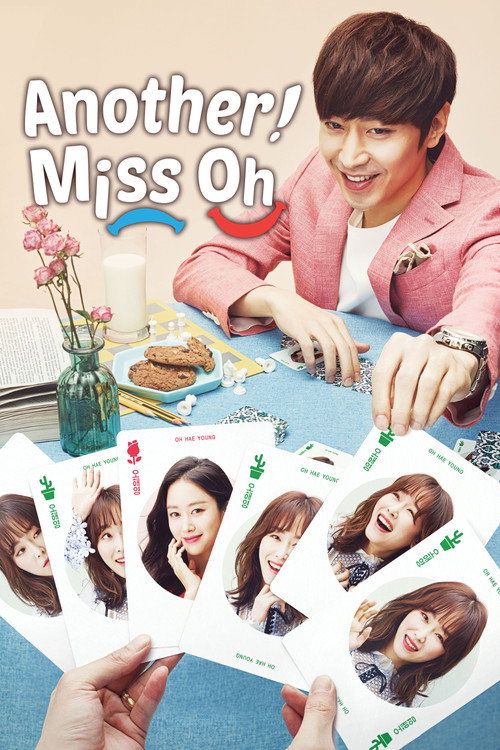
Another Miss Oh
A raw, bittersweet romantic melodrama wrapped in sensory turbulence, pulsing with the ache of unbridled vulnerability like bare feet running across broken glass into warm spring rain.
Another Miss Oh

Another Miss Oh

또 오해영

02 May 2016 — 28 June 2016 South Korea 1 season 18 episode Ended 8.2 (254)

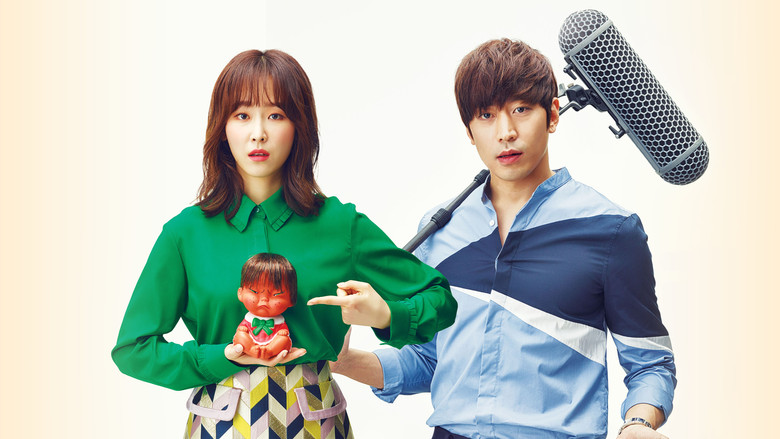
Cast: Eric Mun, Seo Hyun-jin, Jeon Hye-bin, Ye Ji-won, Kim Ji-seok

Drama Comedy Radical Vulnerability vs. Protective Pride Identity and the Shadow of Comparison Fate, Precognition, and Free Will Sound, Perception, and Emotional Truth Shared Grief and Generational Healing

Overview

Another Miss Oh (tvN, 2016), created by writer Park Hae-young and director Song Hyun-wook, is an 18-episode romantic drama centered on identity, personal trauma, and emotional catharsis. The narrative revolves around Oh Hae-young (Seo Hyun-jin), an "ordinary" woman carrying lifelong feelings of inadequacy from sharing a name with a former classmate who was prettier, wealthier, and seemingly effortless. On the eve of her wedding, Hae-young’s fiancé abruptly calls off the marriage, leaving her socially ostracized and emotionally shattered.

Concurrently, Park Do-kyung (Eric Mun) is an exacting, emotionally guarded sound director haunted by his own abandonment at the altar a year earlier by his fiancée, who shares the identical name: Oh Hae-young (Jeon Hye-bin). Seeking impulsive revenge after hearing that his ex-fiancée is marrying a businessman named Han Tae-jin (Lee Jae-yoon), Do-kyung orchestrates Tae-jin’s financial ruin, only to realize too late that he destroyed the life of the "other" Oh Hae-young.

As their lives collide through proximity and mistaken identities, Do-kyung experiences unexplained, vivid precognitions of Hae-young before ever meeting her in person. The series traces their chaotic, painful entanglement as two wounded souls navigate guilt, professional survival, and the frightening courage required to love without self-protective walls.


Core Meaning

The core thesis of Another Miss Oh is that true emotional liberation and healing require radical vulnerability and living without regret. Through the parallel trajectories of Do-kyung and Hae-young, the series demonstrates how emotional self-defense mechanisms—pride, fear of humiliation, and holding back feelings—imprison the human spirit. Facing rejection, humiliation, and even heartbreak with an open, unflinching heart is vastly superior to a safe life governed by emotional cowardice.

Thematic DNA

Radical Vulnerability vs. Protective Pride 30%
Identity and the Shadow of Comparison 25%
Fate, Precognition, and Free Will 20%
Sound, Perception, and Emotional Truth 15%
Shared Grief and Generational Healing 10%

Radical Vulnerability vs. Protective Pride

Hae-young’s complete transparency and refusal to feign indifference stand in contrast to Do-kyung’s emotional armor. The narrative demonstrates that vulnerability is not weakness, but the ultimate act of courage.

Identity and the Shadow of Comparison

The shared name motif explores how societal hierarchies and childhood comparisons instill deep-seated feelings of inferiority, shaping self-worth well into adulthood.

Fate, Precognition, and Free Will

Explored through Do-kyung’s visions, asking whether the future is fixed or if conscious emotional honesty can alter tragic outcomes.

Sound, Perception, and Emotional Truth

As a sound designer, Do-kyung manipulates audio tracks for films, yet fails to listen to internal emotional realities until he opens up. Sound serves as an unfiltered conduit of emotion.

Shared Grief and Generational Healing

Highlighted through Hae-young's volatile yet protective relationship with her mother, demonstrating how love manifests within domestic turbulence.

Character Analysis

Oh Hae-young (Ordinary)

Seo Hyun-jin

Archetype: Wounded Hero Key Trait: Unfiltered, raw emotional honesty

Motivation

To live authentically, be genuinely loved for who she is, and overcome the shadow of her namesake.

Character Arc

Evolves from deep self-loathing and comparison-induced trauma to fierce self-acceptance and emotional agency.

Park Do-kyung

Eric Mun

Archetype: Byronic Hero / Stoic Key Trait: Meticulous, hyper-sensitive

Motivation

To atone for the unintended destruction he caused and to express his true feelings before time runs out.

Character Arc

Melts his cold, defensive emotional armor and confronts his mortality to live and love without regrets.

All 5 characters and cast

Symbols & Motifs

The Foley Microphone and Soundscapes

Meaning:

Represents Do-kyung’s acute sensitivity to the world while exposing his detachment from genuine human intimacy. It underscores that what is invisible can often be felt most profoundly.

Context:

Used during Do-kyung's professional sound mixing and recording sessions throughout the series.

The Adjoining Room Door

Meaning:

Symbolizes the fragile boundary separating emotional isolation from shared intimacy.

Context:

The secret doorway connecting Do-kyung’s living space and Hae-young’s rented annex.

Flying Leap Hug and Flying Shoes

Meaning:

Symbolizes shedding social decorum and leaping headfirst into love without safety nets.

Context:

Hae-young’s uninhibited sprints into Do-kyung’s arms, where her shoes often fly off in the alleyway.

The Looming White Car / Crossroad

Meaning:

Reflects Do-kyung’s impending mortality, symbolizing the ticking clock that forces him to shed pride and choose authenticity.

Context:

A recurring visual flash in Do-kyung's precognitive visions at an intersection.

Cherry Blossoms

Meaning:

Serves as a motif for fleeting life, fragile timing, and renewal.

Context:

Ephemeral spring blossoms appearing at pivotal moments of confession and longing between the leads.

Memorable Quotes

난 내가 여기서 조금만 더 괜찮아지길 바랐던 거지, 걔가 되길 원한 건 아니었어. 난 내가 여전히 애틋하고, 잘 되길 바라.
— Oh Hae-young

Context

Episode 6, reflecting on her lifelong comparison to the other Oh Hae-young.

Meaning

The emotional turning point where Hae-young reclaims her agency, choosing self-compassion over self-erasure.

조금만 더 안아주라. 조금만 더.
— Park Do-kyung

Context

Episode 14, sharing an intimate embrace with Hae-young.

Meaning

Represents Do-kyung’s complete surrender of stoicism, voicing his yearning for emotional connection without pretense.

All 4 quotes

Episode Highlights

Can I Cry?

S1E1

Introduces the dual heartbreak of Hae-young and Do-kyung, establishing the disastrous mistake of ruined revenge.

Significance:

Sets up the tragic knot connecting all four main leads.

Let's Hum a Song and Go Home

S1E4

Features the iconic first flying leap hug where Hae-young leaps across the alley into Do-kyung's arms to avoid her parents.

Significance:

Breaks the physical distance between them and triggers Do-kyung’s realization that his visions are real.

The Wind Blew in That Heart

S1E9

Showcases the passionate, turbulent alley wall-kiss sequence fueled by shared despair, fury, and attraction.

Significance:

Shatters their emotional denial and acts as the narrative climax of the first half.

The Way to Go to You

S1E10

Do-kyung discovers the true meaning of his precognitive visions through his psychiatrist: they are memories playing backwards from his dying moments.

Significance:

Reframes the entire series from a supernatural rom-com into a profound meditation on living without regret.

A Heart That Can't Be Helped

S1E13

Do-kyung resolves not to hold back his feelings, running to Hae-young and confessing his love despite the impending car accident vision.

Significance:

Alters the psychological timeline; destiny begins shifting through human will.

Please Stay Alive, I'm Grateful You're Alive

S1E18

Do-kyung is struck by Tae-jin’s business partner’s car, but survives critical surgery as Hae-young holds his hand, followed by their lively wedding.

Significance:

Concludes the narrative arc by overturning the fatalistic vision through unconditional love and presence.

Philosophical Questions

Is fate unchangeable, or can conscious love alter our destiny?

Explored through Do-kyung's struggle against his precognitive vision of death, showing how choosing vulnerability over fear can shift outcomes.

Does emotional self-preservation protect the self, or does it slowly kill the soul?

Contrasts Do-kyung's stoic emotional armor with Hae-young's willingness to be hurt, demonstrating that withholding love leads to regret rather than safety.

How much of our identity is shaped by social comparison rather than intrinsic desire?

Examines how sharing a name with a 'perfect' classmate caused Hae-young to internalize feelings of inadequacy and define herself in opposition to another.

If we lived our present moments with the clarity of our final breaths, how would we love differently?

Investigates how Do-kyung's deathbed realization strips away superficial pride and forces him to love fully without calculation.

Alternative Interpretations

Several lenses offer deeper readings of the narrative:

Full ending explanation

Cultural Impact

Aired during the golden resurgence of cable network tvN in 2016, Another Miss Oh broke double-digit rating records for Monday-Tuesday cable time slots (peaking at ~10%). The series significantly disrupted traditional K-drama tropes by portraying female desire, physical intimacy, and emotional vulnerability with raw authenticity rather than passive modesty.

The critical success elevated Seo Hyun-jin to top-tier leading actress status (winning Best Actress at the 53rd Baeksang Arts Awards) and cemented screenwriter Park Hae-young's reputation for psychologically nuanced television.

Audience Reception

Another Miss Oh achieved widespread audience acclaim, particularly among viewers in their 20s–40s who resonated with the realistic workplace struggles and emotional transparency. Seo Hyun-jin's tour-de-force performance, the electrifying chemistry between the leads, the groundbreaking Foley sound design, and the mature depiction of adult romance were heavily praised.

Conversely, criticisms centered on Do-kyung's early toxic and destructive choices, the intensity of the Episode 9 wall-kiss (viewed by some as aggressive), a mid-series pacing slump resulting from the two-episode extension, and the tragic collateral damage inflicted upon Han Tae-jin.

Interesting Facts

  • Originally planned for 16 episodes, tvN extended the series by two episodes to 18 due to its critical acclaim and surging viewership ratings.
  • The female lead role of 'ordinary' Oh Hae-young was offered to other actresses (including Kim A-joong) before Seo Hyun-jin was cast; her performance became a major career milestone.
  • Another Miss Oh was the inaugural drama project officially produced under the newly formed Studio Dragon brand banner in 2016.
  • The production hired real professional sound engineers to train Eric Mun and ensure technical precision during all Foley recording sequences.
  • Screenwriter Park Hae-young meticulously based the dialogue on real female conversational patterns and everyday relational insecurities.

Easter Eggs

Yeon Woo-jin Cameo

Actor Yeon Woo-jin appeared as a lawyer (Gong Ki-tae) in Episode 7, directly referencing his lead character from director Song Hyun-wook's previous hit drama Marriage, Not Dating (2014).

Lee Yoo-ri Cameo

Appeared as the younger version of Park Do-kyung's mother in flashbacks, highlighting the narcissistic maternal trauma shaping Do-kyung’s youth.

Lee Pil-mo Cameo

Portrayed Do-kyung’s late father, whose memory of recording ambient nature sounds inspired Do-kyung’s profession.

Shinhwa Allusion

Eric Mun’s status as the leader of the legendary K-pop group Shinhwa was subtly nodded to in dynamic physical comedic timing throughout the production.

Frequently Asked Questions

Explore More About This Movie

Dive deeper into specific aspects of the movie with our detailed analysis pages

Comments (0)

Leave a comment

No comments yet. Be the first to share your thoughts!

Similar Movies