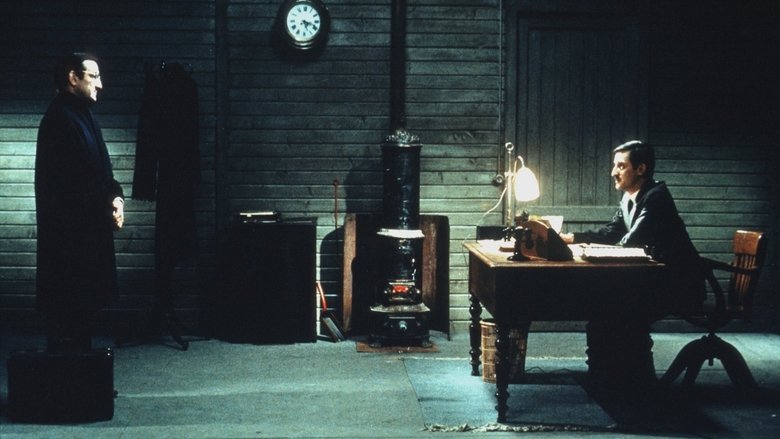
The plot of "Army of Shadows" is a series of loosely connected, episodic events that reveal the brutal reality of the French Resistance, culminating in a devastating cycle of betrayal and death. After Philippe Gerbier escapes from a Vichy camp and then Gestapo headquarters, he rejoins his network. Their first major act is the execution of a young informant, Paul Dounat. The scene is agonizingly protracted; unable to use a gun due to nearby neighbors, they are forced to strangle him, establishing the film's unflinching gaze at the grim necessities of their work.
A key plotline involves the capture and torture of Félix Lepercq. A rescue plan is devised by the highly competent Mathilde, but it fails when a prison doctor declares Félix unfit for transport. In a selfless act, Jean-François Jardie, who had gotten himself arrested to aid the escape, gives Félix his cyanide pill to end his suffering. This failure emphasizes the constant state of defeat in which the cell operates.
The film's most significant twist involves Mathilde. After she masterminds a daring rescue of Gerbier from a German firing squad, she is herself captured. The Gestapo discovers a photo of her daughter and uses it as leverage, forcing her to betray the network. Luc Jardie deduces her betrayal, and Gerbier, despite Mathilde having saved his life, makes the agonizing decision that she must be executed to protect the remaining members. The final, haunting scene shows Gerbier, Le Bison, and Le Masque tracking Mathilde through the streets of Paris and killing her. This act reveals the core, tragic principle of their war: survival of the network supersedes all personal loyalties and debts.
The ending's hidden meaning is solidified by the on-screen text that follows this execution. As the assassins drive away, subtitles appear, revealing the fate of each of the surviving men: all of them are captured and killed or commit suicide within the year. This final revelation confirms the film's overwhelming fatalism. There is no victory, no survival. Their struggle was a temporary defiance against an inevitable end. Gerbier's fate is noted as, "On 13 February 1944, he decided not to run this time," implying a final, weary acceptance of death, bringing the narrative full circle from his frantic escapes at the beginning.