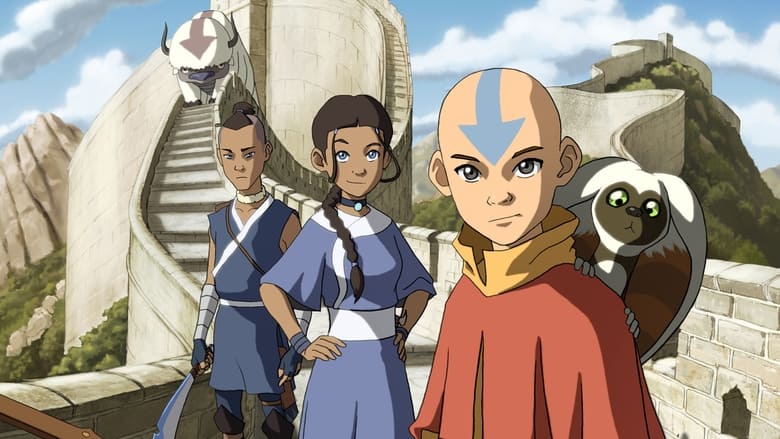
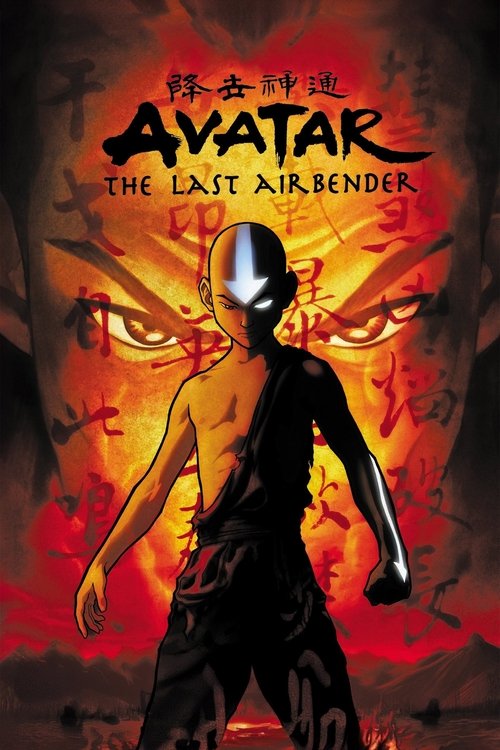
Avatar: The Last Airbender
An epic animated saga where elemental magic dances with profound emotion, painting a sweeping tapestry of war, destiny, and the enduring resilience of the human spirit.
Avatar: The Last Airbender

"Fire. Air. Water. Earth"

21 February 2005 — 19 July 2008 South Korea 3 season 61 episode Ended ⭐ 8.8 (4,487)
Cast: Zach Tyler Eisen, Mae Whitman, Jack De Sena, Dante Basco, Dee Bradley Baker
Animation Sci-Fi & Fantasy Action & Adventure
War, Imperialism, and Genocide Destiny vs. Free Will Redemption and Forgiveness Balance and Harmony

Avatar: The Last Airbender - Ending Explained

⚠️ Spoiler Analysis

The overarching plot of Avatar: The Last Airbender is punctuated by several major twists that redefine character arcs and the stakes of the war. A crucial early reveal is the parallel between Aang's backstory of fleeing his responsibilities and Zuko's banishment for speaking out of turn, establishing them as two sides of the same coin. The first season culminates in Admiral Zhao's killing of the Moon Spirit, which is only reversed by Princess Yue's sacrifice, transforming her from a human into a spiritual entity and marking Sokka's first great loss.

Season 2's major turning point is the fall of Ba Sing Se, orchestrated by Princess Azula. This event is a devastating blow to the heroes, built on Zuko's pivotal choice to betray his Uncle Iroh and side with Azula, a decision that haunts him and delays his redemption. The season ends with Aang being struck by Azula's lightning while in the Avatar State, severing his connection to it and nearly killing him, leaving the world on the brink of defeat. Only Katara's spirit water is able to revive him.

Season 3's most significant revelation is that Zuko is the great-grandson of Avatar Roku, meaning the blood of both the Fire Lord and the Avatar flows within him. This truth becomes the final catalyst for his defection, as he realizes his true purpose is to help Aang restore the balance his ancestors disrupted. The finale's hidden meaning lies in Aang's ultimate decision. After spending three seasons preparing to defeat the Fire Lord, he is presented with a moral crisis: to save the world, he must kill Ozai, an act that violates his core Air Nomad beliefs. The surprise introduction of the Lion Turtle and the ancient art of energybending provides a unique solution. By taking Ozai's bending away, Aang defeats the tyrant without sacrificing his soul. This ending reinforces the series' core message that true mastery is not about destructive power, but about understanding, compassion, and finding a better way, creating a new future rather than just ending a life.

Alternative Interpretations

While the series' primary themes are quite clear, some interpretations offer different lenses through which to view the narrative. One common interpretation reads the story as a spiritual allegory for achieving enlightenment. In this view, Aang represents the divine self, and his journey to master the four elements is a metaphor for mastering the four lower chakras to achieve balance and save the world (the self) from the Fire Nation (the ego). The Fire Nation's aggression, stemming from the solar plexus chakra (seat of the ego), seeks to dominate, while the Avatar's goal is to restore harmony among all centers of being.

Another perspective focuses heavily on the political commentary, viewing the Fire Nation's actions not just as a generic evil but as a direct critique of historical and modern imperialism, drawing parallels to Imperial Japan's actions in World War II. This interpretation sees the series as a powerful anti-colonial and anti-militarist text, examining how propaganda, nationalism, and the suppression of history can fuel generations of conflict. The finale, where Aang removes Ozai's bending rather than killing him, can be interpreted not just as a personal moral victory but as a political statement on the nature of justice, suggesting that restorative justice (disarming the oppressor) is a more enlightened path than retributive justice (execution).