Azur et Asmar
Azur & Asmar: The Princes' Quest - Symbolism & Philosophy
Symbols & Motifs
Blue Eyes
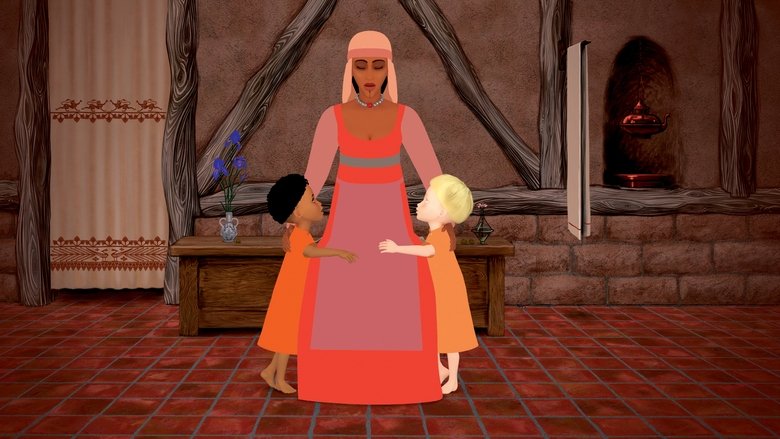
A symbol of stigma and 'otherness.' In Europe, Azur is privileged; in the Maghreb, his eyes mark him as a cursed outsider.
Azur keeps his eyes closed for a large portion of the film, pretending to be blind to avoid persecution, symbolizing the blindness of prejudice itself.
The Djinn Fairy
The ultimate goal of enlightenment and cross-cultural union. She represents the synthesis of the boys' shared childhood dreams.
She waits in a cage of lights, accessible only to those who can unite three magic keys, representing the unlocking of cultural barriers.
The Two Keys
Complementary strengths required to succeed. Neither Azur nor Asmar can open the Gate of Lights alone.
Azur finds the Warm Key and Asmar finds the Perfumed Key; they must use them together, symbolizing that East and West must cooperate to achieve the ideal.
Philosophical Questions
Does knowledge of a culture require belonging to it by blood?
The film argues 'no' through Azur, who learns the language and customs of the Maghreb and navigates them successfully, suggesting culture is learned, not inherited.
Is integration the responsibility of the immigrant or the host society?
Through Crapoux and Azur, the film shows two paths: Crapoux refuses to adapt and remains miserable, while Azur adapts (learning Arabic, respecting customs) and flourishes, suggesting integration is an active, personal effort.
Core Meaning
The film is a profound allegory for immigration and cultural integration. By reversing the typical narrative—placing a white European as the vulnerable immigrant in a North African land—director Michel Ocelot challenges Eurocentric perspectives. The central message is that knowing two languages and two cultures makes one twice as rich, not divided. It advocates for a world where brotherhood is defined by shared love and experience rather than race or lineage.