"At long last Redmond Barry became a gentleman -- and that was his tragedy."
Barry Lyndon - Ending Explained
⚠️ Spoiler Analysis
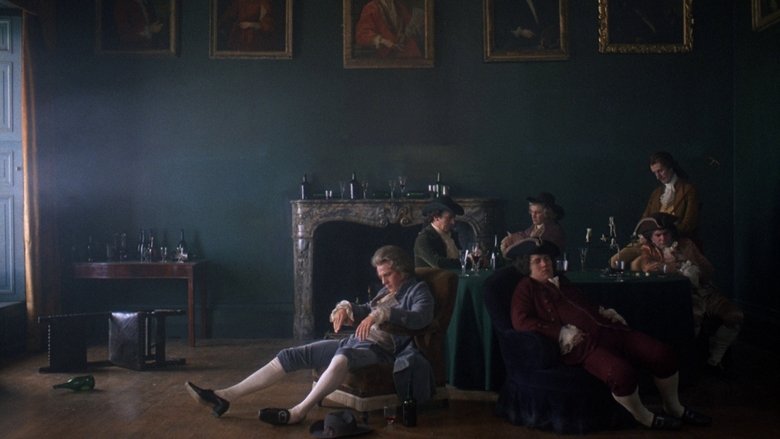
The entire narrative of Barry Lyndon is a meticulously detailed account of the protagonist's rise and inevitable fall, a trajectory made explicit from the outset by the narrator. After successfully marrying the Countess of Lyndon and acquiring her fortune, Barry's hubris becomes his undoing. He is openly unfaithful, spends his wife's money lavishly in a desperate bid to secure a peerage, and alienates the high society he wishes to join. His cruel and abusive treatment of his stepson, Lord Bullingdon, culminates in a public scene where Barry savagely beats the young man, making himself a social pariah.
The film's tragic turning point is the death of Barry's beloved son, Bryan. After being thrown from a horse that Barry had given him as a birthday present, the boy dies slowly, leaving both Barry and Lady Lyndon devastated. Barry descends into alcoholism, and Lady Lyndon attempts suicide. Seizing the opportunity, the now-adult Lord Bullingdon returns from exile and challenges Barry to a duel. The duel is a tense, pathetic affair held in a tithe barn. Bullingdon's pistol misfires on his turn. In a moment that can be interpreted as either redemption, pity, or a final gamble, Barry deliberately fires his pistol into the ground, sparing his stepson. Bullingdon, however, does not return the favor and, on his second turn, shoots Barry in the leg. The wound is so severe that the leg must be amputated. Defeated and broken, Barry accepts an offer of 500 guineas a year to leave England forever, never to see Lady Lyndon again. The final scene shows Lady Lyndon, years later, signing the annuity check under the watchful eye of Lord Bullingdon, who has successfully reclaimed control of his family's estate. The film concludes with the famous epilogue, stating that all these characters, with their triumphs and sorrows, are now equal in death.
Alternative Interpretations
While the dominant interpretation of Barry Lyndon centers on the themes of fate and the futility of ambition, alternative readings offer different perspectives on the protagonist and the film's ending. One interpretation sees Barry's final act in the duel—deliberately firing into the ground rather than shooting Lord Bullingdon—as a moment of genuine moral redemption. After a life of pure opportunism, the loss of his son Bryan may have awakened a paternal instinct or a desire to end the cycle of violence. In this view, losing his leg is the price for this single act of grace, a final, fleeting assertion of honor that ironically costs him everything.
Another perspective views the film as a sharp satire of aristocracy and class structure. Barry is not just a victim of fate but a disrupter who exposes the hypocrisy and emptiness of the upper class. His downfall isn't just personal failure but the system's violent rejection of an outsider who learned to play its games too well. His ambition is a mirror to the established aristocracy's own greed and moral bankruptcy. From this angle, the film is a critique of a social order built on inheritance and exclusion rather than a purely philosophical statement on destiny.
A more cynical interpretation suggests that Barry's decision in the duel is not redemptive but another calculated, albeit failed, gamble. He may believe that showing mercy will win him social favor or a reprieve from Bullingdon's hatred. By firing into the ground, he attempts to perform the role of a magnanimous gentleman, a final play in the social game he has been engaged in his whole life. However, he miscalculates Bullingdon's cold determination, and this final performance fails, leading to his ruin.