Skip to content
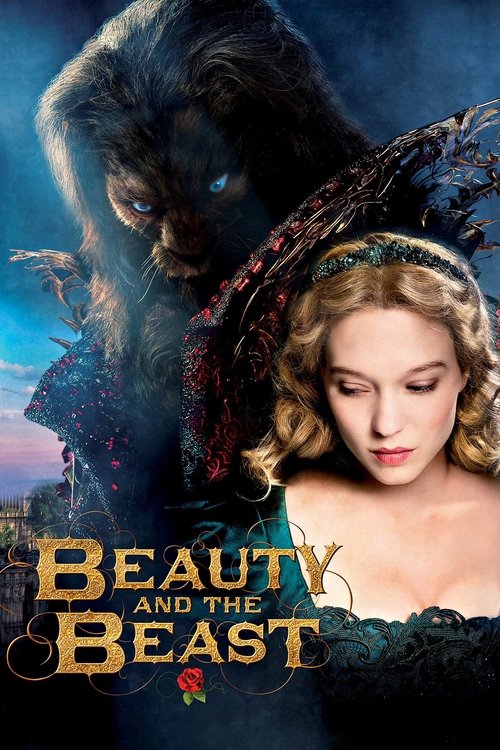
Beauty and the Beast
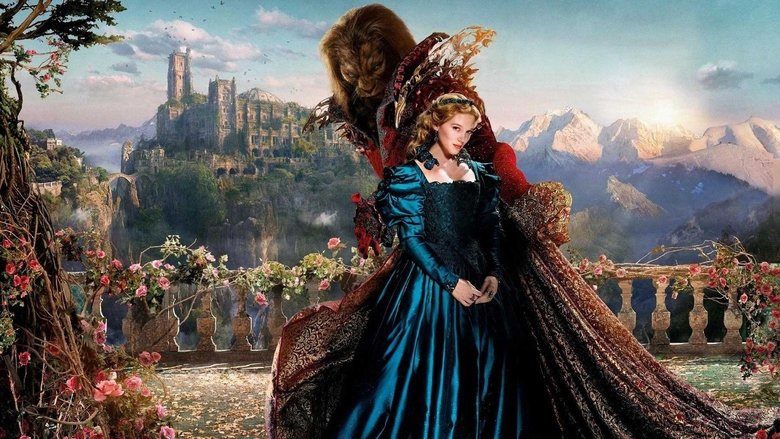
A sumptuous, Gothic dark romantic fable drenched in melancholy and longing, unfolding like an overgrown tapestry of gilded roses, ancient stone titans, and untamed woodland sorcery.
Beauty and the Beast

La Belle et la Bête

"The legend is reborn..."

12 February 2014 France 112 min 6.3 (2,228)

Director: Christophe Gans

Cast: Vincent Cassel, Léa Seydoux, André Dussollier, Eduardo Noriega, Myriam Charleins

Fantasy Romance Nature, Sanctity, and Human Hubris Sacrificial Love vs. Selfish Desire Illusion, Beauty, and Moral Essence Greed, Debt, and Materialism Memory, Guilt, and Redemption
Budget: $33,000,000
Box Office: $47,430,624

Beauty and the Beast — Ending Explained

⚠️ Spoiler Analysis

Through recurring dreams guided by a magical pool, Belle discovers that the Beast was once a human prince married to a gorgeous princess who was actually a forest nymph and daughter of the Forest God. The nymph could turn into a Golden Doe and made him promise never to hunt her. Breaking his vow to satisfy his hunting obsession, the Prince shot the Golden Doe with a golden arrow, only to watch her transform back into his dying wife. The colossal Forest God subsequently cursed the Prince into a beast, turned his hounds into sprites (Tadés), transformed his companions into stone giants, and placed the domain into an eternal magical winter.

When Belle returns home to visit her ailing father, Perducas and Belle's debt-ridden brothers learn of the castle's immense wealth and invade it. The Beast awakens the colossal stone Titans to crush the invaders. Perducas mortally wounds the Beast with the original golden arrow before being consumed by magical briars. Belle and her brothers carry the dying Beast to the glowing spring of life inside the castle, where Belle declares her love, breaking the curse. The Beast turns back into a human, the estate blossoms, and the ending reveals Belle as the storybook narrator living happily on a humble flower farm with the Prince and their children.

Alternative Interpretations

The film can be analyzed through several distinct lenses:

  • Ecological Parable: The film functions as an environmental allegory where the Prince represents predatory industrialization and exploitation of pristine nature, and his curse is the inevitable ecological retribution.
  • Psychological Maturation: Belle's journey symbolizes a young woman's awakening into adulthood, confronting primal masculine energy (the Beast), uncovering the hidden trauma beneath it, and cultivating mature love.
  • The Framing Device Reading: The narrative framing—a mother telling the bedtime story to her two children—reveals at the end that Belle is recounting her own past. The peaceful flower farm where she now lives with the human Prince suggests that true happiness lies in simple, grounded domesticity rather than imperial courts.

Explore More About This Movie

Dive deeper into specific aspects of the movie with our detailed analysis pages

Similar Movies