Boris - Symbolism & Philosophy
Symbols & Motifs
Boris the Goldfish
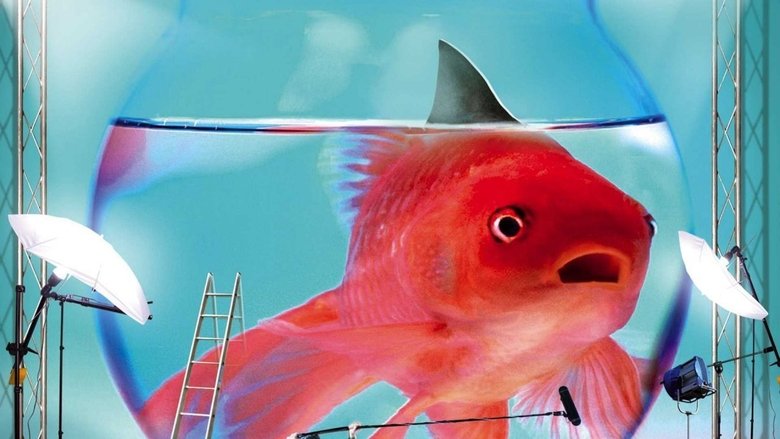
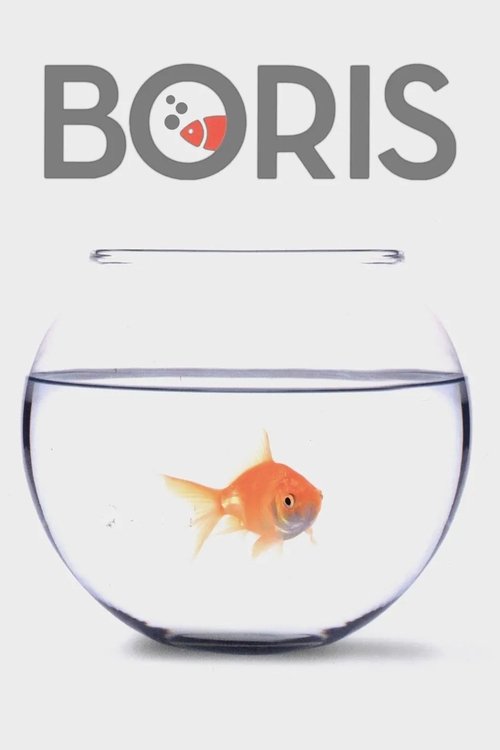
Boris, René Ferretti's goldfish, symbolizes the director's last vestige of conscience and artistic integrity. In a world of constant noise, compromise, and shouting, the silent fish is René's sole confidant, the only one to whom he can vent his frustrations without judgment. It represents a small, fragile piece of purity and patience in an otherwise corrupt and chaotic environment. Boris is the silent witness to the daily creative and ethical failures on set.
René keeps Boris in a bowl on his director's cart throughout the first three seasons. He frequently talks to the fish, especially during moments of high stress or when forced to make a particularly painful artistic compromise. The fish's name was chosen in honor of tennis player Boris Becker.
The Set of 'Gli Occhi del Cuore'
The physical set of the show-within-a-show is a symbol of the entire Italian media machine. It's a place of artifice and illusion, where cheap materials are made to look presentable and poor performances are patched together. It represents a creative purgatory where dreams go to die and mediocrity is manufactured on a daily basis.
The set is the primary location for the first three seasons. The constant technical problems, script changes, and on-set dramas that occur there are the main source of the show's comedy and satire.
Philosophical Questions
Is it possible to maintain artistic integrity within a purely commercial system?
This is the central question of the series. René Ferretti is the embodiment of this struggle. His entire career is a testament to the compromises an artist must make to survive in a commercial television landscape. The show repeatedly demonstrates that the system is not just indifferent to quality, but actively hostile to it. Every attempt René makes to inject artistry—in Season 3 with "Medical Dimension" or in the movie with his political film—is systematically crushed and reverted to a commercially safe, mediocre formula. The series bleakly suggests that true integrity is almost impossible to maintain, and the price of survival is often one's own soul.
Does a dysfunctional work environment inevitably corrupt everyone in it?
The series acts as a case study in workplace conditioning. The character of Alessandro arrives as a pure idealist, but to survive and advance, he must adapt to the prevailing culture of cynicism, compromise, and back-stabbing. By Season 4, he has become a corporate apparatchik himself. The show argues that systems have a powerful, corrupting influence on individuals. Even well-meaning characters are forced to adopt the dysfunctional behaviors of the environment to get by, suggesting that individual morality is difficult to sustain against a tide of systemic rot.
Core Meaning
The core meaning of "Boris" is a sharp, satirical critique of the Italian television industry, which serves as a microcosm for the broader professional and social landscape of Italy itself. The creators aimed to expose the systemic mediocrity, cynicism, cronyism, and the constant, losing battle between artistic integrity and commercial imperatives that defined Italian media.
Through its metanarrative structure—a show about making a show—it deconstructs the reasons behind the poor quality of many productions, revealing a world where passion is extinguished by budget cuts, network interference, and sheer laziness. Ultimately, the series is a tragicomedy about the desire for redemption in a system that rewards conformity and penalizes ambition. It suggests that while "another kind of television is possible," achieving it may be a fool's errand in a culture that has learned to settle for "good enough."