"Call Me by Your Name" is a profound exploration of first love, desire, and self-discovery. Director Luca Guadagnino described the film not as a "gay" movie, but as one about "the beauty of the newborn idea of desire, unbiased and uncynical." The core message is an encouragement to embrace one's feelings fully and without shame, even if they lead to pain and heartbreak. This is most poignantly articulated in the final monologue by Elio's father, who advises his son not to kill his sorrow, as it is intrinsically linked to the joy he experienced. The film celebrates the transformative power of a profound connection, suggesting that such experiences, however fleeting, become an indelible part of who we are. The act of calling each other by their own names signifies a complete merging of identities, a deep understanding and acceptance that transcends the self.

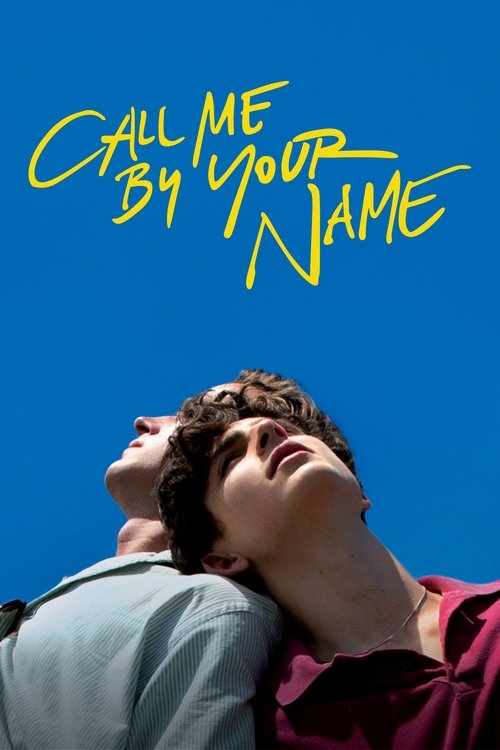
"Is it better to speak or die?"
Director: Luca Guadagnino
Cast: Armie Hammer, Timothée Chalamet, Michael Stuhlbarg, Amira Casar, Esther Garrel
Call Me by Your Name — Symbolism & Philosophy
Symbols & Motifs
The Peach
The peach symbolizes burgeoning sexuality, vulnerability, and the raw, sometimes messy, nature of desire. It represents Elio's uninhibited exploration of his own body and his intense longing for Oliver. When Oliver discovers the peach and eats from it without judgment, it signifies a profound moment of acceptance and the erasure of shame between them.
In a moment of intense sexual frustration and longing after sleeping with Oliver for the first time, Elio masturbates with a peach from his family's orchard. Oliver later finds the peach and, in a gesture of ultimate intimacy and acceptance, begins to eat it.
Star of David Necklace
The Star of David necklace symbolizes Jewish identity, self-acceptance, and the bond between Elio and Oliver. Oliver wears his openly, representing a comfort with his identity that Elio, whose family are "Jews of discretion," initially lacks. Elio's decision to start wearing his own necklace signifies his growing self-acceptance and his deepening connection to Oliver.
Oliver consistently wears a Star of David necklace, which Elio notices early on. Their shared heritage becomes a point of connection. After their relationship begins, Elio starts wearing his own Star of David, a subtle sign of the profound impact Oliver has on him.
Recovered Roman Statue
The fragmented ancient statue represents classical ideals of male beauty, homoerotic love, and the enduring nature of desire across time. Its recovery from the water is a metaphor for the unearthing of Elio and Oliver's own hidden passions. The statue, a beautiful and powerful male form, stands as a timeless affirmation of the love that is blossoming between them.
Elio's father, an archaeologist, takes Elio and Oliver to watch the recovery of a Roman bronze statue from Lake Garda. As the muscular, youthful figure emerges from the water, the three of them marvel at its beauty, a moment that mirrors the burgeoning homoerotic tension between Elio and Oliver.
Music
Music serves as a primary mode of communication and emotional expression for Elio. It is the language through which he initially explores his feelings for Oliver, reinterpreting Bach to both test and flirt with him. The film's score, including the original songs by Sufjan Stevens, articulates the characters' inner emotional states, from yearning and confusion to joy and heartbreak.
Elio is a talented musician, constantly playing piano and transcribing music. In a key scene, he plays a piece by Bach for Oliver, then plays it again in the style of different composers, a clever and intimate form of flirtation. Music is a constant presence, from the diegetic classical pieces to the pop songs of the era and Sufjan Stevens' poignant soundtrack.
Philosophical Questions
Is it better to embrace painful emotions or to numb oneself to avoid suffering?
The film's central philosophical question is explicitly addressed in Mr. Perlman's monologue. He argues passionately against the instinct to "kill" pain and sorrow, suggesting that these feelings are inextricably linked to the joy that caused them. To erase the pain of loss would be to devalue the love that was found. The film explores this through Elio's final scene; instead of cutting away from his grief, the camera holds on his face, forcing the audience to experience it with him. It posits that a full, meaningful life requires embracing the entire spectrum of emotion, and that emotional "bankruptcy" is the result of shutting oneself off from feeling.
What is the nature of identity and connection in profound love?
The film delves into the idea that true love involves a merging of selves. The titular phrase, "Call me by your name and I'll call you by mine," is the ultimate expression of this concept. It's not about losing one's identity, but expanding it to encompass another. Elio and Oliver see the best versions of themselves in each other; they become mirrors and conduits to their own true natures. The film explores how a deep connection with another person can be a catalyst for profound self-discovery and self-acceptance, as seen in Elio's embrace of his Jewish heritage after connecting with Oliver.
Core Meaning
Explore More About This Movie
Dive deeper into specific aspects of the movie with our detailed analysis pages