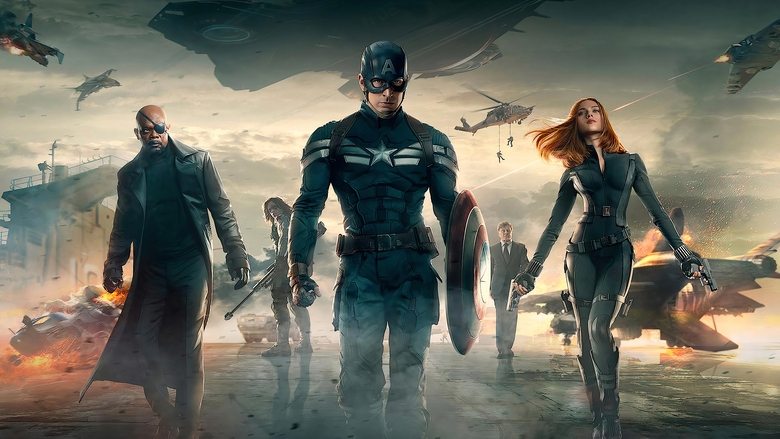
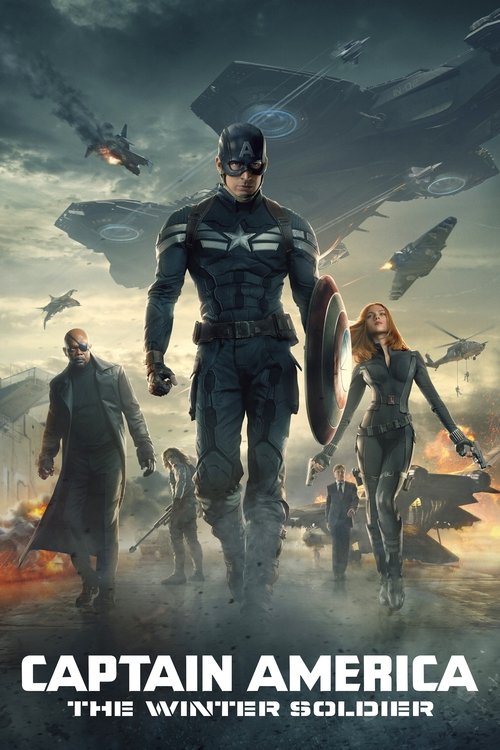
The film's most massive twist is the revelation that S.H.I.E.L.D., the premier peacekeeping organization in the MCU, has been secretly infiltrated and controlled by the fascist terrorist group Hydra since its inception after World War II. This twist fundamentally recontextualizes previous Marvel films, implying that many 'heroic' actions were actually manipulated by Hydra to sow global chaos and manipulate humanity into willingly surrendering its freedom.
Furthermore, the unmasking of the Winter Soldier reveals him to be Bucky Barnes, Steve's childhood best friend believed to have died in 1945. This forces a deeply personal conflict onto Steve's geopolitical struggle. The climax brilliantly intertwines these threads: Steve dismantles the global threat by crashing the helicarriers, but achieves his personal victory by dropping his shield and refusing to fight Bucky. This act of vulnerability is what finally breaks through Bucky's programming, proving that compassion, not superior firepower, is Captain America's greatest weapon.