
Full spoilers follow.
The diagnosis. Pedro's unexpected medical news is a cerebral glioma — a brain tumor — delivered at the exact moment he takes command of the high-end restaurant he has spent his career pursuing. The structural joke is cruel and deliberate: the film gives him everything he wanted in the same beat it takes away the future in which he could enjoy it.
Léo. Pedro's friendship with Léo (Bruno Vinicius), a fellow cancer patient, is the film's anti-sentimental anchor. Léo refuses the inspirational-patient role and meets the situation with humor, giving Pedro a model for facing mortality without solemnity — and giving the film permission to be funny inside a hospital.
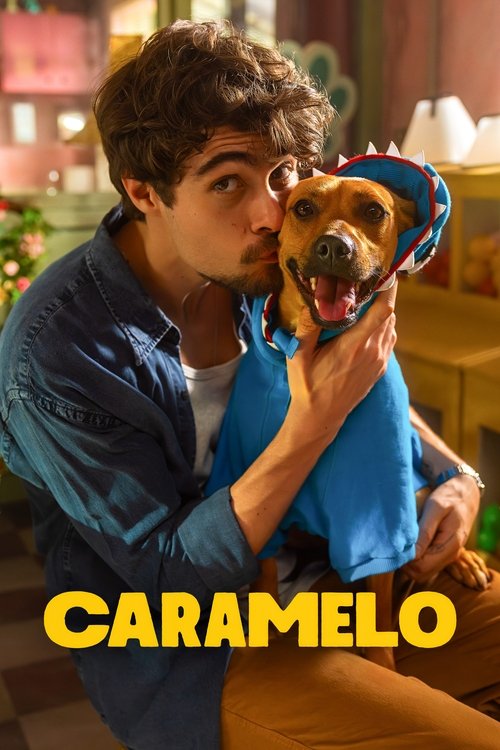
The question everyone asks: does the dog die? No. This was the dominant audience anxiety going in, and the film resolves it in the audience's favor: both protagonists end the story alive and well. The narrative closes not on a deathbed but on a long passage of time showing how their partnership unfolded.
The real twist: there is no cure. The genuinely interesting turn is that the film withholds the miracle. The feared fatal outcome does not materialize — but neither does total remission. The tumor never disappears. Pedro learns to live with it, and the suffering that once defined his journey is converted into motivation. This is the hinge on which the whole film pivots from cure narrative to coexistence narrative, and it retroactively reframes everything before it: the story was never about whether he would be saved, but about whether he could live without that guarantee.
The epilogue. The film leaps forward roughly twelve years. Montage reveals that Pedro progressed professionally, stayed with Camila, and had a daughter with her — a whole life built in the shadow of an unresolved diagnosis. Over this, he names what he gained: "Respirar... Sentir... Viver." Breathing, feeling, living. The three verbs are the entire moral of the film, and their smallness is the point. A man who once measured himself by mastery and recognition ends by counting involuntary acts as the whole of his fortune.
What only becomes clear afterward. Caramelo is not a plot device that dies to teach a lesson — the genre's standard move — and his survival is the film's quiet argument. Because the dog lives, the lesson cannot be about sacrifice; it has to be about ongoing, unglamorous companionship. Likewise, the persistence of the tumor means Pedro's transformation cannot be validated by a clean bill of health; it can only be validated by how he spends the twelve years. And the caramel mongrel's meaning clicks fully into place at the end: a creature with no pedigree, no plan and no guarantees, thriving anyway, is exactly what Pedro has become.