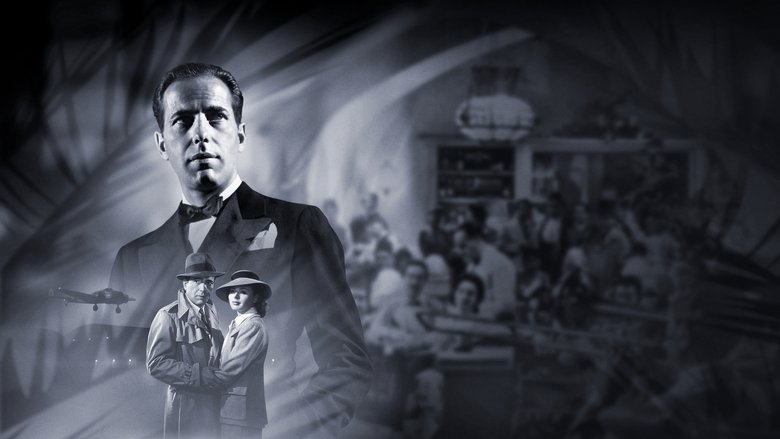
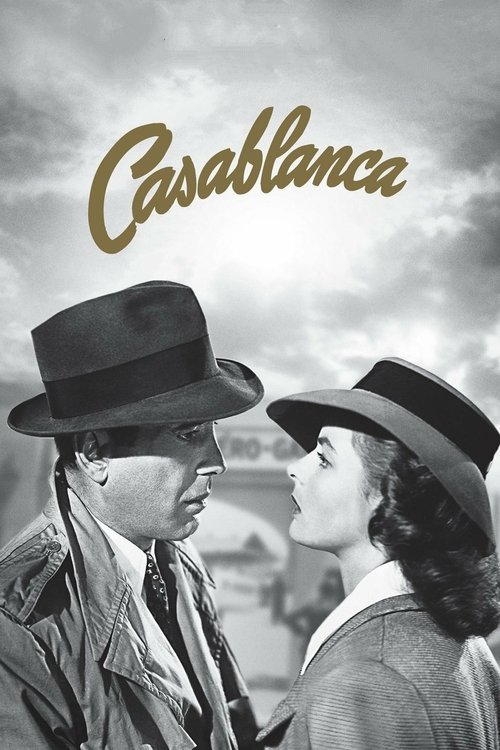
The climax of "Casablanca" takes place at the airport. Rick has led both Ilsa and Captain Renault to believe that he will use the letters of transit to escape with Ilsa, leaving Victor Laszlo to be arrested. However, at the last moment, Rick's true plan is revealed. He forces Renault at gunpoint to fill in the letters with Victor and Ilsa's names. He then explains to a heartbroken Ilsa that she must leave with her husband, arguing that she is essential to Victor's work and that if she stayed with him, she would regret it for the rest of her life.
As Ilsa and Victor board the plane, the Nazi Major Strasser arrives, having been tipped off by Renault. When Strasser tries to intervene, Rick shoots and kills him. In a final twist, Captain Renault, instead of arresting Rick, tells his men to "round up the usual suspects," effectively covering for Rick and siding with him against the Nazis. The film ends with Rick and Renault walking off into the fog, with Rick delivering the iconic line, "Louis, I think this is the beginning of a beautiful friendship." This ending solidifies Rick's transformation from a cynical isolationist to a committed hero, sacrificing his own love for the greater good of the war effort. It also reveals Renault's hidden moral core, as he too chooses to join the fight.