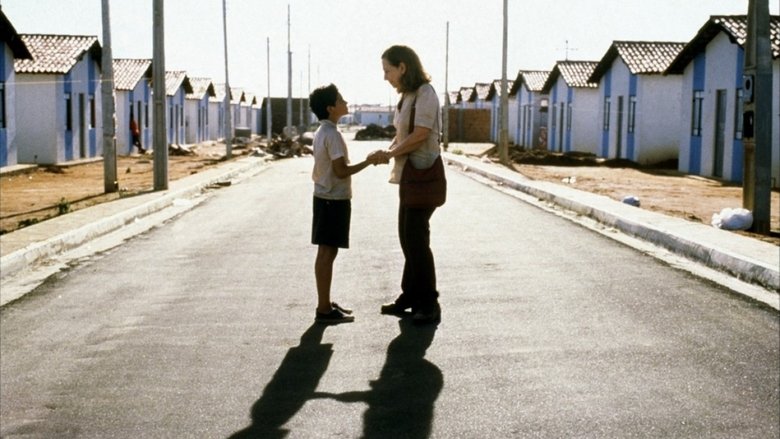
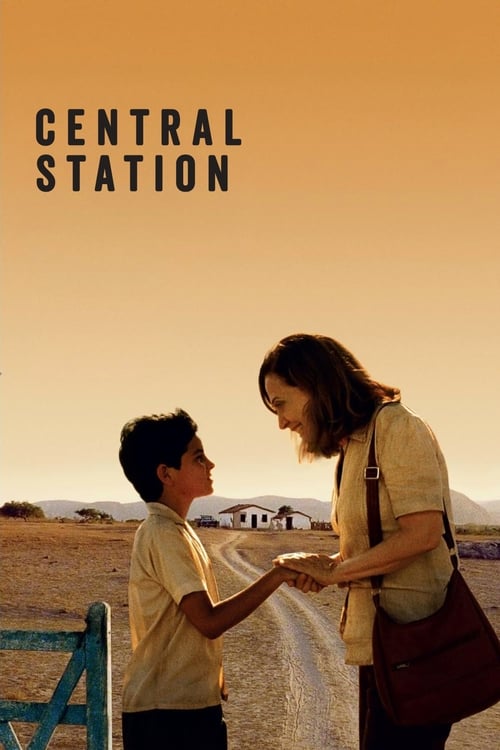
The narrative of "Central Station" hinges on Dora's complete moral and emotional transformation, which is only fully realized at the film's conclusion. After a long and arduous journey, Dora and Josué arrive at the settlement where his father, Jesus, is supposed to live. They discover the address is an empty lot, a devastating moment of hopelessness. However, Josué's half-brother, Isaías, spots them and, realizing who they are, brings them to his home where they meet the other brother, Moisés.
The crucial revelation comes when Isaías explains their history. Their father, Jesus, had married Josué's mother, Ana, after their own mother died. Ana left him nine years prior while pregnant with Josué and never returned. The true twist is in a letter the father wrote six months ago before he himself left: he had gone to Rio to find Ana and the son he never met, promising to return so they could all be a family. The tragic irony is that Josué and his father were simultaneously searching for each other, and likely passed each other unknowingly. The father figure Josué so desperately sought remains absent, but the quest was not in vain, as it led him to a home and two brothers.
Having fulfilled her promise, Dora's redemption is complete. Understanding that Josué is now safe and has a family, she makes the painful, selfless decision to leave without saying goodbye. She slips away in the early morning, boarding a bus back to Rio. In a final, heart-wrenching scene, she writes a letter to Josué, finally expressing her love for him and revealing her own unresolved pain over missing her own father. She leaves behind the photo they took together and the un-mailed letters from Josué's mother, finally allowing communication and connection to be completed. The ending is bittersweet; the two protagonists who have come to love each other are permanently separated, but both have been saved. Josué has found a home, and Dora has rediscovered her heart.