The plot culminates years after the first part. Garance returns to Paris, having been the mistress of the wealthy Count de Montray. Baptiste is now a famous mime, but is unhappily married to Nathalie (María Casares), with whom he has a son. Frédérick has also become a star of the legitimate stage. All four of Garance's suitors converge again.
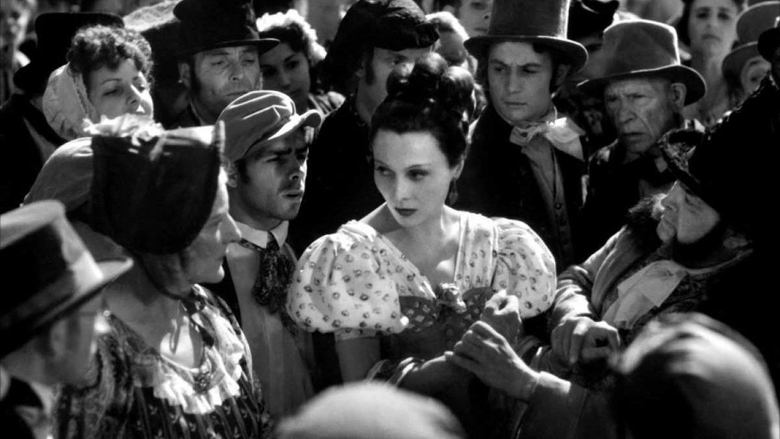
Garance secretly attends Baptiste's performances every night, and they finally meet again. They confess their enduring love and spend one perfect night together. However, the next morning, a distraught Nathalie confronts them. As Nathalie pleads with Baptiste, Garance quietly leaves, sacrificing her happiness to avoid destroying his family. Baptiste, realizing she is gone, runs out to find her. Her carriage is pulling away into the thick, chaotic throng of a carnival on the Boulevard du Crime. Baptiste desperately tries to push through the sea of anonymous, celebrating clowns and revelers, calling her name, but he is swept back by the indifferent crowd. He is completely swallowed by the masses, unable to reach her. The film ends with Garance's impassive face in her carriage as it disappears, and Baptiste lost and defeated, forever separated from his one true love by the unstoppable force of life itself. The ending solidifies the film's core theme of fatalism: despite the purity and power of their love, circumstance and fate make it impossible for them to be together.