Cléo de 5 à 7
"The whole world... has made an appointment with..."
Cléo from 5 to 7 - Ending Explained
⚠️ Spoiler Analysis
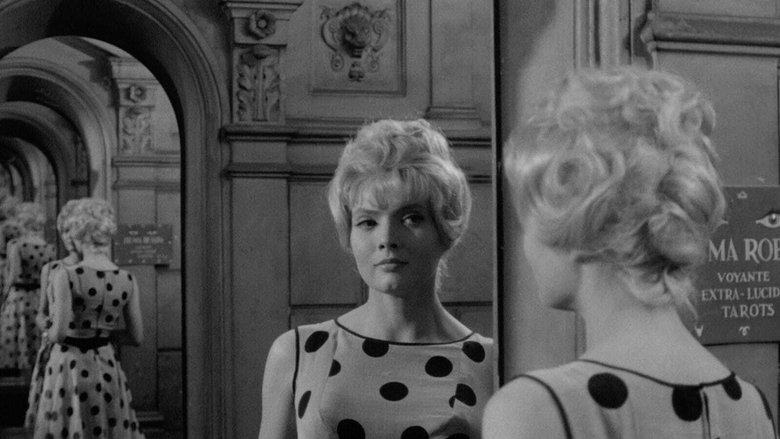
The entire film builds tension around the 6:30 PM biopsy results. Throughout the movie, Cléo operates under the agonizing assumption that she is terminally ill, a fear validated by the "Death" tarot card in the opening sequence. In the final act, Cléo meets Antoine, a soldier on leave, who accompanies her to the hospital.
The twist arrives not in a dramatic, tear-filled revelation, but in a shockingly casual drive-by diagnosis. Her doctor hastily informs her from a moving car that she does indeed have cancer, but he dismisses her concerns, stating she just needs two months of radiation therapy and will be fine. Rather than collapsing in despair at the confirmation of her illness, Cléo turns to Antoine and says she is no longer afraid and feels happy.
The hidden meaning of the ending is that the suspense and the paralyzing fear of the unknown were worse than the reality of the illness. Furthermore, the fortune teller's reading was accurate: the "Death" card did not mean physical death, but rather the death of Cléo's vain, superficial self. She has undergone a complete existential transformation, ready to face whatever time she has left with authenticity.
Alternative Interpretations
The Algerian War Allegory: Many critics interpret Cléo's journey as an allegory for France itself during the Algerian War. Cléo's initial vanity, self-absorption, and willful ignorance of anything ugly represent the French public's detachment from the brutal realities of the conflict. Her eventual awakening and connection with Antoine (a soldier returning to the war) symbolizes the nation being forced to confront the grim realities it had been ignoring.
The Meaning of the Ending: The film's ending has sparked debate. The doctor nonchalantly confirms Cléo has cancer but insists she will be fine with two months of radiation. Some view this as a tragic ending where Cléo is doomed, with the doctor exhibiting the very male dismissiveness she has suffered from all day. Conversely, the more accepted feminist and existential reading suggests the exact medical prognosis is irrelevant. Cléo's declaration that she is "happy" means she has conquered her fear of the unknown; by accepting her mortality, she is finally free to live authentically.