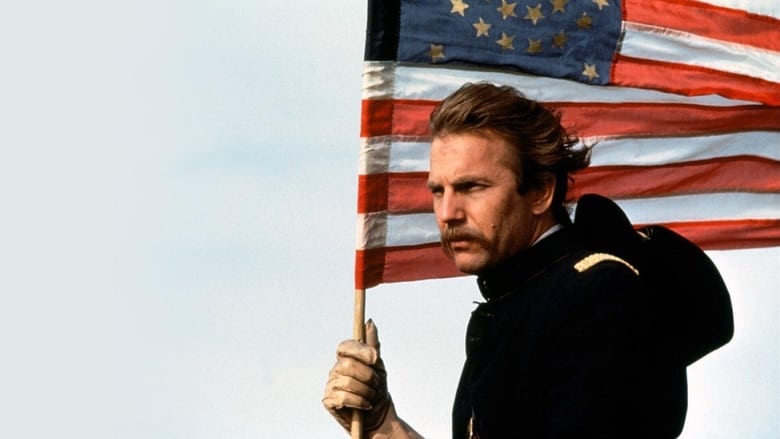
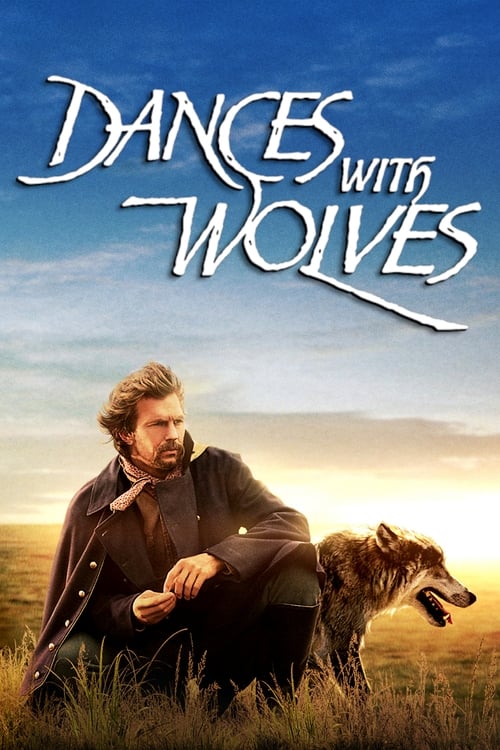
The narrative of Dances with Wolves culminates in John Dunbar fully integrating into the Lakota tribe, marrying Stands With a Fist and becoming a respected member named Dances With Wolves. The critical turning point occurs when he decides to retrieve his journal from Fort Sedgwick before the tribe moves to its winter camp, fearing it could be used by the army to track them. Upon arriving, he finds the fort has been reoccupied by U.S. troops. Because of his Sioux attire, he is mistaken for a native and his horse, Cisco, is shot.
The soldiers capture him and, upon discovering he is a lieutenant, brand him a traitor for having "gone native." During his transport to be hanged, the soldiers senselessly shoot and kill the wolf Two Socks, who had followed the convoy. This cruel act precipitates an ambush by a Lakota war party led by Wind In His Hair, who rescue Dunbar and kill the soldiers. Back at the winter camp, Dunbar realizes that his continued presence will make the tribe a target for the vengeful U.S. Army. In a selfless act to protect them, he decides that he and Stands With A Fist must leave. The hidden meaning is that even full acceptance and assimilation cannot protect the Lakota from the inevitable, destructive advance of white expansion; Dunbar's presence has become a liability rather than a salvation. The film's poignant ending sees Dunbar leaving the only true family he has ever known, with Wind In His Hair crying out his friendship from a distant bluff. An epilogue text soberly states that thirteen years later, the last of the free Sioux submitted to white authority, confirming that Dunbar's personal journey, while profound, could not alter the tragic course of history for his adopted people.