"Inside everyone is a frontier waiting to be discovered."
Director: Kevin Costner
Cast: Kevin Costner, Mary McDonnell, Graham Greene, Rodney A. Grant, Floyd "Red Crow" Westerman
Dances with Wolves — Movie Quotes
Memorable Quotes
My name is Dances with Wolves. I have nothing to say to you. You are not worth talking to.
Context
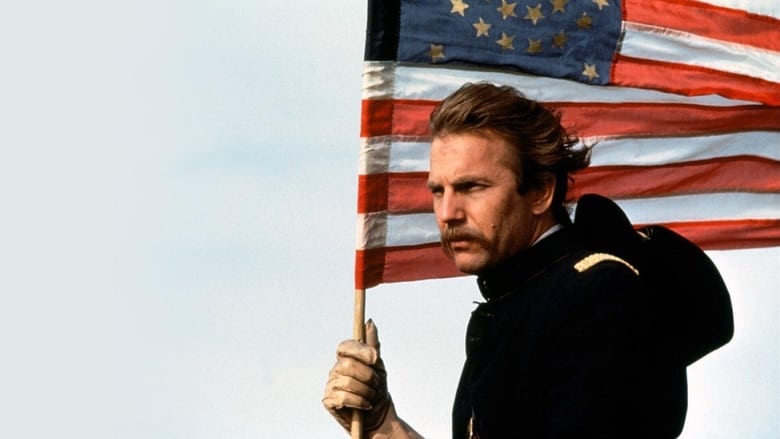
After being captured at the reoccupied Fort Sedgwick, Dunbar is interrogated and beaten. When demanded to act as a translator, he defiantly responds in the language of his chosen people, completely rejecting his former life and affirming his new identity.
Meaning
This line, spoken in Lakota to his U.S. Army captors, marks the final and complete transformation of his identity. He no longer sees himself as John Dunbar and refuses to acknowledge the authority or legitimacy of the men who now hold him prisoner, defining them as his enemies.
Dances With Wolves! I am Wind In His Hair. Do you see that I am your friend? Can you see that you will always be my friend?
Context
As Dunbar and Stands With A Fist depart from the Sioux winter camp to protect the tribe, Wind In His Hair rides to a high ridge and shouts this farewell across the valley, ensuring his friend knows their bond is unbreakable despite the separation.
Meaning
This quote is a powerful declaration of unwavering loyalty and brotherhood that transcends cultural boundaries. It encapsulates the deep bond formed between the two men and serves as the emotional climax of their relationship, from suspicion to profound friendship.
I was just thinking that of all the trails in this life, there are some that matter most. It is the trail of a true human being. I think you are on this trail, and it is good to see.
Context
Spoken to Dunbar as they share a quiet moment before Dunbar departs from the tribe at the end of the film. It is a moment of fatherly approval and mutual respect between the two men.
Meaning
This is Kicking Bird's highest praise and final blessing for Dunbar. He is not just accepting Dunbar as a member of the tribe, but acknowledging his fundamental decency and honor as a person. It speaks to the film's core theme that character and humanity are universal virtues.
They were a people so eager to laugh, so devoted to family, so dedicated to each other. The only word that comes to mind is harmony.
Context
This is part of Dunbar's journal entry narration, reflecting on his time living with the Lakota people. It shows how his firsthand experience has completely overturned the ignorant stereotypes he was taught.
Meaning
This narration summarizes Dunbar's ultimate understanding of the Sioux society. It directly counters the prejudiced view of Native Americans as savage, instead portraying them as a community built on positive human values, living in balance with each other and their environment.
Explore More About This Movie
Dive deeper into specific aspects of the movie with our detailed analysis pages