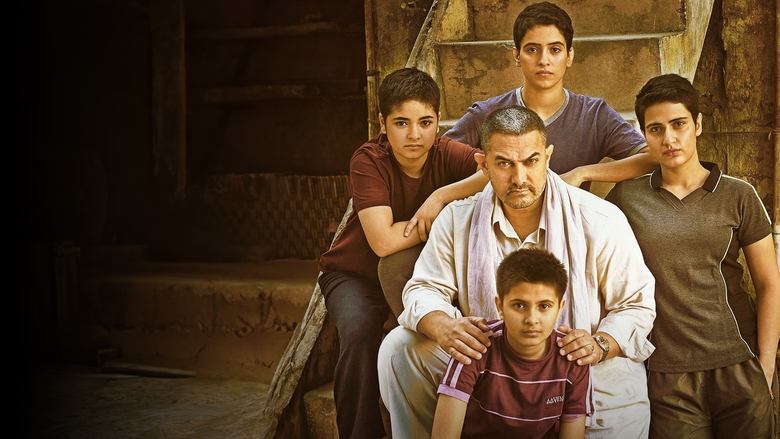
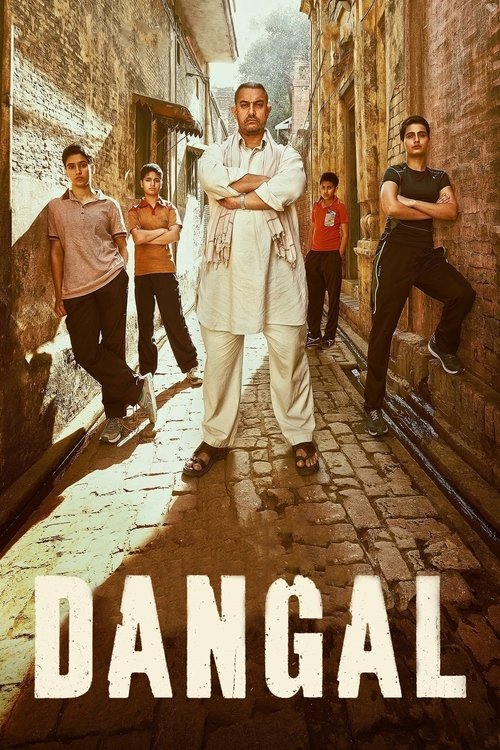
The narrative of "Dangal" builds towards Geeta Phogat's participation in the 2010 Commonwealth Games. A key plot turn occurs when Geeta moves to the National Sports Academy (NSA) in Patiala. There, she falls under the influence of a new coach, Pramod Kadam, whose techniques directly contradict her father's. Geeta embraces a new lifestyle, grows her hair long, and starts losing matches due to her disregard for her father's foundational training. This leads to a heart-wrenching physical fight between father and daughter, which an exhausted Mahavir loses. This defeat is a pivotal moment, symbolizing the temporary severing of their bond and Geeta's lowest point.
The climax revolves around the Commonwealth Games final. The fictional NSA coach, driven by ego, maliciously locks Mahavir in a closet just before the final match, leaving Geeta without her mentor at the most crucial moment. Forced to rely on herself, Geeta recalls her father's key advice and techniques. The final bout is a tense showdown where she is losing. In the final seconds, she needs a 5-point throw to win—a high-risk move her father taught her. She successfully executes it, winning the gold medal for India. The ending's hidden meaning is that while Mahavir gave her the tools to fight, her ultimate victory was her own. She had to win the battle alone, proving she had truly internalized his teachings and become her own champion. The film ends with a powerful, emotional moment where the Indian national anthem plays, and Mahavir, having been freed, watches with tears of pride, his dream finally realized through his daughter.