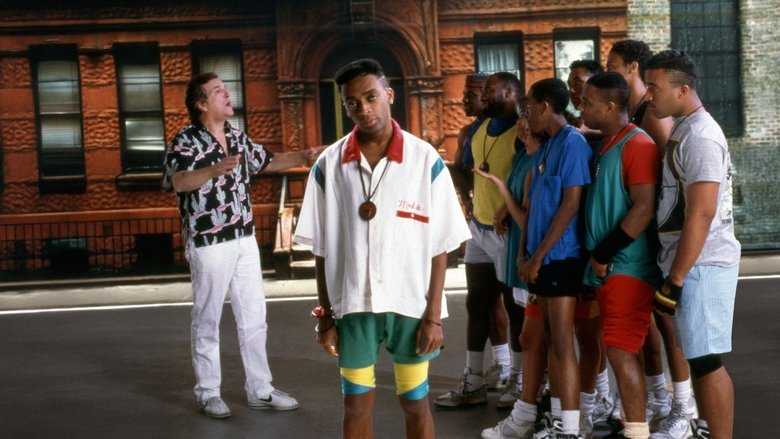
The slow-building tension explodes when Sal, frustrated by the noise, smashes Radio Raheem's boombox with a bat. Raheem attacks Sal, and the fight spills into the street. Police arrive and put Raheem in a chokehold, killing him while the neighborhood watches in horror. The cops flee with the body. The crowd turns on Sal and his sons. Mookie, who has been a passive observer, walks to a trash can and hurls it through the pizzeria window, shouting "Hate!" This incites the crowd to loot and burn down the building. Smiley pins a photo of Malcolm X and MLK Jr. on the burning wall. The next day, Mookie demands his pay from a distraught Sal. They argue but reach a tentative, uneasy truce. The film ends with a dedication to victims of police brutality.
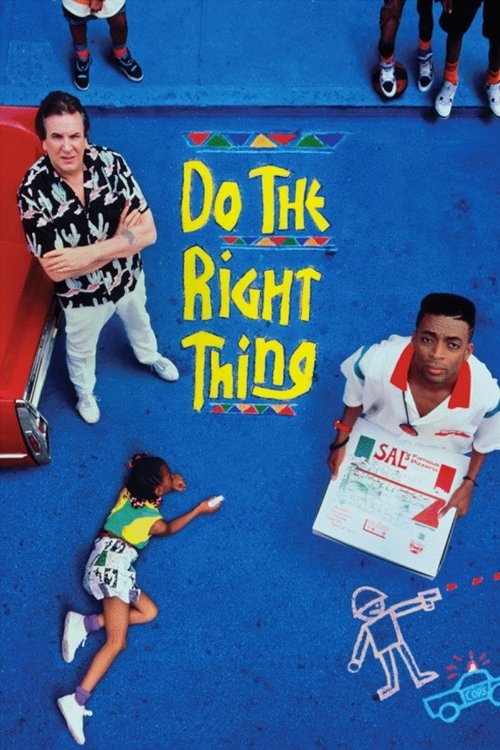
"It's the hottest day of the summer. You can do nothing, you can do something, or you can..."
Director: Spike Lee
Cast: Danny Aiello, Ossie Davis, Ruby Dee, Richard Edson, Giancarlo Esposito
Do the Right Thing — Ending Explained
⚠️ Spoiler Analysis
Alternative Interpretations
The most debated action is Mookie throwing the trash can.
1. The 'Safety Valve' Theory: Some interpret Mookie's action as a calculated move to save Sal and his sons. By directing the mob's anger toward the property (the window), he diverted them from attacking the people (Sal, Pino, Vito), potentially saving their lives.
2. The Act of Radicalization: Others see it as Mookie finally abandoning his neutral stance and joining his community in a rightful expression of rage against the system that killed Raheem.
3. The Malcolm X vs. King Dialectic: The film ends with quotes from both leaders. The ending suggests that while violence is not 'good' (King), it may be 'intelligent' in self-defense (Malcolm X), leaving the viewer to wrestle with the contradiction.
Explore More About This Movie
Dive deeper into specific aspects of the movie with our detailed analysis pages