Skip to content
Doctors
A vibrant medical romance wrapped in warm, sunlit nostalgia, capturing the tender ache of past trauma transforming into steadfast love—like a delicate surgical incision slowly mending beneath gentle rain.
Doctors

Doctors

닥터스

"From hopeless delinquent to compassionate doctor."

20 June 2016 — 23 August 2016 South Korea 1 season 20 episode Ended 8.1 (331)

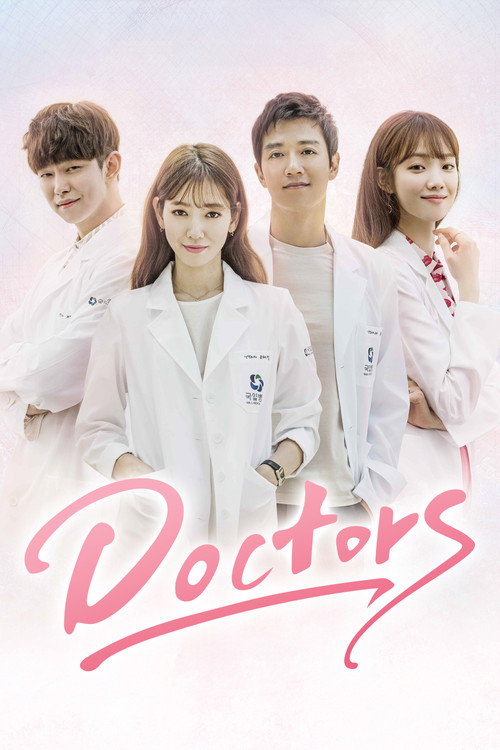
Cast: Kim Rae-won, Park Shin-hye, Yoon Kyun-sang, Lee Sung-kyoung, Kim Min-seok

Drama Comedy Mentorship, Personal Growth & Self-Actualization Medical Ethics, Malpractice & Accountability vs. Closure The Interplay of Love, Vulnerability & Emotional Healing Professional Jealousy, Privilege & Unhealthy Rivalry

Overview

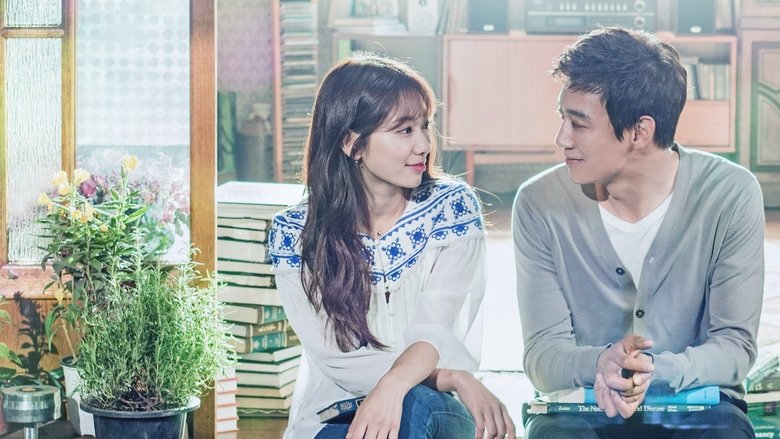
Doctors (also internationally marketed as Doctor Crush) is a 20-episode South Korean television drama created by writer Ha Myung-hee and director Oh Choong-hwan, produced by Pan Entertainment and aired on SBS in 2016. The narrative follows the life and maturation of Yoo Hye-jung, an alienated, defiant teenager from a broken family who is abandoned by her father and left in the care of her loving grandmother. Hye-jung's cynical outlook begins to shift when she crosses paths with Hong Ji-hong, an ex-surgeon working as a high school biology teacher who rents a room from her grandmother. Under his patient mentorship and the unconditional warmth of her grandmother, Hye-jung discovers her intellectual drive and resolves to turn her life around.

The show spans a thirteen-year chronological leap following a devastating personal tragedy and a high school scandal that forcibly tears the characters apart. When Hye-jung resurfaces in the present, she has transformed into an extraordinarily skilled, street-smart neurosurgery fellow at Gookil Medical Center. There, she re-encounters Ji-hong—now a renowned professor and neurosurgeon—alongside former classmate Jin Seo-woo and rival surgeon Jung Yoon-do. Within the demanding hospital wards, the story charts not only high-stakes neurosurgeries and interpersonal rivalries, but also the arduous process of mending long-festering psychological wounds.

Balancing procedural episodic medical cases with an overarching search for truth and accountability, Doctors avoids grim melodrama in favor of an uplifting, humanistic portrayal of healing. It emphasizes the importance of emotional growth, professional ethics, and mutual trust over petty hospital politics, showing how human connection can salvage lives from despair.


Core Meaning

The central message of Doctors is that genuine human healing cannot occur through technical medical interventions or vengeful retribution alone; it demands personal forgiveness, vulnerability, and compassionate companionship. The creators illustrate that individuals are not permanently condemned by the trauma or neglect of their upbringing. When supported by empathetic mentors and unconditional love, one can break cycles of cynicism and self-destruction, learning that true strength lies in opening oneself up to trust and allowing others to share life’s burdens.

Thematic DNA

Mentorship, Personal Growth & Self-Actualization 30%
Medical Ethics, Malpractice & Accountability vs. Closure 25%
The Interplay of Love, Vulnerability & Emotional Healing 25%
Professional Jealousy, Privilege & Unhealthy Rivalry 20%

Mentorship, Personal Growth & Self-Actualization

The series explores how positive guidance can reshape a trajectory. From Ji-hong helping Hye-jung channel her rebellious energy into academic ambition, to Hye-jung guiding younger residents like Choi Kang-soo, mentorship is framed as a reciprocal, life-saving gift.

Medical Ethics, Malpractice & Accountability vs. Closure

Hye-jung's career at Gookil Hospital is driven by uncovering the truth behind her grandmother's fatal surgery. The show examines the systemic suppression of medical errors, hospital greed, and the difficult transition from seeking destructive vengeance to seeking truth and spiritual closure.

The Interplay of Love, Vulnerability & Emotional Healing

Romance in Doctors is depicted as a tool for emotional maturation. Hye-jung must unlearn her defensive self-reliance and learn to depend on someone else, while Ji-hong must overcome his habit of solitary decision-making to build a truly equal partnership.

Professional Jealousy, Privilege & Unhealthy Rivalry

Exemplified through Jin Seo-woo, the drama contrasts self-made resilience with inherited privilege. It examines how comparison, fear of failure, and parental pressure breed insecurity, and shows that peace only arrives when one abandons victimhood and accepts one's authentic self.

Character Analysis

Yoo Hye-jung

Park Shin-hye

Archetype: The Resilient Heroine / Reformed Outcast Key Trait: Fierce tenacity and uncompromising directness

Motivation

Initially driven by basic survival, shifts to an obsession with avenging her grandmother's death, and ultimately matures into saving lives with pure medical dedication.

Character Arc

Begins as a hostile, combative delinquent abandoned by family, overcomes poverty through intense self-discipline, becomes an elite neurosurgeon obsessed with uncovering malpractice, and finally evolves into a compassionate doctor capable of genuine forgiveness.

Hong Ji-hong

Kim Rae-won

Archetype: The Benevolent Mentor / Grounding Anchor Key Trait: Warmth, calm authority, and persistent optimism

Motivation

Desires to protect and nurture Hye-jung and his patients, evolving from an overprotective guardian into an open, collaborative partner.

Character Arc

Once a traumatized surgeon who stepped away from practice due to a surgical failure, he rediscovers his purpose by mentoring others, returns to medicine as an esteemed professor, and learns to be emotionally vulnerable rather than bearing every burden in secret.

All 5 characters and cast

Symbols & Motifs

The Stethoscope and Medical Scalpel

Meaning:

Represent dual instruments of power and care. For Hye-jung, the scalpel is initially an instrument of restitution and pride, but over time becomes a sacred responsibility used solely to preserve life regardless of personal animosity.

Context:

Employed during intense neurosurgical procedures and Hye-jung's professional evolution from an aggressive seeker of revenge to an ethical healer.

The Rain and Raindance

Meaning:

Represents sudden emotional awakenings, cleansing old pain, and letting go of rigid inhibitions.

Context:

Recurring across pivotal moments, such as their shared shelter during a high school downpour and their spontaneous dance in a phone booth.

The Rooftop Helipad

Meaning:

A liminal space symbolizing elevated clarity away from the hospital's ground-level chaos.

Context:

Serves as the arena for critical transitions, from the dramatic adult reunion between Ji-hong and Hye-jung to private romantic confessions.

Grandmother's Casserole/Gukbap (Food of Care)

Meaning:

Embodies maternal unconditional love and stands as Hye-jung's emotional anchor and moral baseline for remembering human warmth over material status.

Context:

Featured in Kang Mal-soon's kitchen and remembered throughout Hye-jung's adulthood as a source of emotional sustenance.

Boxing Ring / Physical Martial Arts

Meaning:

Symbolizes Hye-jung's external armor against a hostile world—a defense mechanism that softens into professional discipline as she heals.

Context:

Highlighted in Hye-jung's high school fights, emergency room skirmishes, and playful sparring sessions with Ji-hong.

Memorable Quotes

결혼했니? 애인 있어? 됐다, 그럼.
— Hong Ji-hong

Context

Spoken to Yoo Hye-jung on the Gookil Medical Center helipad upon his return to Korea in Episode 4.

Meaning

Stepping off the hospital rooftop helicopter after a 13-year separation, Ji-hong immediately cuts through conventional small talk, establishing his persistent feelings and resetting their dynamic from mentor-student to two adult peers.

성공하고 나니까 성공이 과거를 보상해 주진 못하더라.
— Yoo Hye-jung

Context

Spoken by Hye-jung while reflecting on her journey and lingering unresolved grief in Episode 6.

Meaning

Captures the core realization of the drama: achieving status and professional mastery does not automatically heal the psychological scars of abandonment or grief without confronting the root emotional pain.

All 3 quotes

Episode Highlights

Pilot / The Genesis of Hye-jung

S1E1

Introduces Hye-jung's turbulent teenage life, her father's abandonment, her move to her grandmother’s house, and her initial chaotic meeting with Ji-hong, ending with an opening flash-forward showing her emergency room confrontation.

Significance:

Establishes Hye-jung's defensive nature, traumatic background, and the core relationships that spark her transformation.

The Fatal Turning Point

S1E3

Kang Mal-soon undergoes surgery under Dr. Jin Myung-hoon and dies due to surgical complications. A fabricated scandal orchestrated by Seo-woo forces Ji-hong to resign and leaves Hye-jung heartbroken and isolated.

Significance:

Serves as the catalyst for the narrative's 13-year time jump and instills Hye-jung's driving motivation to become a neurosurgeon and seek the truth.

The Helipad Reunion

S1E4

Adult Hye-jung arrives at Gookil Hospital and reconnects with Ji-hong atop the hospital helipad in a pivotal romantic re-entry sequence.

Significance:

Re-establishes the central dynamic between Hye-jung and Ji-hong as adult professional colleagues and sets up the hospital workplace narrative.

Dancing in the Rain

S1E6

Ji-hong and Hye-jung share a playful dance inside a telephone booth during a sudden rain shower, culminating in their first adult kiss.

Significance:

Solidifies their romantic bond and marks a crucial moment where Hye-jung begins to let down her emotional defenses.

The Stalker Emergency & Emotional Confession

S1E12

In a harrowing guest arc involving a paralyzed patient and a predatory stalker, Ji-hong and Hye-jung confront their communication issues and reconcile their relationship terms.

Significance:

Forces the lead couple to transition into an emotionally equal partnership by addressing Ji-hong's habit of solitary burden-bearing.

Nam Ba-ram's Heartbreaking Case

S1E14

A single father struggles with his sons' medical bills, pushing him to the brink of suicide until Hye-jung intervenes.

Significance:

Highlights structural healthcare inequalities while exemplifying Hye-jung's growing role as an empathetic, humanistic caregiver.

Kang-soo's Surgery & Sacrifice

S1E17

Resident Choi Kang-soo undergoes brain surgery for his meningioma, shaving his head in an emotional sequence that pulls the neurosurgical department together.

Significance:

Bridges the divide between doctors and patients, fostering profound empathy across the entire surgical team.

Series Finale / Reconciliation

S1E20

Dr. Jin Myung-hoon develops an intricate neck tumor requiring Ji-hong and Hye-jung to operate. Hye-jung saves his life, receives a sincere apology, and accepts Ji-hong's marriage proposal in a flower petal garden.

Significance:

Brings full closure to the malpractice conflict, reconciles long-standing rivalries, and cements the romantic and professional journey of the leads.

Philosophical Questions

Can Professional Ethics Supersede Personal Hatred?

Explored when Hye-jung must decide whether to save the life of Dr. Jin Myung-hoon, the very man who botched her grandmother's surgery and covered it up.

Where Is the Line Between Justice and Self-Destructive Vengeance?

Examines whether uncovering past medical negligence brings genuine peace or merely traps the seeker in unending bitterness.

What Constitutes True Repentance?

Probes whether institutional power and systemic corruption can ever genuinely apologize to victims without being forced by external catastrophe.

Alternative Interpretations

The narrative can be analyzed through several distinct lenses:

Full ending explanation

Cultural Impact

Doctors arrived during the 2016 golden age of Hallyu prime-time dramas, airing alongside heavyweight hits like Descendants of the Sun and Signal. Unlike the overtly political or high-adrenaline medical dramas of that era, Doctors leaned heavily into a character-driven 'human romance' format. It significantly elevated Park Shin-hye’s status by subverting the traditional 'Cinderella/damsel in distress' trope into a physically assertive, professionally capable female lead.

The drama proved immensely influential across Southeast Asia and Latin America, reinforcing the commercial viability of blending specialized medical procedures with accessible workplace romantic comedy.

Audience Reception

The series received strong overall praise from domestic and international audiences:

  • Acting & Chemistry: Viewers and critics lauded the charismatic performances of Kim Rae-won and Park Shin-hye, as well as deeply moving patient sub-arcs featuring high-profile cameos.
  • Pacing & Tone: The pilot and opening backstory episodes (Episodes 1–6) received high acclaim for high production values and rapid pacing.
  • Criticisms: The mid-series received criticism regarding repetitive hospital board politics, a slight softening of Hye-jung's initial feisty edge, and the ethically controversial teacher-student origins of the main romance.

Interesting Facts

  • Park Shin-hye performed nearly all of her high-kick and martial arts action sequences in Episode 1 and subsequent scenes herself without a stunt double, training at an action academy prior to filming.
  • For his character's tumor surgery scene in Episode 17, Kim Min-seok actually shaved his head on camera, receiving widespread acclaim for his dedication to the role.
  • The drama was a massive ratings success in South Korea, starting at 12.9% and peaking at an impressive 21.3% nationwide (averaging 18.4%), dominating its Monday-Tuesday prime-time slot on SBS.
  • Director Oh Choong-hwan consolidated his status as a premier K-drama director with this series, later directing other mega-hits like While You Were Sleeping (2017), Hotel Del Luna (2019), Start-Up (2020), and Castaway Diva (2023).
  • The series was officially adapted into the popular Turkish television drama Kalp Atışı (Heartbeat), which aired from 2017 to 2018.

Easter Eggs

Namkoong Min's Emotional Cameo (Episodes 13–15)

Namkoong Min made a memorable guest appearance as Nam Ba-ram, an impoverished delivery driver raising two young sons needing brain surgery, drawing widespread praise for his grounded, tear-jerking performance.

Han Hye-jin & Jo Dal-hwan Arc (Episodes 11–12)

Han Hye-jin made a special appearance as a 'locked-in' patient unable to speak or move, while Jo Dal-hwan played her obsessive stalker masquerading as her devoted husband—a chilling domestic thriller sub-plot inside a medical drama.

Lim Ji-yeon as Archery Gold Medalist (Episodes 7–8)

Lim Ji-yeon appeared as an Olympic champion archer suffering from essential tremors, receiving awake brain surgery performed by Ji-hong and Hye-jung.

Lee Ki-woo as the Gangster Boss (Episodes 1, 3–6, 9)

Lee Ki-woo played the wounded crime boss who develops immense respect for Hye-jung after she treats him and his henchmen in the emergency room.

Frequently Asked Questions

Explore More About This Movie

Dive deeper into specific aspects of the movie with our detailed analysis pages

Comments (0)

Leave a comment

No comments yet. Be the first to share your thoughts!

Similar Movies