The film's emotional climax occurs when Cesare dies during a botched robbery. He tries to rob a local shop out of desperation for money and a return to his old 'power,' but is shot by the owner. This death serves as the final blow to the Pasolinian world Caligari sought to depict. The ending jumps forward one year, showing Vittorio—now fully integrated into a stable life—meeting Viviana and her toddler son, whom she has named Cesare Jr.. The final scene, which shows Vittorio and Viviana together with the child, offers a bittersweet resolution: while the original Cesare is gone, his legacy and the bond between the friends live on. This suggests that while individual redemption may lead to survival, it is always shadowed by the ghosts of those who were lost along the way.
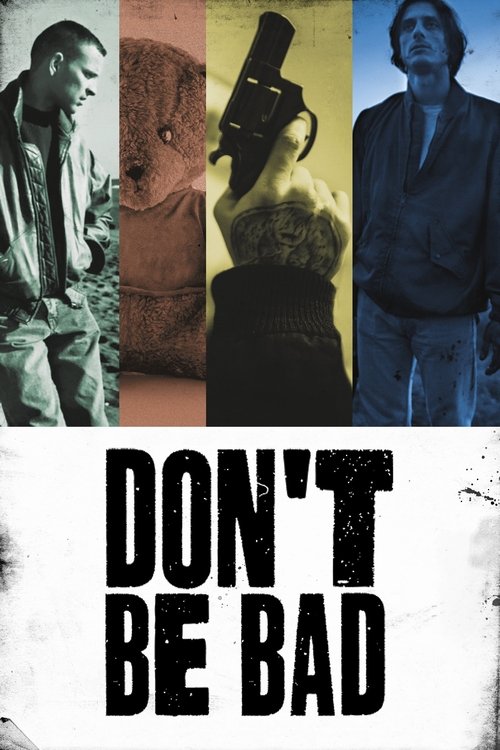
Non essere cattivo
Director: Claudio Caligari
Cast: Luca Marinelli, Alessandro Borghi, Silvia D'Amico, Roberta Mattei, Alessandro Bernardini
Don't Be Bad — Ending Explained
⚠️ Spoiler Analysis
Alternative Interpretations
One common interpretation is that Vittorio and Cesare are two sides of the same person. Vittorio represents the 'superego' or the societal drive to conform and survive, while Cesare represents the 'id,' the raw, unbridled impulses that refuse to submit to a mundane life of labor. Their separation is not just physical but psychological, suggesting that to survive, one must 'kill' the wilder, more vital part of themselves. Another reading suggests the ending is deliberately cyclical: the birth of 'Cesare Jr.' and Vittorio's meeting with Viviana implies that the cycle of the 'borgata' will continue, with the next generation born into the same environment, questioning whether any real change has occurred.
Explore More About This Movie
Dive deeper into specific aspects of the movie with our detailed analysis pages