Skip to content
Doraemon
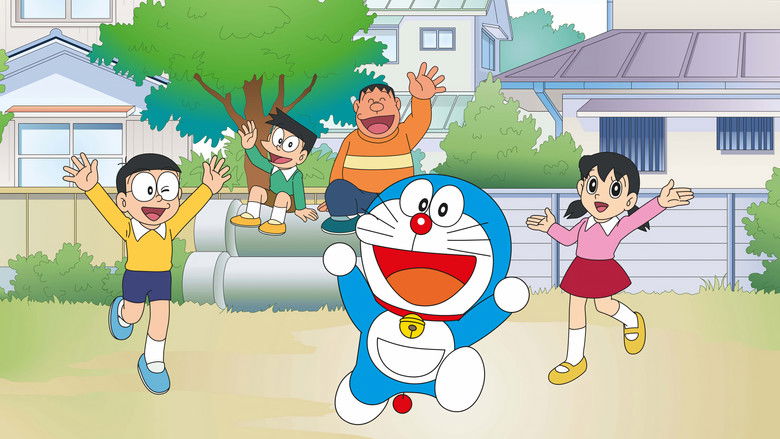
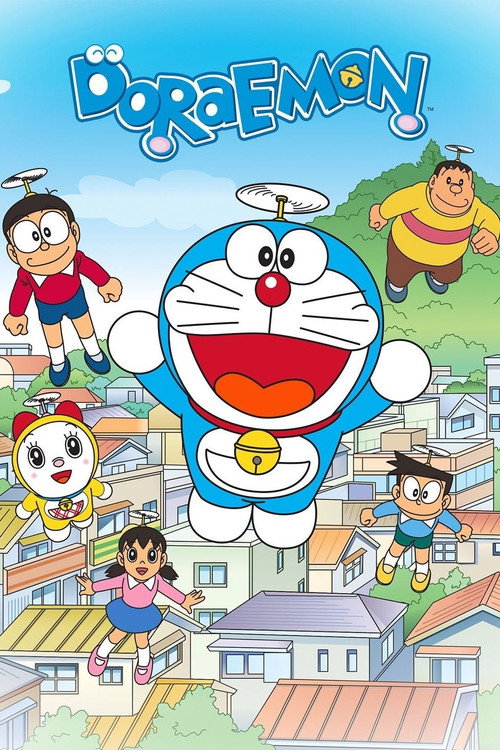
In a vibrant world where suburban innocence collides with 22nd-century wonder, a blue robotic cat channels infinite technological dreams into the life of a struggling boy. This whimsical sci-fi comedy blends tear-jerking warmth with slapstick magic.
Doraemon
Doraemon

ドラえもん

22 April 2005 — 16 June 2026 Japan 1 season 1464 episode Returning Series 8.1 (237)

Cast: Megumi Oohara, Wasabi Mizuta, Yumi Kakazu, Tomokazu Seki, Subaru Kimura

Animation Sci-Fi & Fantasy Action & Adventure Family Comedy Kids Personal Responsibility vs. Reliance on Technology Unconditional Friendship and Empathy Self-Improvement, Perseverance, and Overcoming Failure Family, Nostalgia, and Intergenerational Connection Environmental Stewardship and Compassion for Living Things

Doraemon — Ending Explained

⚠️ Spoiler Analysis

The True Purpose of Doraemon's Mission: The overarching premise reveals that Sewashi didn't send Doraemon merely to make Nobita rich, but to fundamentally transform Nobita’s character. In the original unaltered timeline, Nobita fails exams, sets fire to his own business, goes bankrupt, and marries Gian's sister, Jaiko. Doraemon’s presence alters the timeline so that Nobita marries Shizuka, creating a stable, loving family tree.

The "Lie 800" Miracle: When Doraemon is forced to return to the 22nd century forever in the Goodbye, Doraemon arc, he leaves Nobita the "Lie 800" potion, which turns spoken statements into falsehoods. When a grieving Nobita cries that Doraemon will never return, the gadget renders it a lie, instantly bringing Doraemon back for a permanent reunion.

The Maturity Paradox: The major underlying twist is that Nobita’s eventual adult success comes not from using Doraemon’s gadgets, but from learning to live without them. Adult Nobita declines to see Doraemon when visiting the past, recognizing that Doraemon belongs to his childhood and that he must walk his adult path on his own strength.

Alternative Interpretations

The Time Loop / Self-Fulfilling Destiny Interpretation: A prominent narrative reading suggests that Nobita’s life is an enclosed temporal loop. Adult Nobita in the future realizes that his growth, courage, and marriage to Shizuka were only possible because Doraemon was sent to his childhood. Therefore, adult Nobita ensures Sewashi sends Doraemon back in time, creating a stable bootstrap paradox where childhood memory creates future reality.

Socio-Economic Satire of Japanese Society: Critics and academics often interpret Doraemon as a subtle structural satire of postwar Japanese social mobility and educational pressure. Nobita represents the overwhelmed student crushed by high-stakes exam culture and societal expectations. Doraemon acts as a maternal safety net (Amae) that cushions the harsh realities of Japanese hyper-competitive childhood.

The Infamous "Coma Dream" Fan Theory (Debunked): An urban legend claiming Nobita is a terminally ill or comatose child in a hospital, and that Doraemon and all his magical gadgets are coping fantasies. This depressing fan theory has been repeatedly and officially debunked by Fujiko Pro and Shin-Ei Animation.

Explore More About This Movie

Dive deeper into specific aspects of the movie with our detailed analysis pages

Similar Movies