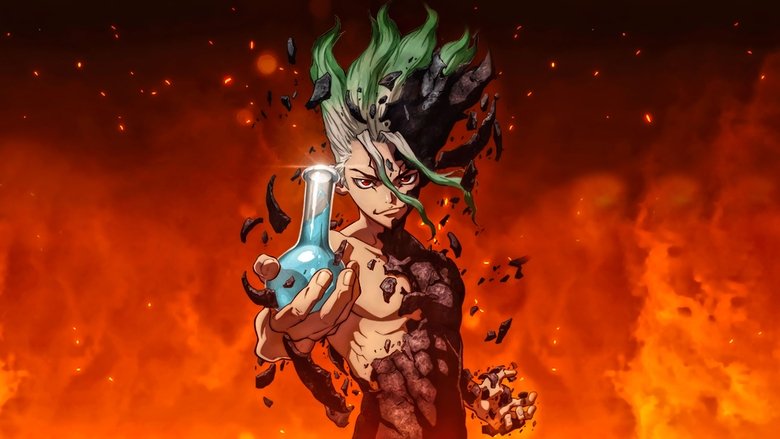
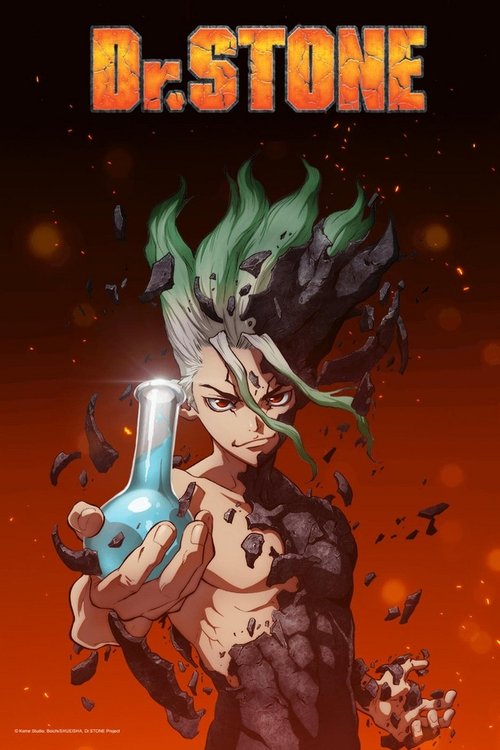
Dr. STONE
A post-apocalyptic saga of exhilarating ingenuity, where humanity's stone slumber is shattered by the defiant spark of scientific rediscovery.
Dr. STONE
Dr. STONE

Dr.STONE

05 July 2019 — 25 September 2025 Japan 4 season 82 episode Returning Series ⭐ 8.5 (1,566)
Cast: Yusuke Kobayashi, Makoto Furukawa, Kana Ichinose, Manami Numakura, Gen Sato
Animation Sci-Fi & Fantasy Action & Adventure Comedy
The Power of Science and Knowledge Rebuilding Civilization and Defining Ideals Collaboration vs. Individualism Generational Legacy and Hope

Dr. STONE - Ending Explained

⚠️ Spoiler Analysis

The overarching plot of Dr. STONE revolves around uncovering the mystery of the petrification. The first major twist concludes the 'Stone Wars' arc: Tsukasa Shishio is not killed but is cryogenically frozen by Senku, who vows to find a way to use the petrification phenomenon itself to heal his fatal wounds, turning a bitter enemy into a future ally.

The journey on the ship Perseus in Season 3 leads them to the 'Treasure Island,' the home of the Ishigami villagers' ancestors. Here, they discover the source of the petrification: an ancient, powerful technology called the 'Medusa' device, which can turn people to stone and back again with a simple voice command. They also learn that the island is ruled by a ruthless tyrant named Ibara who holds the 'master' Medusa. After a complex scientific and strategic battle, Senku's group defeats Ibara and gains control of a Medusa device.

The most significant reveal comes when they manage to establish global radio contact and hear a mysterious, repeating message: '12,800,000 meters, 1 second.' This message is from the entity responsible for the global petrification, dubbed 'Why-man.' Using radio triangulation, Senku shockingly pinpoints the source of the signal: the Moon. The final goal of the series becomes clear—the Kingdom of Science must achieve space travel to confront Why-man on the lunar surface and save humanity once and for all. The fourth and final season, 'Science Future,' focuses on this ultimate goal, beginning with a journey across the Americas to secure the resources needed for a space program.

Alternative Interpretations

While the series presents Senku as the clear hero, a significant alternative interpretation questions the inherent goodness of his mission. This perspective explores the validity of Tsukasa's ideals, suggesting that his desire for a 'pure' world free from the corruption, inequality, and weapons of the old one is not entirely villainous. This reading frames the central conflict not as good vs. evil, but as a clash of legitimate, albeit opposing, philosophies: technocratic progressivism vs. anarcho-primitivism.

From this viewpoint, is Senku's quest to restore civilization simply a path to recreating the same problems that plagued the past? Does science, which can create weapons as easily as medicine, truly hold the answer? This interpretation suggests the series is a more nuanced debate about the very nature of civilization, with Tsukasa serving as a tragic figure who raises valid concerns about the dark side of human progress, rather than a simple antagonist.