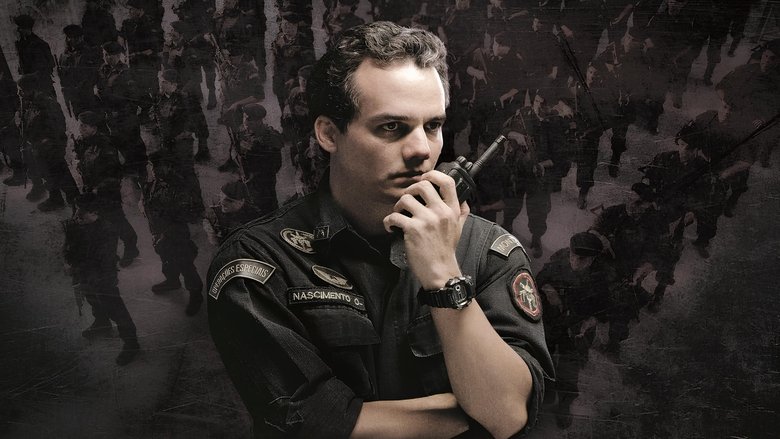
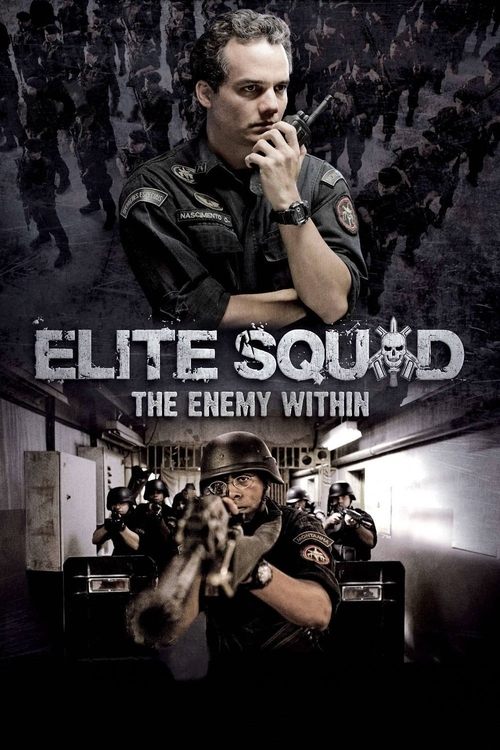
The plot of "Elite Squad: The Enemy Within" is a downward spiral into the heart of Rio's corrupt power structure. After the Bangu prison riot, which is deliberately escalated by militia-affiliated corrupt cop Major Rocha, Nascimento is promoted to Sub-Secretary of Intelligence. His former subordinate, Captain Matias, is made a scapegoat and transferred out of BOPE. From his new post, Nascimento wages war on the drug gangs, believing this will cut off the source of police corruption. The plan backfires spectacularly: with the gangs gone, Rocha and his militia of dirty cops take over the favelas, replacing drug trafficking with a more profitable and comprehensive system of extortion, controlling everything from cooking gas distribution to cable TV.
This new criminal empire is protected by a cabal of powerful figures, including Secretary of Security Guaracy, a popular TV host and politician named Fortunato, and the governor. Nascimento, using wiretaps, begins to uncover this vast conspiracy. Meanwhile, his ideological rival Diogo Fraga, now a state representative, also investigates the militias, putting him and his family (Nascimento's ex-wife and son) in danger. Matias, seeking his own form of justice, attempts to leak information to a journalist, Clara Vidal, but is ambushed and murdered by Rocha's men. Rocha's men then attempt to kill Fraga and Nascimento's son, Rafael, leading to a tense shootout where Fraga protects the boy.
The climax shifts from physical to informational warfare. Vidal, the journalist, manages to record a corrupt legislative aide detailing the entire scheme, including the politicians involved and their plan to steal evidence from a police station. Nascimento realizes the militia will use the raid as a pretext to kill Fraga and Clara to get the recording. He orchestrates a plan, allying with BOPE loyalists to protect them. The film's opening scene is revealed to be an ambush on Nascimento's car, which he survives. In the end, armed with the recording and Nascimento's testimony before a congressional committee, the corrupt politicians are exposed. However, Nascimento's final narration is bleak; he notes that while some were jailed, "The System" is far from defeated and has merely been forced to adapt, pointing to the highest levels of power in Brasília as the true, untouched enemy.