The film concludes with Peter reaching the Union Army in Baton Rouge, but his freedom is not immediate. He is essentially coerced into joining the fight, highlighting the 'illusion of choice' faced by escaped slaves. He joins the Louisiana Native Guard and participates in the assault on Port Hudson. In a departure from the likely historical defeat, the film frames the battle as a heroic, if costly, endeavor where the Confederate lines are breached. The climax sees Peter leading a charge, using his rage and skill to overcome the enemy. The film ends with a poignant reunion: Peter returns to the plantation, now liberated by Union forces, and finds Dodienne and his children. Dodienne, missing a hand from her self-inflicted injury, embraces him. The text epilogue confirms the photograph of Peter's back was circulated worldwide, becoming a vital tool in turning public opinion against slavery.

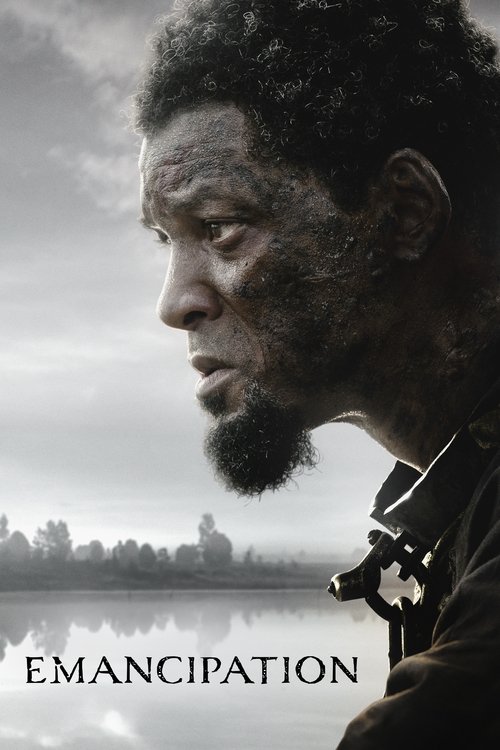
Director: Antoine Fuqua
Cast: Will Smith, Ben Foster, Charmaine Bingwa, Gilbert Owuor, Ronnie Gene Blevins
Emancipation — Ending Explained
⚠️ Spoiler Analysis
Alternative Interpretations
While ostensibly a historical drama, some critics interpret the film as an action-thriller disguised in prestige clothing. The superhuman feats Peter performs—fighting alligators, outsmarting hunters, surviving impossible wounds—reframe the narrative from a 'witness to history' story into a mythic 'hero's journey.' Another interpretation focuses on the color grading: the desaturated, near-monochrome palette with selective bursts of red (blood) and green (nature) can be seen as representing a world drained of life and hope by slavery, where life only breaks through in moments of violence or natural indifference.
Explore More About This Movie
Dive deeper into specific aspects of the movie with our detailed analysis pages