Ernest & Celestine
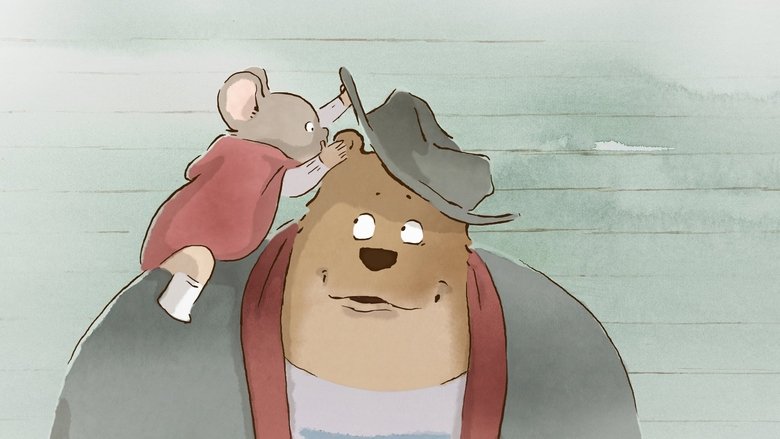
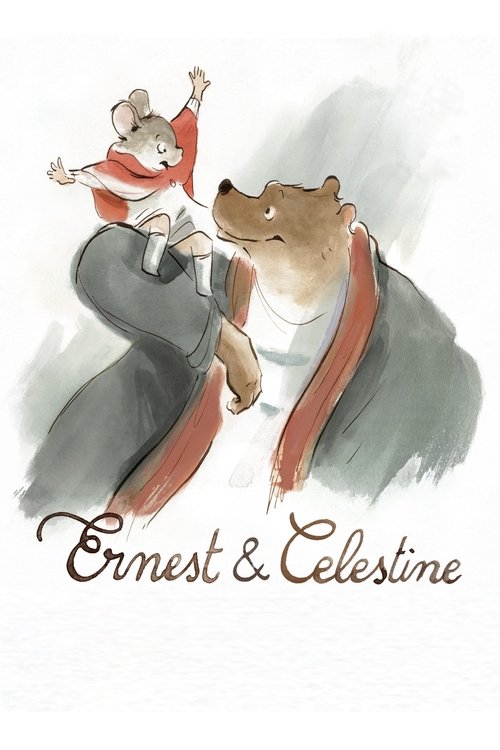
A tender, watercolor-drenched fable where a gruff bear and a spirited mouse defy a segregated world. Amidst snow and subterranean tunnels, their forbidden bond blossoms into a quiet revolution of art, music, and unconditional love.
Ernest & Celestine
Ernest & Celestine

Ernest et Célestine

"Bonnie and Clyde, Sid and Nancy..."

12 December 2012 Belgium 80 min ⭐ 7.8 (657)
Director: Vincent Patar Stéphane Aubier Benjamin Renner
Cast: Anne-Marie Loop, Lambert Wilson, Pauline Brunner, Patrice Melennec, Brigitte Virtudes
Crime Animation Family Adventure
Prejudice and Segregation Unlikely Friendship Art vs. Utility Fear as Control
Budget: $12,500,000
Box Office: $8,170,333

Ernest & Celestine - Ending Explained

⚠️ Spoiler Analysis

The film's climax occurs in the dual courthouses. Ernest is on trial in the mouse world, and Celestine in the bear world. A fire breaks out in both courts.

The Twist: Instead of fleeing like the other citizens, Ernest stays to save the mouse judge, and Celestine stays to save the bear judge. This act of compassion shames the judges, who realize their prejudice was unfounded. The Resolution: The charges are dropped, but the judges admit they cannot overturn the societal laws overnight. However, they grant tacit permission for Ernest and Celestine to live together in the cabin. The film ends with them writing and illustrating the very story we just watched, cementing their life as a partnership of equals.

Alternative Interpretations

While primarily a story of friendship, the film invites several deeper readings:

  • The Anti-Capitalist Allegory: The mouse society's obsession with teeth can be seen as a critique of capitalism, where biological imperatives (chewing/strength) are twisted into a commodity-based economy.
  • Queer Theory/Chosen Family: Ernest and Celestine's relationship, which defies biological and social norms to form a domestic unit, is often interpreted as a metaphor for queer kinship or 'chosen family' in the face of a heteronormative society.
  • The Artist as Revolutionary: The film suggests that artists are inherently dangerous to authoritarian regimes because they imagine alternatives to the status quo.