The film's most devastating twist is its conclusion: the sacrifice of New York City. When one American bomber successfully evades both U.S. and Soviet defenses to drop its payload on Moscow, the President realizes that the only way to convince the Soviets not to launch a total retaliatory strike is to offer an "eye for an eye." He orders General Black—whose own family is in New York—to fly a bomber over the city and drop nuclear weapons on it at the exact moment Moscow is destroyed. The film ends with a series of stark freeze-frames of everyday life in New York—children playing, people walking—which are suddenly cut to black, symbolizing the instantaneous death of millions. The "fail-safe" of the title is revealed to be a cruel joke; there is no safety, only a horrific choice between total extinction and mass murder.
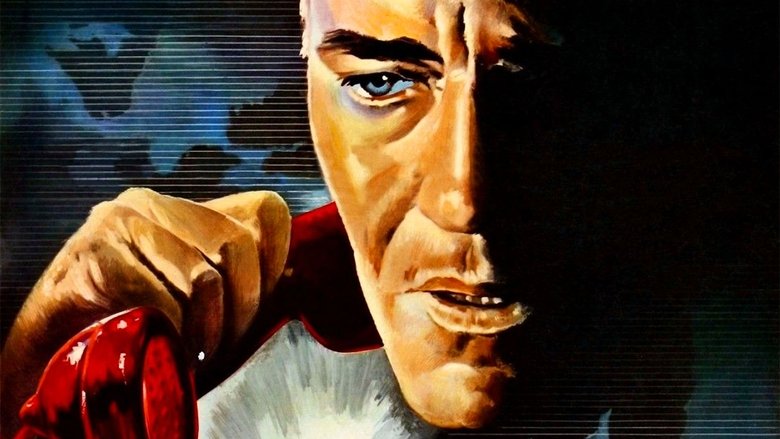
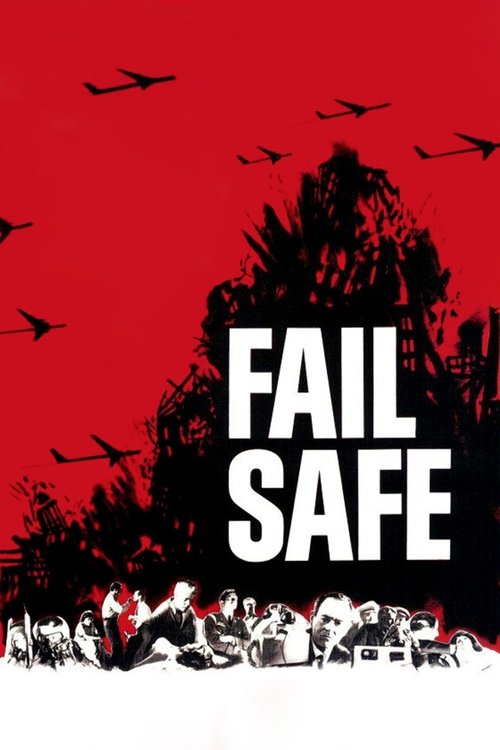
"It will have you sitting on the brink of eternity!"
Director: Sidney Lumet
Cast: Henry Fonda, Walter Matthau, Fritz Weaver, Larry Hagman, Frank Overton
Fail Safe — Ending Explained
⚠️ Spoiler Analysis
Alternative Interpretations
Critics have often debated the ending: Is it a supreme act of statesmanship or a monstrous war crime? One interpretation suggests the President is the ultimate utilitarian, saving billions by sacrificing millions. Another, more cynical reading, argues that the President's choice proves that the system has successfully brainwashed even the leader into believing that mass murder is a valid "solution." Some viewers interpret the film as a theological allegory, with the President offering New York as a literal burnt offering to appease a vengeful god (the nuclear machines). Others see it as a critique of 1950s masculinity, where men would rather destroy their families and cities than admit that their systems and egos are flawed.
Explore More About This Movie
Dive deeper into specific aspects of the movie with our detailed analysis pages