Fireworks
A poetic meditation on the proximity of violence and beauty, where a stoic ex-detective embarks on a final, fatal journey with his dying wife. Silence and sudden brutality intertwine like the flowers and fire of the title.
Fireworks
Fireworks

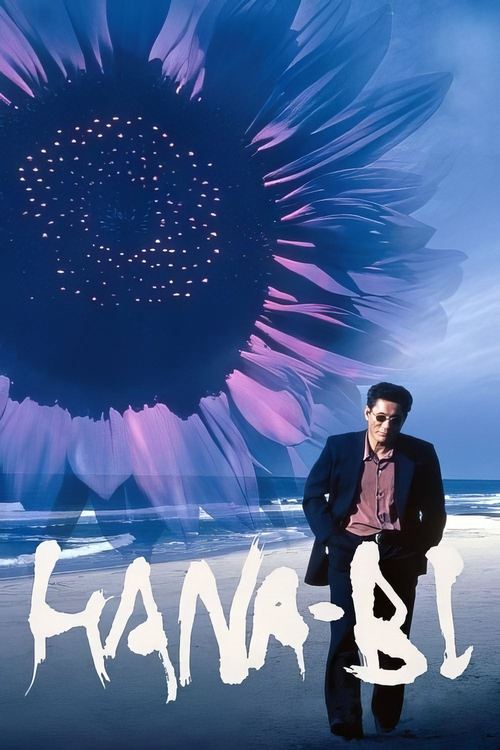
HANA-BI

"Work is all I've ever known."

30 October 1997 Japan 103 min ⭐ 7.7 (748)
Director: Takeshi Kitano
Cast: Takeshi Kitano, Kayoko Kishimoto, Ren Osugi, Susumu Terajima, Tetsu Watanabe
Drama Crime
Duality of Life and Death Silence as Communication Redemption through Art and Sacrifice Sudden, Unflinching Violence

Fireworks - Ending Explained

⚠️ Spoiler Analysis

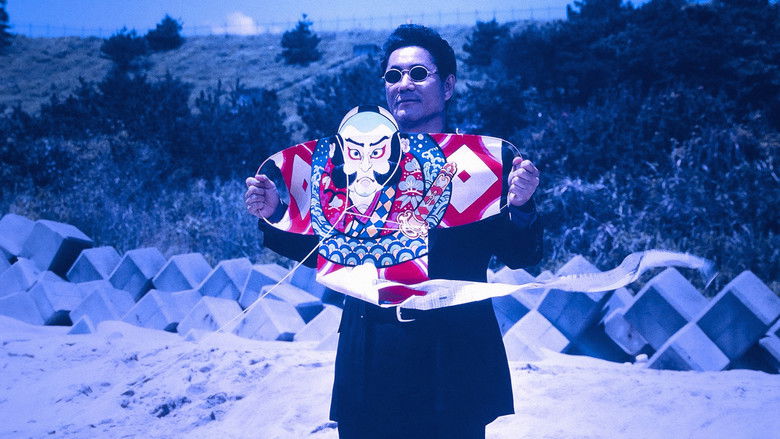
The Ending: After dispatching the yakuza pursuing them, Nishi and Miyuki arrive at a quiet beach. They watch a young girl playing with a kite. Miyuki speaks her only words: 'Thank you for everything.' The camera pans away to the sea and the girl. suddenly, two gunshots ring out off-screen. The film ends.

Analysis: The two shots imply a murder-suicide (shinju). Nishi likely shot his wife to end her suffering and then himself. This act completes the 'Fire' (Bi) aspect of the title, extinguishing the 'Flower' (Hana). It is a bleak but autonomous choice—Nishi refuses to let the yakuza or the disease dictate their end. He chooses the moment and the place, reclaiming agency over his fate.

Alternative Interpretations

The Suicide Dream: Some critics interpret the entire film as Nishi's dying dream or purgatory state after the initial stakeout accident, suggesting he never actually survived to go on the road trip.

Art vs. Action: The film can be read as an internal debate within Kitano himself—between his public persona as a violent man of action (Nishi) and his private desire to be a contemplative artist (Horibe). The ending suggests the 'death' of the action persona to allow the artist to live, or perhaps the tragic impossibility of reconciling both.