"In Vietnam, the wind doesn't blow. It sucks."
Director: Stanley Kubrick
Cast: Matthew Modine, Adam Baldwin, Vincent D'Onofrio, R. Lee Ermey, Dorian Harewood
Full Metal Jacket — Movie Quotes
Memorable Quotes
I am Gunnery Sergeant Hartman, your senior drill instructor. From now on you will speak only when spoken to, and the first and last words out of your filthy sewers will be 'Sir.' Do you maggots understand that?
Context
Spoken in the first scene in the barracks, as Hartman addresses the new recruits for the first time after they've had their heads shaved.
Meaning
This is Hartman's opening salvo, establishing his absolute authority and the complete stripping of the recruits' identities. It sets the tone for the entire boot camp sequence, defining the brutal power dynamic that will shape the new Marines.
This is my rifle. There are many like it, but this one is mine. My rifle is my best friend. It is my life.
Context
The recruits recite this creed during their training. It is later repeated chillingly by a deranged Private Pyle in the latrine just before he murders Sergeant Hartman and commits suicide.
Meaning
This quote, part of the Rifleman's Creed, symbolizes the process of dehumanization and the replacement of human connection with a devotion to a weapon. It highlights the psychological conditioning used to turn men into killers, making the rifle an extension of their own being.
I think I was trying to suggest something about the duality of man, sir. The Jungian thing.
Context
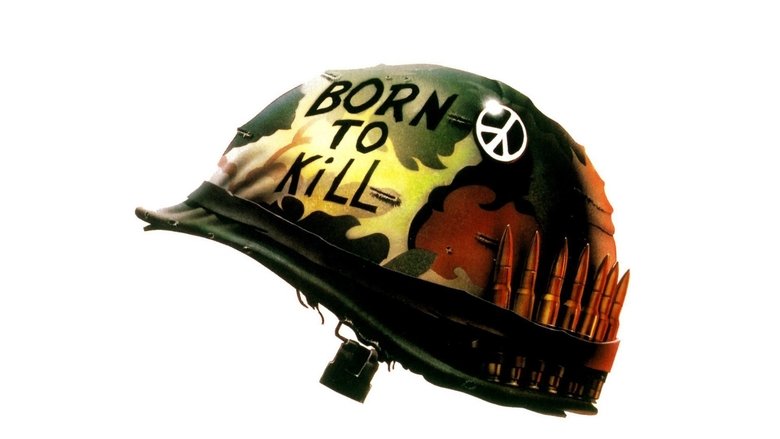
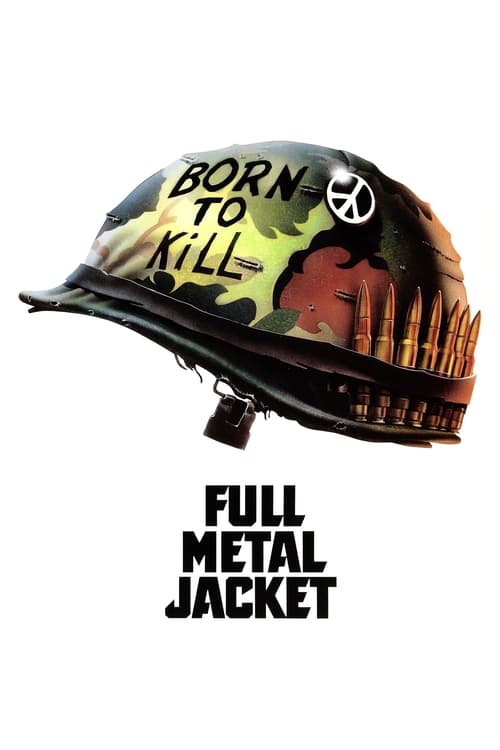
Joker says this to a hard-nosed colonel in the field who questions the contradiction of him wearing a peace symbol on his body armor while having "Born to Kill" written on his helmet.
Meaning
This is the film's thesis statement, delivered with Joker's characteristic wit. It explicitly names the central theme of the film: the inherent contradiction within humanity, the capacity for both peace and violence, which is brought to the forefront by the pressures of war.
Seven-six-two millimeter. Full metal jacket.
Context
Spoken in the latrine during the film's first-act climax. Joker, on fire watch, discovers Pyle loading his rifle and asks him if the rounds are live. This is Pyle's deadpan response.
Meaning
These chillingly calm words mark the completion of Pyle's transformation and the point of no return. He identifies the bullets—the film's namesake—not as ammunition, but as an integral part of his new, deadly identity. It's a moment of terrifying clarity in his madness.
I'm in a world of shit, yes. But I am alive. And I am not afraid.
Context
The final lines of the film, delivered in a voiceover as the squad marches through the burning ruins of Huế, singing the "Mickey Mouse March" after Joker has killed the sniper.
Meaning
Joker's final voiceover narration summarizes his transformation. He acknowledges the hellish reality of his situation but also declares his survival and the shedding of his fear. It's an ambiguous ending: is this a victory, or has he simply become numb and fully assimilated into the machinery of war, having lost the part of him that was afraid?
Explore More About This Movie
Dive deeper into specific aspects of the movie with our detailed analysis pages