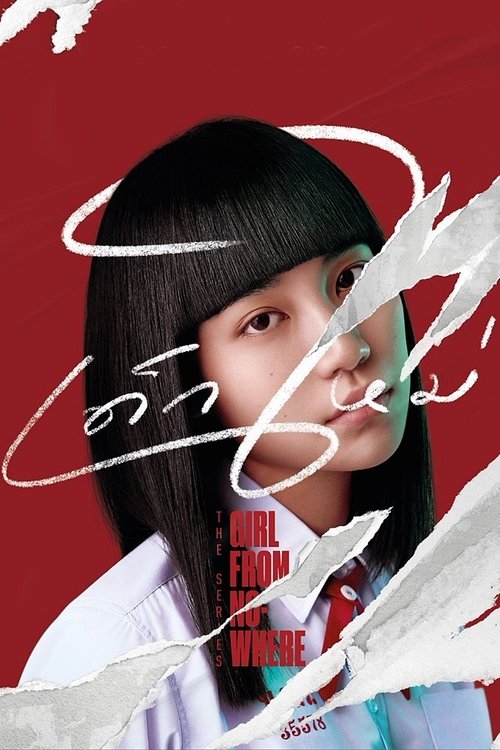
เด็กใหม่
"It's the victim's turn to teach you a lesson."
Girl from Nowhere - Ending Explained
⚠️ Spoiler Analysis
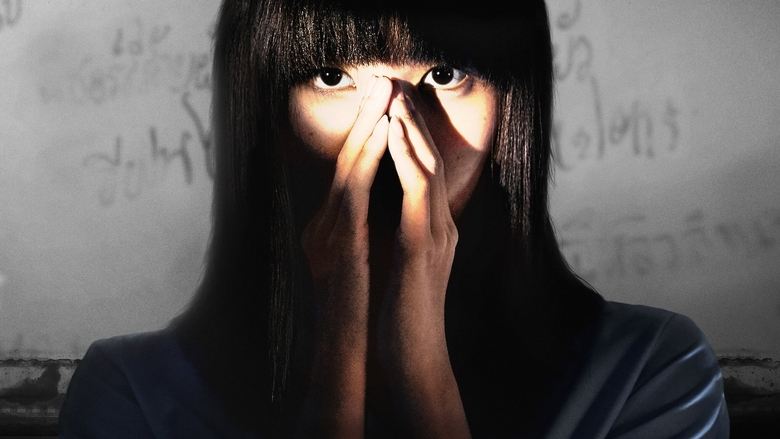
"Girl from Nowhere" is built on shocking twists that reveal the depths of human depravity and Nanno's supernatural nature. In Season 1, the core reveal is Nanno's immortality and her role as an avenging entity. This is cemented in episodes like "Apologies," where after being assaulted and buried, she returns unscathed to torment her attackers with psychological warfare and clones of herself. The season finale, "BFF," strongly implies a human origin for Nanno, suggesting she was a high school girl murdered by her classmates who has returned as a spirit of vengeance, endlessly reenacting her role as the 'new girl'.
Season 2's central twist is the introduction of a rival, Yuri. In "Yuri," the titular character is drowned in a bathtub of Nanno's blood after a plan goes awry. This act inadvertently transfers Nanno's powers to her, creating a second, more ruthless entity. Yuri's existence proves to be Nanno's undoing. Throughout the season, Yuri's philosophy of immediate, deadly revenge clashes with Nanno's methods. The ultimate spoiler is Nanno's apparent demise in the finale, "The Judgement." While trying to pass judgment on the murderous Junko and her complicit mother, Nanno shows a moment of hesitation and empathy. This vulnerability allows Junko's mother to stab her repeatedly with a knife. As Nanno bleeds out, seemingly mortal and losing her powers, Yuri declares Nanno's era is over. She then anoints Junko with her own blood, passing the power on again. The final hidden meaning is revealed in the last shot: a figure identical to Nanno sits on a nearby rooftop, watching. This implies that either Nanno is not truly dead, that a clone has survived, or that she has been reborn, setting up a potential future conflict where she must reckon with the chaotic world of decentralized vengeance that Yuri has unleashed.
Alternative Interpretations
Several alternative interpretations exist for the series, particularly concerning Nanno's identity and the ambiguous ending of Season 2.
Nanno as the Devil's Daughter or a Demon: One popular theory is that Nanno is not merely an abstract concept like karma, but a supernatural being with demonic origins, perhaps the daughter of Satan or a figure like a succubus. This interpretation is supported by her methods of temptation, her apparent pleasure in human suffering, and her role in luring people into sin before punishing them. Her character has also been compared to Tomie from the works of Japanese horror manga artist Junji Ito, an entity that drives men to madness and violence.
Nanno's 'Death' as a Metamorphosis: The ending of Season 2, where Nanno is seemingly killed, is open to multiple readings. One view is that as she developed human emotions like empathy and doubt, she became mortal and truly died, and the figure on the rooftop is a clone or a spiritual successor. Another interpretation is that this 'death' was a necessary metamorphosis. By experiencing vulnerability and questioning her own purpose, she shed her old self to be reborn, possibly with a new understanding of justice, ready to confront a world where Yuri has empowered everyone to be their own judge. Her final question, "Am I really necessary anymore?" could be a challenge to the audience or a sign of her own evolution.
Yuri as the Natural Human Response: While Nanno represents a detached, cosmic form of karma, Yuri can be interpreted as the embodiment of the purely human response to injustice: raw, emotional, and violent revenge. Her rise suggests a critique of Nanno's methods, arguing that true justice for victims isn't a detached lesson but a passionate, and often bloody, reclamation of power. From this perspective, Yuri isn't just a villain but a necessary evolutionary step in the show's exploration of justice.