"Three decades of life in the mafia."
GoodFellas - Symbolism & Philosophy
Symbols & Motifs
Food
Food symbolizes family, camaraderie, and the richness of the mob lifestyle. The act of preparing and sharing meals is central to the characters' social bonds and traditions. In prison, their elaborate meals signify their ability to live above the rules even when incarcerated. The decline in the quality of food at the end, from fine Italian cuisine to "egg noodles and ketchup," symbolizes Henry's fall from grace and his new, mundane existence as a "schnook."
Throughout the film, lavish meals are shown at gatherings, in prison, and at Tommy's mother's house. The final scene features Henry complaining about the poor quality of food in witness protection, directly contrasting it with his former life.
Guns
Guns represent power, authority, and dominance within the film's world. Possessing a gun grants a character control over others and situations. For Karen, being given Henry's bloody gun is a turning point that, instead of scaring her away, excites and draws her deeper into the lifestyle, symbolizing her seduction by the power it represents. The final shot of Tommy firing at the camera signifies the ever-present threat of violence that defined their lives.
Guns are used frequently for acts of violence, such as Tommy's impulsive murders. A significant scene involves Henry giving a blood-stained gun to Karen to hide after he pistol-whips her neighbor. The film's closing shot is an homage to The Great Train Robbery, with Tommy shooting directly at the audience.
Flashy Attire and Cars
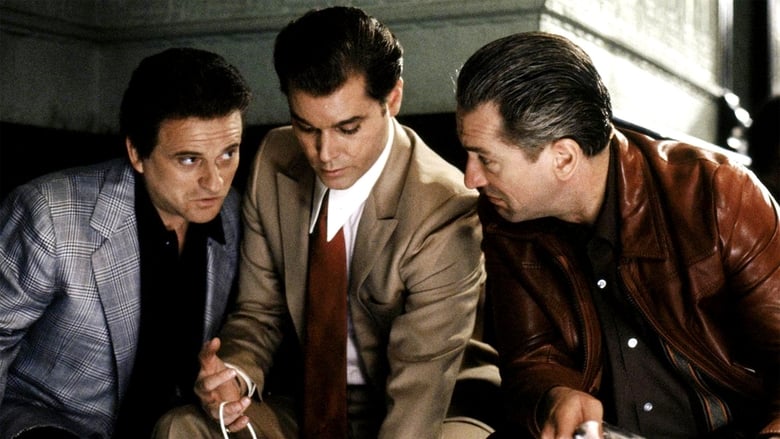
Conspicuous consumption, exemplified by expensive suits, jewelry, and flashy cars like the pink Cadillac, symbolizes the excess and vanity of the gangster lifestyle. This ostentatious display of wealth is a way for the characters to assert their status and success. However, it also represents their recklessness and becomes a liability, as it draws unwanted attention from law enforcement and breeds paranoia within the group, as seen with Jimmy's reaction to the Lufthansa heist crew's spending.
After the Lufthansa heist, Jimmy grows furious and paranoid when he sees his crew members flaunting their new wealth, such as Johnny Roastbeef's wife and her pink Cadillac, leading him to have them all killed.
Philosophical Questions
What is the nature of loyalty and is it possible in a world built on self-interest?
The film constantly tests the concept of loyalty. The mob's code demands absolute loyalty, but their actions reveal that this loyalty is conditional and secondary to self-preservation and greed. Jimmy Conway preaches loyalty but murders his associates to protect himself. Henry, the recipient of this lesson, ultimately betrays everyone. The film seems to ask whether true loyalty can exist in a subculture where personal gain is the ultimate goal, suggesting that in such an environment, betrayal is not an anomaly but an inevitability.
Does power inherently corrupt, or does it merely reveal one's true character?
GoodFellas explores how the acquisition of power affects its characters. As they gain more influence and impunity, they become more violent, paranoid, and detached from conventional morality. Tommy's behavior becomes increasingly erratic as he feels more untouchable, and Jimmy's paranoia escalates after he orchestrates a massive heist. The film suggests that the freedom from consequences that power provides allows the characters' worst impulses to flourish, raising the question of whether the power created these monsters or simply gave them the opportunity to be who they always were.
Can one find true freedom by living outside the law?
Henry and his friends believe they are the truly free ones, unbound by the mundane rules that govern the lives of "schnooks." They enjoy a life of excess and instant gratification. However, the film meticulously shows the prison they build for themselves. They are trapped by their own code, constantly looking over their shoulders, and living in fear of betrayal from their closest friends or a violent death. Henry's eventual entry into the Witness Protection Program, the ultimate loss of identity, serves as the final, ironic answer: their version of freedom is an illusion that leads to a far more profound form of imprisonment.
Core Meaning
GoodFellas serves as a powerful deconstruction of the gangster myth, stripping away the romanticism to expose the corrupt and destructive reality of mob life. Director Martin Scorsese's primary message is that the allure of this lifestyle—the power, wealth, and freedom from convention—is an illusion that inevitably leads to betrayal and ruin. The film explores a twisted version of the American Dream, where upward mobility is achieved through violence and intimidation rather than hard work.
At its core, the film is a cautionary tale about the loss of identity and morality. It examines how the desire for belonging can lead an individual down a path of self-destruction. Henry Hill's journey is not one of a tragic hero, but of a man who chooses a morally bankrupt life and, in the end, has no profound epiphany or remorse; he only laments the loss of his power and status. Scorsese intended to deglamorize the gangster, showing that beneath the flashy suits and charismatic smiles are deeply flawed and dangerous individuals.