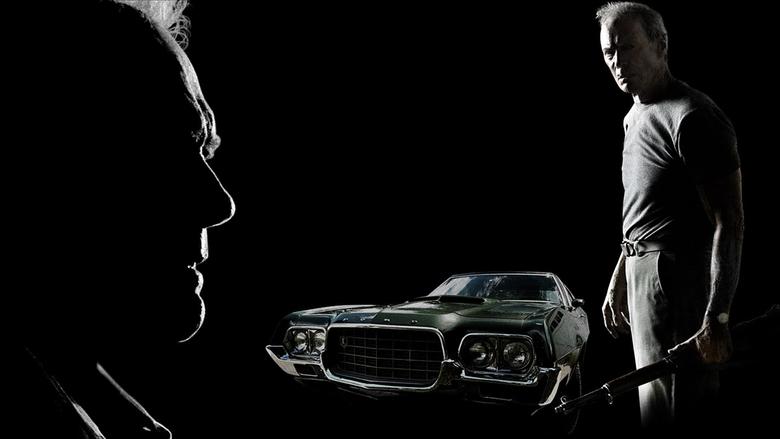
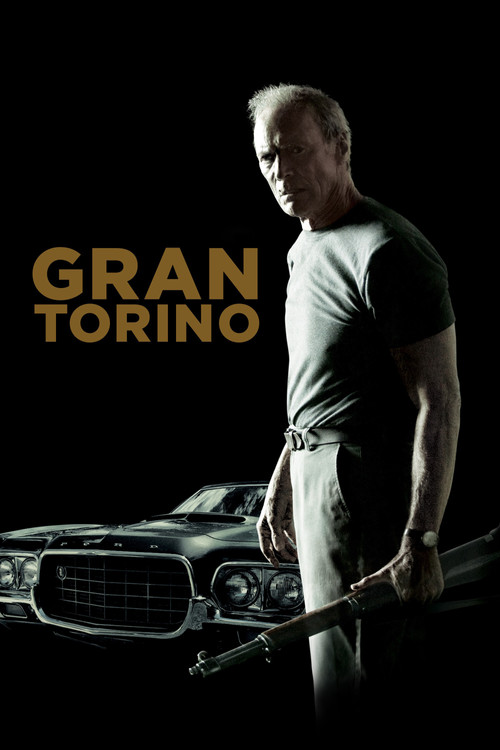
The central twist of "Gran Torino" lies in the nature of Walt's final confrontation with the Hmong gang. Throughout the film, Walt is established as a man of action and violence, a Korean War veteran who is not afraid to use his M1 Garand rifle. After Sue is brutally assaulted and the Vang Lor house is shot up in a drive-by, a vengeful Thao goes to Walt, expecting they will seek violent retribution. This sets up the expectation for a classic Eastwood shoot-out, a final blaze of glory reminiscent of his earlier action roles.
However, Walt subverts this expectation entirely. He locks a protesting Thao in his basement to protect him, gets a haircut and a new suit, and goes to confession, seemingly preparing for death. When he confronts the gang, he doesn't bring a weapon. Instead, he stands before them, verbally provoking them while neighbors watch. He lights a cigarette and then reaches into his jacket, causing the heavily armed gang members to panic and gun him down in a hail of bullets. As he lies dying, his hand opens to reveal not a gun, but his Zippo lighter. The hidden meaning is that Walt's plan was never to kill the gang, but to sacrifice himself. By being an unarmed man murdered in front of multiple witnesses, he ensures the entire gang will be arrested and imprisoned for a long time, thus permanently ending their threat to the Vang Lor family. This act of non-violent sacrifice is his true moment of redemption, where he uses his death, not violence, to save the people he has come to love. His final will reveals he has left his house to the church and his prized Gran Torino to Thao, cementing the boy's future and completing his own spiritual journey.