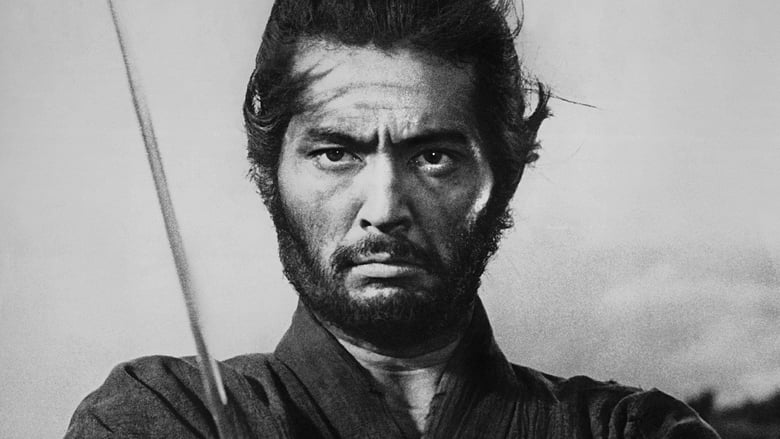

切腹
"What befalls others today, may be your own fate tomorrow."
Director: Masaki Kobayashi
Cast: Tatsuya Nakadai, Akira Ishihama, Shima Iwashita, Tetsuro Tamba, Masao Mishima
Harakiri — Movie Quotes
Memorable Quotes
After all, this thing we call samurai honor is ultimately nothing but a facade.
Context
Spoken in the courtyard of the Iyi estate after he has revealed the truth about Motome and presented the severed topknots of the clan's three samurai. It is his final, damning verdict on their entire value system before the final battle ensues.
Meaning
This line encapsulates the film's central thesis. Hanshirō speaks it after systematically proving that the Iyi clan's adherence to the Bushido code is not about true integrity but about maintaining appearances and power. It's a direct condemnation of the hypocrisy he has exposed.
What befalls others today, may be your own fate tomorrow.
Context
Hanshirō says this to Saitō and the assembled samurai early in his narrative, framing his personal story as a universal cautionary tale. It sets a tone of foreboding and philosophical weight for the revelations to come.
Meaning
This is a warning from Hanshirō to the comfortable and arrogant Iyi clan members. He reminds them that their privileged position is not guaranteed and that the suffering they inflict on the less fortunate could easily become their own reality, highlighting the fickle nature of fate and the arrogance of power.
A samurai's sword is his soul.
Context
This ideal is articulated by the Iyi clan members to justify their contempt for Motome, who pawned his swords. They see his action as the ultimate disgrace, failing to understand the desperate, humane reasons behind it.
Meaning
This quote represents the rigid, traditionalist view of the samurai class. It signifies that a samurai's identity and honor are inextricably linked to his weapons. The film proceeds to deconstruct this idea, suggesting that a man's soul truly resides in his compassion and love for his family.
Explore More About This Movie
Dive deeper into specific aspects of the movie with our detailed analysis pages