The film's mystery resolves with the revelation that Tom Marvolo Riddle is an anagram for "I am Lord Voldemort," meaning the charming student from the diary is actually the teenage memory of the Dark Lord. The twist reveals that Voldemort has been manipulating events from the past. Furthermore, it is revealed that Ginny Weasley opened the Chamber, not of her own free will, but while possessed by Riddle's diary, which Lucius Malfoy planted on her. The "Heir of Slytherin" was not a current student, but a memory acting through an innocent victim.
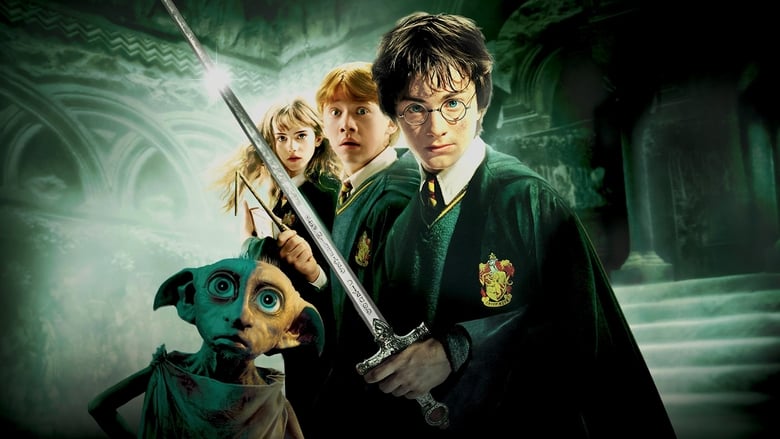
Dark Mystery + Creeping Fear + Petrified Silence. A chilling descent into Hogwarts' shadowed past where whispered voices and ancient prejudices awaken a slumbering terror. The warmth of magic chills into a cold, serpentine threat.
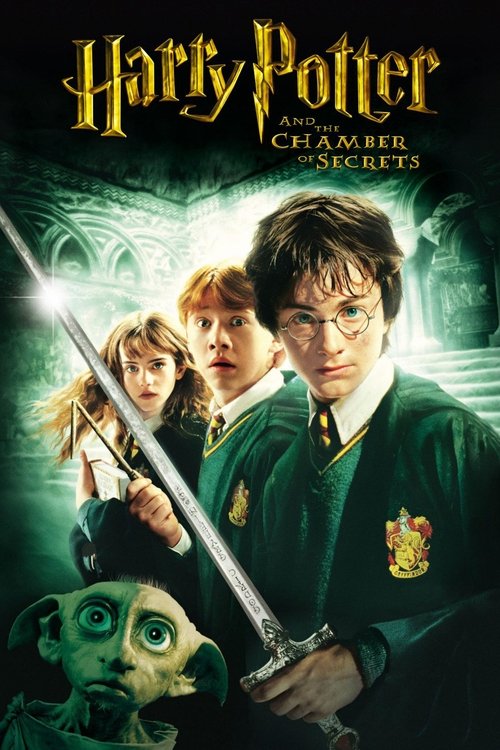
Harry Potter and the Chamber of Secrets
"Something evil has returned to Hogwarts!"
13 November 2002
United Kingdom
161 min
7.7
(23,203)
Director: Chris Columbus
Cast: Daniel Radcliffe, Rupert Grint, Emma Watson, Kenneth Branagh, Toby Jones
Fantasy
Adventure
Prejudice and Blood Purity
Identity and Self-Doubt
Truth vs. Deception
Loyalty
Budget:
$100,000,000
Box Office:
$876,688,482
Harry Potter and the Chamber of Secrets — Ending Explained
⚠️ Spoiler Analysis
Alternative Interpretations
The Political Allegory: Critics and scholars often analyze the film as a direct allegory for racism and ethnic cleansing. The "Pure-blood" ideology mirrors Nazi Aryan supremacy, with the Chamber representing the violent purging of the "unclean" from society.
The Loss of Innocence: The film can be read as a metaphor for puberty and the end of childhood innocence. The characters deal with changing bodies (Polyjuice potion), darker emotional impulses, and the realization that authority figures (Lockhart, the Ministry) can be incompetent or corrupt.
The Jungian Shadow: Harry's confrontation with Tom Riddle is a confrontation with his own "Shadow" self. Riddle represents Harry's potential for darkness, and slaying the Basilisk is the symbolic conquering of his own inner demons to integrate his true self.
Explore More About This Movie
Dive deeper into specific aspects of the movie with our detailed analysis pages