Skip to content
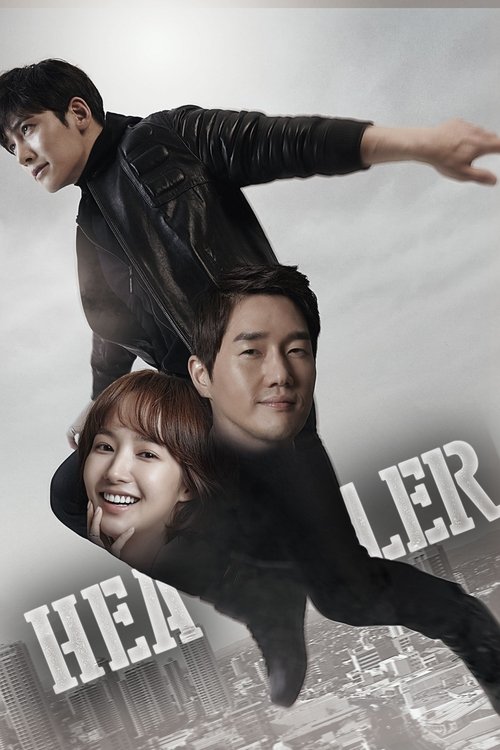
Healer
Urban romantic noir meets exhilarating vigilante pulse as solitary souls leaping across dark rooftops collide to ignite warmth, ancestral truth, and enduring human connection in a fractured world.
Healer

Healer

힐러

08 December 2014 — 10 February 2015 South Korea 1 season 20 episode Ended 8.3 (321)

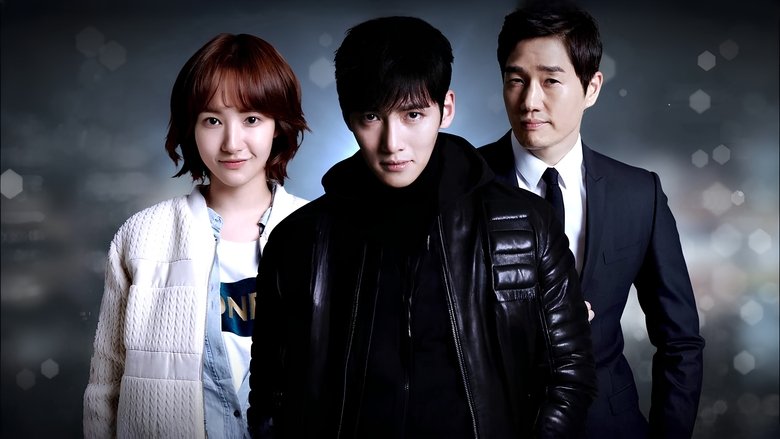
Cast: Ji Chang-wook, Yoo Ji-tae, Park Min-young, Park Sang-won, Do Ji-won

Drama Action & Adventure Comedy Mystery Intergenerational Trauma, Guilt & Accountability The Ethics of Journalism vs. Media Manipulation Isolation, Identity & the Vulnerability of Human Bonding Justice, Complicity & Redemption Agency & Overcoming Childhood Victimhood

Overview

Healer (2014–2015) is a South Korean romantic action-thriller written by celebrated screenwriter Song Ji-na and directed by Lee Jung-sub and Kim Jin-woo. Spanning 20 episodes, the series weaves together political conspiracy, investigative journalism, and urban vigilantism into a generational mystery connecting South Korea’s turbulent past with its contemporary media landscape.

At the center of the story is Seo Jung-hoo, an elite, reclusive underground night courier operating under the codename "Healer". Armed with acrobatic combat skills and backed by a hacker partner, he undertakes covert, morally gray commissions with only two strict rules: never reveal his identity and never kill. Jung-hoo’s solitary life is disrupted when he accepts a seemingly routine mission from Kim Moon-ho, a celebrated prime-time television journalist, to gather DNA and intel on Chae Young-shin, an eccentric, spunky reporter working for a low-profile online tabloid.

To protect Young-shin and investigate why she is targeted, Jung-hoo adopts the civilian guise of Park Bong-soo, an awkward rookie reporter under Young-shin’s wing. As Jung-hoo, Young-shin, and Moon-ho dig deeper into intertwined modern crimes, they uncover a shared past rooted in a 1980s–1992 underground pirate radio broadcast run by five idealistic student friends. This legacy of sacrifice, betrayal, and state corruption forces the trio to unite against shadow powerbrokers, exposing buried truths to reclaim their identities and seek justice.

Core Meaning

The fundamental message of Healer is that genuine healing—both personal and societal—cannot occur without confronting and unearthing suppressed truths. Screenwriter Song Ji-na illustrates how the trauma, compromises, and betrayals of past political struggles directly shape the lives of subsequent generations. Rather than adopting the cynicism or defeatism of their elders, the younger generation finds strength through unyielding moral integrity, independent press work, and genuine emotional vulnerability. The series asserts that courageous truth-telling is an act of love capable of transforming isolated survivors into an interconnected community.

Thematic DNA

Intergenerational Trauma, Guilt & Accountability 30%
The Ethics of Journalism vs. Media Manipulation 25%
Isolation, Identity & the Vulnerability of Human Bonding 20%
Justice, Complicity & Redemption 15%
Agency & Overcoming Childhood Victimhood 10%

Intergenerational Trauma, Guilt & Accountability

The series examines how the unresolved tragedy of the 1980s/1992 pro-democracy activist circle echoes into the present. Moon-ho carries consuming survivor's guilt, Moon-sik rationalizes his past betrayal by aligning with oligarchical power, and both Jung-hoo and Young-shin grow up bearing the scars of abandonment and parental loss. Resolution only emerges when the next generation uncovers what happened rather than running from it.

The Ethics of Journalism vs. Media Manipulation

Through the contrast between mainstream media conglomerate Jeil Sinmun (run by the corrupt Moon-sik) and the grassroots digital outlet Someday News, the show explores the weaponization of information. It highlights that authentic reporting gives voice to the voiceless, serving as an antidote to institutional propaganda.

Isolation, Identity & the Vulnerability of Human Bonding

Jung-hoo begins as an emotionally detached cynic dreaming of buying an uninhabited South Pacific island to escape human society. His evolution from cold mercenary to loving partner and dedicated comrade demonstrates that connection, mutual trust, and shared vulnerability are essential to human existence.

Justice, Complicity & Redemption

The narrative draws clear lines between those who compromise their morals for safety or power (Moon-sik and "The Elder") and those who take active risks to right historical wrongs (Teacher Ki Young-jae, Moon-ho, and Hacker Min-ja).

Agency & Overcoming Childhood Victimhood

Young-shin suffers from panic attacks and hyperventilation triggered by childhood physical abuse before her adoption. Instead of remaining a passive damsel in distress, she confronts violence head-on, pursues journalism with bravery, and actively offers emotional shelter to Jung-hoo.

Character Analysis

Seo Jung-hoo / "Healer" / Park Bong-soo

Ji Chang-wook

Archetype: Reluctant Hero / Shadow Vigilante Key Trait: Duality, athletic prowess, deep longing for belonging

Motivation

Evolves from self-preservation and escape to uncovering his father’s name and fiercely protecting the woman and community he loves.

Character Arc

Begins as an isolated, disillusioned night courier focused solely on hoarding wealth to purchase an island. Undercover as the clumsy reporter Bong-soo, he experiences human connection, confronts the truth about his father’s framing, and relinquishes his solitary persona to live openly as an investigative photojournalist alongside Young-shin.

Chae Young-shin / Oh Ji-an

Park Min-young

Archetype: Truth-Seeker / Resilient Heroine Key Trait: Empathetic courage, moral clarity, emotional warmth

Motivation

Evolves from seeking professional validation and finding her biological roots to uncovering societal corruption and giving a voice to victims.

Character Arc

A survivor of early childhood abuse and abandonment, she grows up with loving foster father Chae Chi-soo and aspires to match the investigative caliber of Oriana Fallaci. Her arc shows her evolving from an unconfident tabloid writer into a fearless reporter who uncovers her real parentage (daughter of Myung-hee and Gil-han) without losing her empathy.

All 5 characters and cast

Symbols & Motifs

The Leopard in the Documentary

Meaning:

Represents Jung-hoo’s perceived predatory self-sufficiency and emotional detachment as a creature who survives strictly alone in the shadows.

Context:

Featured in the opening scenes as Jung-hoo watches a nature documentary showing a solitary leopard traversing the wilderness.

The Desert Island Dream

Meaning:

Symbolizes absolute alienation and escape from human responsibility, which eventually becomes obsolete and is replaced by a desire to live an ordinary daily life among people.

Context:

Tracked through Jung-hoo’s bank account and computer simulations of an uninhabited island in the South Pacific.

The 1992 Group Photograph

Meaning:

Represents lost innocence, unbroken friendship, and the unanswered question of who betrayed whom among the activist friends.

Context:

Serves as the visual anchor linking the past and present, depicting Seo Joon-seok, Oh Gil-han, Choi Myung-hee, Kim Moon-sik, and Ki Young-jae.

The Knitted Beanie & Blindfold

Meaning:

Represents the delicate line between concealment and emotional intimacy, allowing deep connection before physical identity is revealed.

Context:

Used by Healer to cover Young-shin's eyes during rooftop meetings, intimate conversations, and rescues.

The Handhold (Fingers Intertwined)

Meaning:

Symbolizes unconditional trust, emotional recognition, and mutual safety without relying on visual confirmation.

Context:

A recurring physical gesture where Jung-hoo and Young-shin clasp hands without seeing each other's faces in cars, elevators, and dark corridors.

The Pirate Radio Broadcast Van

Meaning:

Represents radical freedom of speech, non-violent resistance, and the moral roots of authentic journalism.

Context:

The retrofitted 1980s broadcast vehicle used by the five original student activist friends.

Memorable Quotes

내가 좋아하는 것: 높은 곳, 첫눈, 작은 손, 하얀 이불… 그 베개. 내가 싫어하는 것: 이 모든 것들과 나를 떼어놓는 모든 것.
— Seo Jung-hoo

Context

Spoken in Episode 13 as Jung-hoo reflects on what he values in life.

Meaning

Captures Jung-hoo’s complete transformation from wanting complete isolation to treasuring intimate, everyday human warmth with Young-shin.

보내달라고 하면 보내줄게요. 하지만 숨지 마요. 내 눈앞에서 울어요.
— Chae Young-shin

Context

Delivered in Episode 14 when offering comfort and unconditional support to Jung-hoo.

Meaning

Highlights the drama's mature approach to romance: rejecting melodrama and noble idiocy in favor of open communication and emotional refuge.

All 4 quotes

Episode Highlights

I Have a Dream

S1E1

Introduces the three distinct worlds: Healer’s thrilling urban parkour lifestyle, Young-shin’s frantic tabloid beat, and Moon-ho’s televised broadcast.

Significance:

Sets the overarching 1980s mystery backstory into motion and establishes the primary characters and their differing spheres of life.

Waiting in the Dark

S1E4

Jung-hoo begins working undercover as rookie reporter "Park Bong-soo" at Someday News, witnessing Young-shin's panic attack during a violent confrontation and reflexively shielding her.

Significance:

Marks the first emotional crack in Jung-hoo's cold demeanor toward empathy and personal connection with Young-shin.

Can't It Be Me?

S1E8

Jung-hoo rescues Young-shin from a plummeting sabotaged elevator shaft in a high-octane stunt sequence, culminating in their iconic snowbound rooftop kiss.

Significance:

Serves as a major technical and romantic turning point where intimacy develops while maintaining his hidden identity.

It's Not My Fault

S1E10

Moon-ho purchases Someday News and conducts a daring live broadcast exposing high-level political sexual abuse, while Jung-hoo confirms Moon-ho knows his true identity.

Significance:

Shifts the core dynamic between Moon-ho and Jung-hoo from suspicion to a tentative collaborative alliance against systemic corruption.

I'm Waiting

S1E13

Teacher Ki Young-jae sacrifices himself by claiming to be "Healer" to protect Jung-hoo, and is murdered via poisoned food in police custody, causing Jung-hoo to spiral into grief.

Significance:

Eliminates Jung-hoo's mentor, strips away his emotional defenses, and propels him to confront his grief openly with Young-shin.

I Believe in You

S1E15

Young-shin officially unmasks Jung-hoo's identity while nursing him, choosing unconditional trust over misunderstandings.

Significance:

Removes the barrier of deception between the leads and unites them in actively investigating their fathers' shared past together.

Goodbye, Healer

S1E20

The team executes an airport sting to expose "The Elder's" biochemical water-privatization conspiracy, and Jung-hoo stages the public shooting death of his Healer persona.

Significance:

Brings closure to the generational conspiracy, permanently retires the vigilante identity, and allows Jung-hoo to live openly as an ordinary photojournalist alongside Young-shin.

Philosophical Questions

Can societal progress be achieved if historical crimes remain unacknowledged?

The show argues that unaddressed historical crimes act as an active poison, warping future generations until confronted directly.

Where does individual survival end and moral complicity begin?

Examined through Kim Moon-sik, who justified betrayal as pragmatic survival, demonstrating how rationalized compromise inevitably decays human character.

Is human isolation a viable defense against trauma?

Through Jung-hoo's arc, the series illustrates that shielding oneself from vulnerability also cuts one off from love and true vitality.

Alternative Interpretations

Psychological Perspective on Bong-soo: Some critics interpret the Park Bong-soo identity not merely as a disguise, but as Jung-hoo’s subconscious longing for childhood innocence. Acting clumsy and sheltered allowed the battle-hardened mercenary to experience being cared for, protected, and treated gently for the first time.

Full ending explanation

Cultural Impact

Historical Context: The narrative of Healer is grounded in South Korea’s transition from the authoritarian Fifth Republic of the 1980s to modern democracy. During this era, freedom of the press was suppressed by the state, prompting student dissidents to run illegal underground pirate radio networks. The drama captures the historical reality where former student activists diverged in the 1990s: some remained true to the cause, others paid with their lives, and some compromised their values to become the new corrupt establishment.

Pop Culture Influence & Legacy: Healer set a new benchmark for Korean romantic action dramas. It is widely celebrated in K-drama fandom for avoiding toxic tropes (such as unnecessary breakups, love triangles, and prolonged deception between leads), establishing what fans term a "healthy, communicative OTP (One True Pairing)". It cemented Ji Chang-wook’s reputation as an action star, paving the way for his roles in The K2 and The Worst of Evil.

Audience Reception

Domestic vs. Global Paradox: In South Korea, Healer held respectable yet modest linear television ratings (averaging 7.7% – 10.3%), largely due to competing against the heavyweight legal drama Punch on SBS. In contrast, it achieved immediate international acclaim, becoming a massive cult hit and one of the most streamed K-dramas globally on platforms like Viki and Sohu.

Critical Acclaim: Critics praised Song Ji-na’s coherent plotting, tight pacing, and balanced blend of action, romance, and investigative journalism ethics, highlighting how every flashback directly drove current character motivations. The electric on-screen chemistry between Ji Chang-wook and Park Min-young received universal acclaim.

Main Criticisms: Reviewers noted occasional slow exposition in episodes 1–2 and felt that the final 30 minutes of Episode 20 wrapped up complex judicial, corporate, and secondary antagonist resolutions abruptly.

Interesting Facts

  • Screenplay Pedigree: Writer Song Ji-na conceived Healer as a spiritual thematic sequel to her landmark 1995 drama Sandglass, exploring how the children of democratization-era activists navigate the 21st-century capitalist landscape.
  • Stunt Work & Parkour: Ji Chang-wook attended martial arts academy training and performed the vast majority of his own rooftop running, wire stunts, and hand-to-hand combat under martial arts director Jung Doo-hong.
  • Dual Performance Challenge: Ji Chang-wook crafted distinct body language for his three roles: upright and lethal as Healer, slouched and cowardly as Bong-soo, and relaxed and expressive as Jung-hoo.
  • Yoo Ji-tae's TV Return: Renowned film actor Yoo Ji-tae made his return to television dramas after a five-year hiatus specifically due to his trust in Song Ji-na’s writing and the depth of Kim Moon-ho's moral conflict.
  • International Breakthrough: Despite recording single-digit-to-low-double-digit television ratings in South Korea (peaking around 10.3%), the drama became an explosive hit across streaming platforms in mainland China, Southeast Asia, and the West, propelling Ji Chang-wook to Hallyu stardom.
  • Awards Clean Sweep: At the 2014 KBS Drama Awards, Park Min-young won the Excellence Actress Award, Ji Chang-wook won the Popularity Actor Award, and the two won the Best Couple Award.

Easter Eggs

Oriana Fallaci Tribute

Young-shin’s bedroom wall features posters and clippings of famed Italian war correspondent Oriana Fallaci, foreshadowing her trajectory from gossip reporter to fearless investigative journalist.

Superman/Clark Kent Homage

Jung-hoo’s transformation into Park Bong-soo (adjusting oversized glasses, hunching his posture, intentionally dropping notepads in fear) is a direct structural homage to Clark Kent and Lois Lane.

Screenwriter Song Ji-na’s Meta Commentary

Someday News operating out of an unglamorous café/basement reflects Song Ji-na’s real-life critique of corporate broadcasting networks bowing to political advertising pressure.

Frequently Asked Questions

Explore More About This Movie

Dive deeper into specific aspects of the movie with our detailed analysis pages

Comments (0)

Leave a comment

No comments yet. Be the first to share your thoughts!

Similar Movies