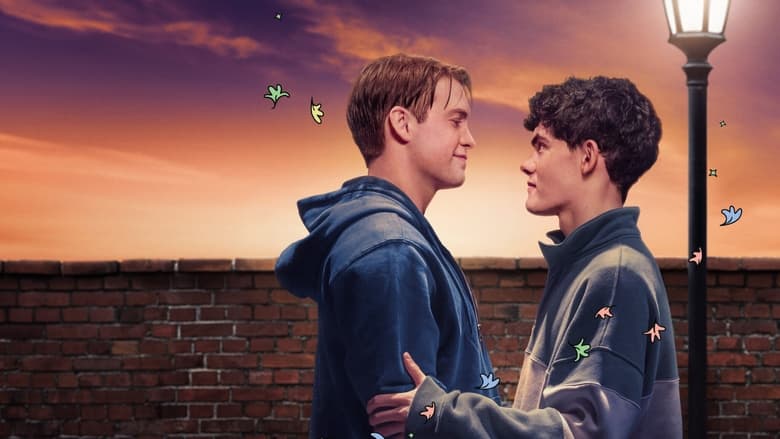

"Heartstopper" follows a deeply emotional and character-driven plot across its three seasons. The central twist is the relationship itself: the popular rugby player Nick Nelson falling for the openly gay, bullied Charlie Spring.
Season 1: The main arc is Nick's journey of self-discovery. He befriends Charlie, develops a crush, and experiences a 'bisexual crisis.' After their first kiss at a party, Nick struggles to reconcile his feelings with his public image and laddish friend group. A key conflict involves Charlie's toxic, secret ex-boyfriend, Ben Hope, and Nick's homophobic friend, Harry Greene. Nick eventually stands up to his friends and fights Harry to defend Charlie. The season culminates with Nick proudly taking Charlie on a date to the beach, declaring him his boyfriend, and then coming out as bisexual to his supportive mother, Sarah (Olivia Colman).
Season 2: This season focuses on Nick's coming-out journey and the couple navigating their new relationship. A school trip to Paris is a major setting, where their relationship deepens but is also tested by the pressure of being public. Charlie's eating disorder, hinted at in Season 1, becomes more apparent as he is seen restricting food and even faints at the Louvre. Major subplots include Tao and Elle admitting their feelings for each other and becoming a couple, and Darcy's happy-go-lucky exterior cracking to reveal she has a difficult, homophobic home life. Isaac also begins to realize he might be asexual and aromantic. The finale sees Charlie confessing the full extent of his past trauma and self-harm to Nick, deepening their emotional intimacy and setting the stage for the next chapter of his recovery.
Season 3: The final season directly confronts Charlie's mental health. With the support of Nick and his parents, Charlie begins therapy for his eating disorder and OCD. The season explores the strain this puts on Nick, who struggles with the feeling of responsibility. The main narrative is less about external conflict and more about the internal journey of recovery and how their relationship can withstand such a serious challenge. The series ends with the friend group looking towards the future of university and life after school, with Nick and Charlie's love stronger and more mature than ever. The show concludes its run here, with the story set to be wrapped up in a future feature-length film finale.