Heartstopper
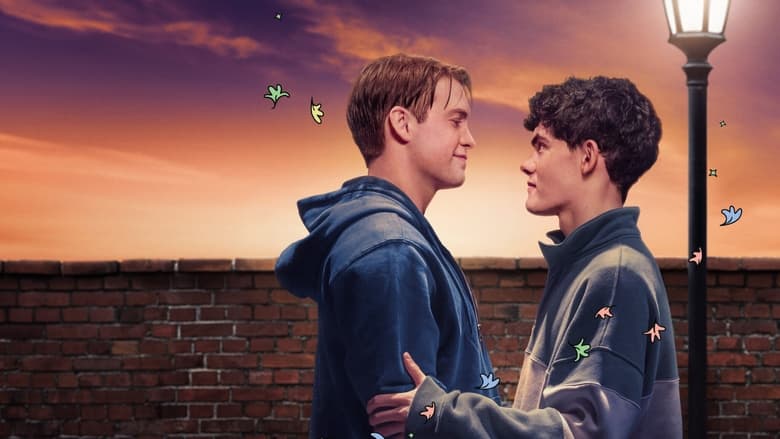
A tender coming-of-age romance that unfurls like a sun-drenched polaroid, capturing the electric spark of first love with gentle hues and heartfelt animation.
Heartstopper

Heartstopper

"The beginning of one thing can be the rest of everything."

22 April 2022 — 03 October 2024 United Kingdom 3 season 24 episode Canceled ⭐ 8.6 (1,601)
Cast: Joe Locke, Kit Connor, William Gao, Yasmin Finney, Tobie Donovan
Drama
LGBTQ+ Identity and Self-Discovery Mental Health Friendship and Found Family First Love and Romance

Overview

"Heartstopper" chronicles the burgeoning romance between Charlie Spring, a gentle, openly gay overthinker, and Nick Nelson, a cheerful, popular rugby player at their all-boys grammar school. What begins as an unlikely friendship seated together in form class soon blossoms into something deeper, forcing Nick to question his identity and navigate the complexities of his social circle.

Across its three seasons, the series expands to explore the lives, loves, and challenges of their tight-knit group of friends: Elle, a trans girl navigating a new school; Tao, Charlie's fiercely protective best friend; and the established lesbian couple, Tara and Darcy. The narrative tenderly balances the intoxicating joy of first love with the serious realities of bullying, mental health struggles, and the journey of self-acceptance, all while championing the importance of friendship and a strong support system.

Core Meaning

The core meaning of "Heartstopper" is the celebration of queer joy and the profound, life-affirming power of acceptance and unconditional love. The creators aimed to present an optimistic and gentle narrative for LGBTQ+ youth, one that validates their feelings and experiences without centering on trauma. The series posits that while prejudice and personal struggles like mental illness exist, they can be navigated and overcome with the strength found in authentic friendships, supportive family, and the courage to be oneself. It is a deliberate counter-narrative to tragic queer tropes, insisting that stories of young love, self-discovery, and happiness are not only possible but essential.

Thematic DNA

LGBTQ+ Identity and Self-Discovery 35%
Mental Health 30%
Friendship and Found Family 20%
First Love and Romance 15%

LGBTQ+ Identity and Self-Discovery

This is the central theme of the series, explored through multiple characters. Nick Nelson's journey from assuming he is straight to understanding and embracing his bisexuality is a primary arc. The show delicately portrays his internal confusion, his online research, and the eventual peace he finds in his identity. Charlie, already out as gay, grows in confidence and learns to value himself outside of his relationships. The series also beautifully represents other queer identities through Elle, a trans girl who flourishes in a new, accepting environment; Tara and Darcy, who navigate being publicly out as a lesbian couple; and Isaac, who embarks on a journey of discovering he is asexual and aromantic in Season 2.

Mental Health

"Heartstopper" addresses mental health with significant care and nuance, particularly in its later seasons. Charlie's struggles with an eating disorder and obsessive-compulsive disorder (OCD), stemming from past bullying, become a central focus. The series carefully depicts the impact on his well-being and his relationship with Nick. Crucially, it emphasizes that love alone cannot cure mental illness and highlights the vital importance of seeking professional help and relying on the support of friends and family. The theme is handled not as a tragic plot device, but as a realistic challenge that characters confront with courage and support.

Friendship and Found Family

The series places immense value on the power of friendship. Charlie's initial trio with Tao and Isaac provides a crucial, if sometimes fraught, support system. The expansion of this group to include Nick, Elle, Tara, and Darcy creates a warm, inclusive 'found family.' They celebrate each other's joys, defend one another from bullies, and provide a safe space for vulnerability. Tao's initial protectiveness of Charlie and his eventual acceptance of Nick, and Elle's journey of finding new friends at Higgs who embrace her, underscore the theme that deep, platonic bonds are as formative and essential as romantic ones.

First Love and Romance

At its heart, the series is a tender, heartwarming romance. It captures the small, 'heart-stopping' moments of a first crush: hesitant touches, longing glances, and the thrill of a text message. The relationship between Nick and Charlie is portrayed as gentle, communicative, and built on a foundation of genuine friendship. The series contrasts their healthy dynamic with Charlie's previous toxic, secret relationship with Ben Hope, thereby defining what positive, respectful love looks like. It revels in the giddiness and wholesomeness of young romance, making it a central, uplifting force in the narrative.

Character Analysis

Charlie Spring

Joe Locke

Archetype: The Relatable Hero
Key Trait: Empathetic

Motivation

Charlie's primary motivation is to find love and acceptance. Initially, he believes he is difficult to love and should be grateful for any affection, which leads him to Ben. As his relationship with Nick develops, his motivation evolves. He wants to be a good boyfriend to Nick and not be a 'burden,' which sometimes causes him to hide his mental health struggles. Ultimately, his motivation becomes about getting better for himself and for the future of his relationship.

Character Arc

In Season 1, Charlie is a kind but anxious teenager, still recovering from being outed and bullied the previous year. He has a degree of learned helplessness, initially staying in a toxic secret relationship with Ben. His arc is about gaining self-worth, largely through Nick's unconditional affection. He learns to stand up for himself, culminating in him telling off Ben. In Seasons 2 and 3, his arc deepens to confront his severe mental health issues, including an eating disorder and OCD. His journey shifts from simply finding love to learning to love himself, accepting his illness, and taking the courageous step to seek professional help, showing immense growth in vulnerability and strength.

Nick Nelson

Kit Connor

Archetype: The Everyman Hero
Key Trait: Loyal

Motivation

Nick's initial motivation is simply to be a good friend to Charlie. As his romantic feelings grow, his motivation shifts to understanding himself and his own identity. Once he accepts his bisexuality, his driving force becomes protecting his relationship with Charlie and creating a safe, happy life for them. He is motivated by love, loyalty, and a strong sense of right and wrong, which allows him to cast off the toxic friendships that once defined him.

Character Arc

Nick begins as a popular, seemingly straight 'rugby lad.' His arc is a classic journey of self-discovery. Meeting Charlie awakens feelings he doesn't understand, leading him on a thoughtful, and sometimes confusing, path to accepting his bisexuality. His journey in Season 1 is about reconciling his public persona with his private feelings, culminating in him coming out to his mother in a widely praised scene. Across the series, his arc evolves into that of a supportive partner, learning about Charlie's mental health struggles and figuring out how to be there for him. He grows from a happy-go-lucky teen into a deeply caring and emotionally intelligent young man who learns to stand up to his homophobic family and friends.

Elle Argent

Yasmin Finney

Archetype: The Seeker
Key Trait: Creative

Motivation

Elle is motivated by a desire for connection and belonging. Having gone through her transition, she seeks a social environment where she can be her true self without fear or judgment. She is also motivated by her deep loyalty to her old friends, especially Tao, even as their dynamic changes. Her artistic pursuits also drive her, representing her way of expressing her unique perspective on the world.

Character Arc

Elle's arc begins after she has transferred from the all-boys Truham Grammar to the all-girls Higgs school. Her initial story is about finding her place and making new friends after her transition, feeling isolated from her old friends Charlie, Tao, and Isaac. She quickly forms a powerful bond with Tara and Darcy, finding acceptance and community. Her secondary arc revolves around her evolving feelings for her best friend, Tao. Their journey from friends to a couple is a slow burn, filled with miscommunication and awkwardness, but ultimately sweet. Her arc is one of finding confidence, community, and love in her new, authentic life.

Tao Xu

William Gao

Archetype: The Protector
Key Trait: Protective

Motivation

Tao is motivated by a deep-seated fear of loneliness and a fierce loyalty to his friends. He sees his friend group as a bulwark against the world, and any change to its dynamic feels like a threat. His actions, though sometimes misguided, stem from a genuine desire to protect the people he loves from getting hurt, especially Charlie, whom he saw suffer from bullying.

Character Arc

In Season 1, Tao is fiercely protective of Charlie, almost to a fault. His cynicism and fear of being abandoned (with Elle having left for Higgs and Charlie now spending all his time with Nick) cause him to be distrustful of Nick. His arc is about learning to let go, trust his friends' judgments, and embrace change. In Season 2, his focus shifts to his romantic feelings for Elle. He struggles to move their relationship out of the friend zone, often overthinking his gestures. His growth lies in becoming more open and emotionally vulnerable, both with Elle and his male friends, moving past his fear-based protectiveness to a more mature and trusting form of friendship and love.

Symbols & Motifs

Animated Leaves

Meaning:

The signature animated leaves symbolize the magical, overwhelming emotions of first love and connection. They represent growth, hope, and new beginnings. The leaves physically manifest the characters' internal feelings—the 'butterflies' in their stomachs—making the invisible rush of emotion visible to the audience. They are a direct visual nod to the series' graphic novel origins and its whimsical, heartfelt tone.

Context:

The leaves appear during pivotal, emotionally charged moments between characters, most frequently Nick and Charlie. They swirl around them during their first meeting, their first kiss, and moments of deep connection. The way the leaves move—circling one character and flowing to another—can signify the direction and reciprocation of feelings. Their absence or altered appearance, like a single leaf falling when Isaac is kissed, can symbolize a lack of connection.

Sparks and Lightning

Meaning:

Animated sparks, lightning, or crackles of electricity symbolize the electric, almost shocking, feeling of physical touch and romantic tension. They represent the jolt of a crush and the palpable chemistry between two people whose hands are about to touch for the first time. It visualizes the intensity and excitement of nascent romance.

Context:

This animation is used when characters are on the verge of a significant physical interaction. A prime example is when Nick and Charlie's hands almost touch for the first time on Charlie's bed in Season 1, with a small bolt of animated energy crackling between their fingers. It heightens the sense of anticipation and the significance of the moment.

Rugby

Meaning:

Rugby serves as a symbol of traditional masculinity and the social pressures Nick initially faces. His identity as the 'rugby king' is at odds with his burgeoning feelings for Charlie. Charlie joining the team is a brave step outside his comfort zone, while Nick's eventual willingness to prioritize Charlie over his rugby friends' approval symbolizes his character growth and shifting priorities. It represents the collision of Nick's old world with his new, more authentic self.

Context:

Rugby is central to the plot of Season 1. Nick invites Charlie to join the team, which is the catalyst for their friendship to deepen outside of the classroom. The rugby pitch and locker room are settings where Nick is confronted by the homophobia of his friends, forcing him to choose between his status and his feelings for Charlie.

Memorable Quotes

Don't let anyone make you disappear, Charlie.

— Mr. Ajayi

Context:

This is said in Season 1, Episode 5 ("Friend"). Mr. Ajayi finds Charlie hiding from the rain in his classroom and offers him a safe space, sensing that he is struggling with the social pressures of his new relationship with Nick and the bullying from Harry's group.

Meaning:

This line, spoken by the supportive art teacher, is a powerful piece of advice for Charlie, who has a tendency to make himself smaller or apologize for his existence due to past bullying. It's a plea for him to recognize his own worth and to stand firm in his identity, and it becomes a recurring mantra for his journey toward self-acceptance.

He's my boyfriend. Charlie is my boyfriend. I still like girls, but I like boys too. And me and Charlie, we're going out... It's called bisexuality, if you've heard of that.

— Nick Nelson

Context:

This iconic scene takes place in the Season 1 finale, Episode 8 ("Boyfriend"), after Nick and Charlie have spent a perfect day at the beach and made their relationship official. Nick sits down with his mum (played by Olivia Colman) in their kitchen to tell her his truth.

Meaning:

This is the emotional climax of Nick's Season 1 arc. The slightly clumsy, heartfelt, and direct way he comes out to his mother is celebrated for its authenticity and emotional resonance. It's a moment of profound courage and self-acceptance, and his mother's immediate, loving response provided a powerful, positive coming-out scene for countless viewers.

You don't get to make me feel like crap anymore just because you hate yourself.

— Charlie Spring

Context:

This confrontation happens in Season 1, Episode 7 ("Bully"), outside the school cinema. Ben tries to approach Charlie, who is on a date with Nick and their friends, and Charlie finally confronts him about his toxic behavior.

Meaning:

This line represents a major turning point for Charlie's character. After spending much of Season 1 being manipulated and hurt by his closeted ex, Ben Hope, Charlie finally finds the strength to stand up to him. It's a powerful declaration of self-worth and a rejection of the emotional abuse he had endured.

Love can't cure a mental illness.

— Aunt Diane

Context:

This is said in Season 3, Episode 2 ("Home"), during the friends' holiday in Menorca. Nick, increasingly worried about Charlie's eating habits, confides in his visiting Aunt Diane, who offers this gentle but firm reality check.

Meaning:

Spoken to Nick by his aunt in Menorca, this line is pivotal to the series' mature handling of mental health. It serves as a crucial piece of wisdom, advising the teenage characters (and the audience) that while love and support are essential, they are not a substitute for professional help. It validates Nick's concerns and gently guides him toward encouraging Charlie to seek proper treatment.

Episode Highlights

Kiss

S1E3

This episode is a major turning point in Nick and Charlie's relationship. At Harry's 16th birthday party, the atmosphere is electric. After witnessing Tara and Darcy share a joyful public kiss, and feeling a new sense of courage, Nick finds a quiet room and kisses Charlie for the first time. It's a tentative, sweet, and beautifully shot moment that solidifies the series' central romance and launches Nick's journey of self-discovery.

Significance:

The first kiss is the catalyst for the entire series' romantic arc. It confirms Nick's feelings are real, forcing him to confront his sexuality directly. It also marks a shift in Charlie's luck in love, offering him a genuine, reciprocated affection he's never had before. The episode is a fan favorite for perfectly capturing the 'heart-stopping' feeling of the show's title.

Boyfriend

S1E8

In the Season 1 finale, after weathering a fight and reconciling, Nick and Charlie ditch Sports Day for a trip to the seaside. On the beach, Nick makes it clear he wants to be with Charlie and is ready to come out to the people who matter. The episode is filled with iconic, joyful moments of their new relationship. It culminates in the incredibly moving scene where Nick comes out as bisexual to his mother, who accepts him with a warm hug.

Significance:

This episode cemented "Heartstopper" as a uniquely joyful and affirming piece of queer media. It provides a deeply satisfying conclusion to the season's arcs: Nick's journey to self-acceptance and Charlie's journey to finding a happy, healthy relationship. The final scene, in particular, had a massive cultural impact, praised for its positive and loving portrayal of coming out.

Truth/Dare

S2E6

Set during the final night of the Paris school trip, this episode is packed with emotional development. At Tara's birthday party, a game of truth or dare leads to tensions over Charlie's hickey. The episode explores Darcy's drunken vulnerability, Tao and Elle's first real kiss, and Isaac's growing realization about his own identity. The climax is Nick proudly defending Charlie and outing their relationship to some of their classmates.

Significance:

This episode marks the point where Nick and Charlie's relationship becomes more public and they begin to face the world as a couple. It skillfully juggles the romantic plotlines of all the main characters, pushing each of them forward significantly. Isaac's quiet journey towards understanding his asexuality also begins to take shape here.

Perfect

S2E8

The Season 2 finale centers on the school prom. While the event is filled with joy, Darcy is notably absent due to a conflict with her homophobic mother. Nick and the friend group leave the prom to support her. The episode's most crucial scene occurs later, at Nick's house, where Charlie opens up about the severity of the bullying he endured and reveals he self-harmed. Nick responds with love and support, and the episode ends on a cliffhanger as Charlie is about to type "i love you" in a text to Nick.

Significance:

This episode masterfully balances the show's trademark joy with its deepening exploration of serious themes. Darcy's storyline reveals the pain that can exist behind a cheerful facade, and Charlie's confession lays the groundwork for Season 3's focus on his mental health. It elevates the series beyond a simple romance to a more complex and poignant drama.

Journey

S3E4

Considered one of the most emotional episodes of the series, "Journey" directly confronts Charlie's mental health crisis. Following a conversation with Nick and his mother, Charlie agrees to seek medical help for his eating disorder. The episode sensitively portrays the beginning of his recovery journey, while also showing the strain it puts on Nick, who begins keeping a journal to process his feelings.

Significance:

This episode is pivotal for its direct and responsible handling of mental illness. It marks the crucial moment where the characters move from worrying about a problem to actively seeking a solution. It reinforces the show's core message about the importance of communication, support, and professional help, solidifying its reputation as a thoughtful and mature teen drama.

Philosophical Questions

What is the relationship between love and healing?

The series deeply explores whether love can 'fix' a person's problems. Initially, Nick's affection seems to be a healing balm for Charlie's low self-esteem. However, as the show matures, it poses a more nuanced argument. Through Charlie's deepening mental health struggles in Seasons 2 and 3, and the crucial advice Nick receives that "love can't cure a mental illness," the series philosophically concludes that while love is a vital support system that creates the conditions for healing, it is not a cure in itself. True healing requires professional help, self-acceptance, and hard personal work.

Does true identity lie in self-perception or social recognition?

"Heartstopper" examines the journey of identity through its characters. For Nick, his bisexuality is real long before he can name it or say it out loud. His arc explores the gap between his internal feelings and his social identity as a 'straight rugby lad.' The series suggests that while self-perception is the core of identity, the act of being recognized and accepted by others—coming out—is a crucial step for living authentically and joyfully. It shows that identity is both a deeply personal realization and a social experience.

What defines a 'strong' friendship?

The series presents multiple models of friendship. Tao's initial model is one of fierce, almost suffocating, protection. He believes strength lies in shielding his friends from harm and preserving the status quo. Through his conflicts with Nick and his relationship with Elle, he learns that a stronger friendship is based on trust, communication, and allowing people to make their own choices, even if it means they might get hurt. The show posits that the strongest friendships are those that can adapt and grow with change.

Alternative Interpretations

"Heartstopper" is largely celebrated for its emotional clarity and directness, leaving little room for radically different interpretations of its plot or themes. The creators' intent to portray a story of queer joy and acceptance is unambiguous. However, some discussions and minor alternative readings exist:

  • An Idealized Reality vs. A Needed Aspiration: Some commentary has questioned whether the overwhelmingly supportive environment—particularly the swift acceptance from Nick's mother and most friends—is an idealized fantasy rather than a reflection of reality for many queer teens. While most praise this as a refreshing and aspirational choice, an alternative reading sees it as potentially glossing over the harsher realities of homophobia and transphobia that many face.
  • The Pacing of Mental Health Storylines: While the handling of Charlie's mental health is widely praised for its sensitivity, some viewers have discussed the pacing and intensity of the storyline. Interpretations vary on whether the depiction provides a sufficiently deep look into the complexities of eating disorders and OCD within the series' generally optimistic framework.

Ultimately, the series is not built on ambiguity. Its power lies in its sincerity, and most critiques or alternative readings are nuances within a general consensus that celebrates the show's heartfelt message.

Cultural Impact

"Heartstopper" premiered to near-universal critical acclaim and became an instant global phenomenon, particularly praised for its positive and joyful depiction of LGBTQ+ relationships. In a media landscape often filled with tragic queer narratives, the series was celebrated for its focus on warmth, tenderness, and hope, a concept frequently referred to by the creators and fans as "queer joy." It received a rare 100% score on Rotten Tomatoes for its first season and massive viewership on Netflix.

The show's impact was deeply personal for many viewers. It was widely reported that the series, particularly Nick Nelson's coming-out storyline, helped numerous young people come to terms with their own sexuality and even come out to their families. Its authentic representation, using age-appropriate and LGBTQ+ actors, was also highly praised.

Beyond its social impact, "Heartstopper" had a significant effect on the publishing industry. Following the Netflix premiere, sales of Alice Oseman's graphic novels skyrocketed, making them bestsellers worldwide and boosting the young adult graphic novel category as a whole. The series has been lauded for changing the landscape of queer teen television, proving that stories centered on love and acceptance can be both critically successful and commercially viable, setting a new standard for representation in the genre.

Audience Reception

"Heartstopper" was met with an overwhelmingly positive and passionate audience reception. Upon its debut, it became a word-of-mouth sensation, dominating social media with discussions praising its wholesomeness, emotional depth, and positive representation. It achieved near-perfect audience scores on platforms like Rotten Tomatoes and IMDb, with viewers celebrating it as a comforting and important show, especially for LGBTQ+ youth who felt seen by the story.

The main points of praise from audiences consistently revolved around the casting of age-appropriate actors, the palpable chemistry between leads Kit Connor and Joe Locke, and the faithful, respectful adaptation of the source material. The series was often described as a 'warm hug' in show form.

Criticism has been minimal and often nuanced. Some viewers noted the relatively low-stakes drama of the first season as being perhaps too idealized, though most saw this as a deliberate and welcome choice. As the series progressed into Seasons 2 and 3 and tackled more serious themes like eating disorders and homophobia within families, the audience response deepened, with widespread praise for the show's ability to handle heavy topics with its signature gentleness and care. The evolution of audience opinion was largely one of growing appreciation for the show's increasing depth and emotional maturity.

Interesting Facts

  • The series is based on the wildly popular webcomic and graphic novel series of the same name by Alice Oseman, who also wrote every episode of the TV show, ensuring a faithful adaptation.
  • Oscar-winning actress Olivia Colman plays Nick Nelson's mother. Her involvement was kept a secret until the show premiered, serving as a major surprise for viewers.
  • The casting process was dedicated to finding age-appropriate actors. Joe Locke and Kit Connor were teenagers when they were cast, adding to the authenticity of their performances.
  • Yasmin Finney, who plays Elle, is a transgender actress, a casting choice praised for its authentic representation.
  • Many of the supporting actors were cast through an open casting call that received over 10,000 applications.
  • The animated flourishes like leaves and sparks were a key part of the show's visual identity, designed to directly evoke the art style and emotional beats of the original graphic novels.

Easter Eggs

Creator Alice Oseman has a cameo appearance in the Season 1 finale.

During the scene where Nick and Charlie are on the train to the seaside, Alice Oseman can be seen sitting in the same carriage, drawing on a tablet. This is a nod to her role as the creator and original artist of the "Heartstopper" universe.

Tori Spring, Charlie's sister, is the protagonist of Alice Oseman's first published novel, "Solitaire".

The character of Tori (played by Jenny Walser) and her distinctive pessimistic personality were fully established in Oseman's 2014 novel "Solitaire". Her inclusion in "Heartstopper" connects the show to a wider literary universe of Oseman's creation, often called the "Osemanverse".

A poster in Tao's bedroom is for a fictional film called "Radio Silence".

This is a direct reference to another of Alice Oseman's popular YA novels, "Radio Silence". This, along with other subtle nods, helps to ground the series within the interconnected world of Oseman's books.

⚠️ Spoiler Analysis

Click to reveal detailed analysis with spoilers

Frequently Asked Questions

Explore More About This Movie

Dive deeper into specific aspects of the movie with our detailed analysis pages

Comments (0)

Leave a comment

No comments yet. Be the first to share your thoughts!