Skip to content
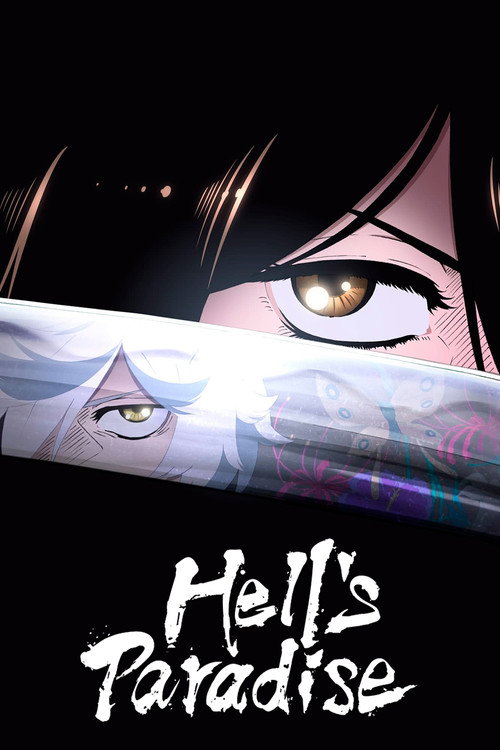
Hell's Paradise
A visceral dark-fantasy descent where blooming botanical beauty bleeds into existential body horror, navigating the fragile threshold between human devotion and monstrous decay through a tempest of blood, petals, and spiritual awakening.
Hell's Paradise
Hell's Paradise

地獄楽

"Nothing will ever be allowed to have any say in how we live...not even death itself."

01 April 2023 — 29 March 2026 Japan 1 season 25 episode Ended 8.2 (500)

Cast: Chiaki Kobayashi, Yumiri Hanamori, Ryohei Kimura, Rie Takahashi, Tetsu Inada

Animation Sci-Fi & Fantasy Action & Adventure Acceptance of Vulnerability and Duality (Yin & Yang) The Illusion of Morality and Justice Transience vs. The Curse of Immortality Identity, Autonomy, and Breaking Chains Found Family and Unlikely Camaraderie

Hell's Paradise — Ending Explained

⚠️ Spoiler Analysis

The Island's True Nature: Shinsenkyo is not a mythical Pure Land, but a giant, artificial laboratory created by Xu Fu and managed by Rien, the head of the Lord Tensen. The immortal rulers cultivate the 'Elixir of Life' (Tan) by liquefying captured humans in cauldrons to harvest their concentrated Tao.

Rien's True Goal: Rien seeks to sail to mainland Japan with a massive reserve of corrupted pollen, turning the entire population of Japan into flowers to harvest enough Tao to resurrect her long-dead husband, Xu Fu.

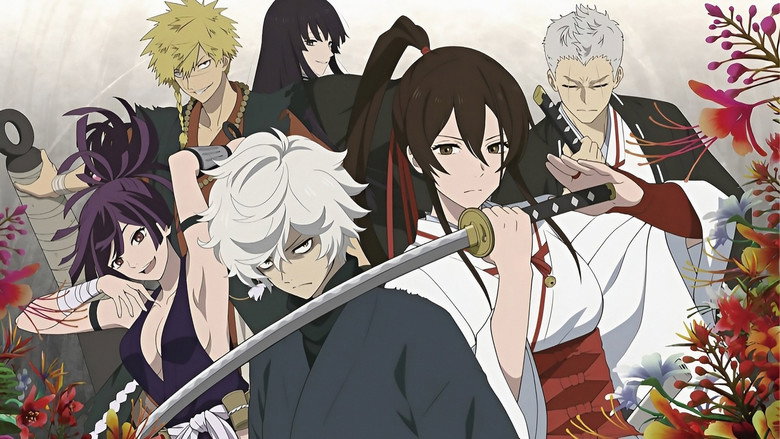
The Climactic Turn: The human survivors (Gabimaru, Sagiri, Yuzuriha, Chobei, Toma, Shion, Nurugai, and Gantetsusai) unite, learning the cyclic counter-element system of Tao (Fire > Metal > Wood > Earth > Water > Fire) to exploit the Tensen's weaknesses.

The Final Sacrifice & Resolution: In the final battle aboard the departing warship, Chobei sacrifices much of his regenerated body alongside Gabimaru and Sagiri to strike down Rien. Seeing Gabimaru’s devotion to his wife, Rien recognizes the genuine love she once had for Xu Fu, letting go of her obsession as she crumbles.

Finale & Fate of the Survivors: Gabimaru receives his pardon through Sagiri’s report stating that he was killed in action. He returns to the mainland and reunites with his wife Yui, who is alive and waiting for him, choosing a quiet life of domestic peace. Sagiri and Yuzuriha travel the country freely together, leaving behind the feudal shackles of their pasts.

Alternative Interpretations

The series supports multiple analytical readings:

  • The Psychological Reading (Psychological Allegory): Shinsenkyo is interpreted as a psychological purgatory where every human undergoes a literalization of their internal neuroses. The journey through the island represents the Jungian process of individuation—integrating the shadow self, confronting repressed guilt, and harmonizing masculine/feminine psyche aspects (Animus/Anima, or Yin/Yang).
  • The Political Reading (Critique of Authoritarianism): The island and the Shogunate are dual reflections of despotic regimes. Both the immortal Tensen and the Shogun treat human bodies as mere livestock and fuel for their own endless vanity and survival.
  • The 'Yui's Existence' Debate: Throughout the early journey, characters question whether Gabimaru’s wife was merely an illusion created through village brainwashing to control him. This dynamic prompts viewer debate over whether Gabimaru's devotion is founded on reality or on a vital coping mechanism constructed to keep his conscience alive.

Explore More About This Movie

Dive deeper into specific aspects of the movie with our detailed analysis pages

Similar Movies