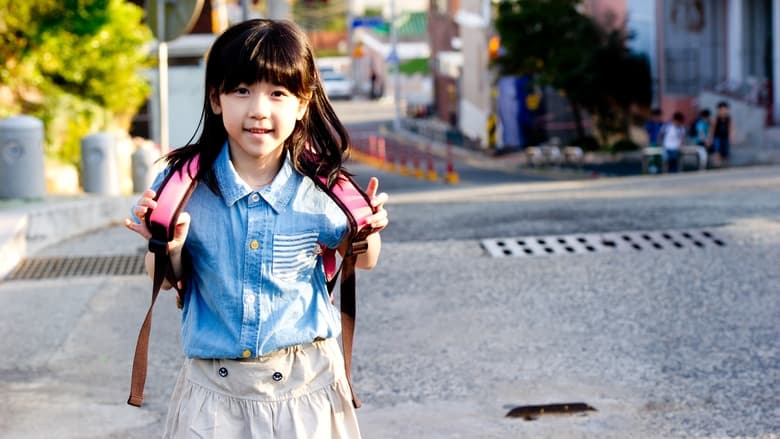
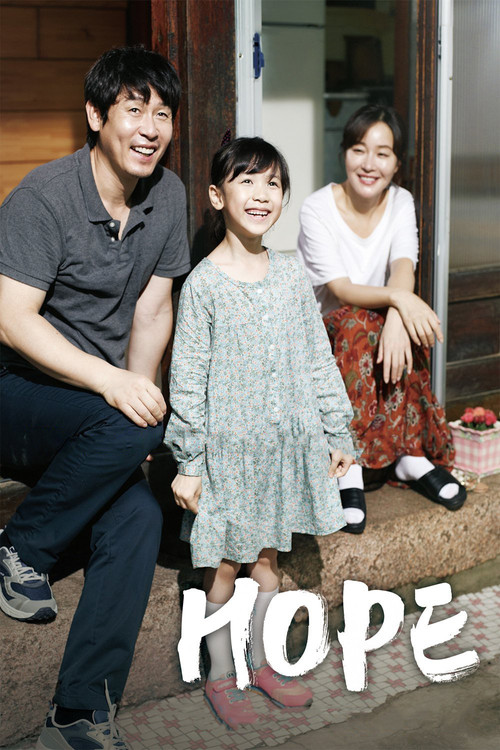
The plot of "Hope" follows the aftermath of the brutal sexual assault of eight-year-old So-won. After being found near death and undergoing extensive surgery that leaves her with a permanent colostomy bag, So-won returns home physically and psychologically scarred. A major plot turn is her development of androphobia (fear of men), which causes her to recoil from her own devastated father, Dong-hoon. This creates a painful rift in the family, which Dong-hoon desperately tries to cross by secretly wearing a Cocomong cartoon costume to be near her without frightening her.
The community rallies around the family, providing financial and emotional support, which becomes a critical element in their slow recovery. The narrative culminates in the trial of the attacker, who feigns being drunk and mentally unstable to receive a reduced sentence. The court's decision to sentence him to only 12 years in prison is a crushing blow, leaving the family and their supporters enraged and without a sense of closure. In the film's closing scenes, So-won finally realizes the man in the Cocomong costume is her father and emotionally reconnects with him. The family is also shown welcoming a new baby, So-won's younger brother. This ending reveals the film's ultimate meaning: true healing and hope are not found in legal justice or revenge, but in the unwavering strength of familial love, the support of the community, and the courageous choice to embrace a new future, even one that is permanently altered by tragedy.