Hope
소원
"We won't let her shed tears again."
Overview
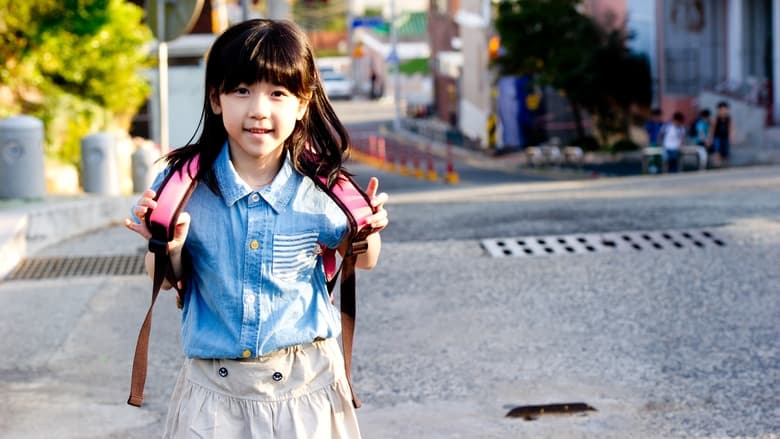
Based on a horrific true story, "Hope" (소원) tells the story of a young family whose world is shattered when their eight-year-old daughter, So-won, becomes the victim of a brutal sexual assault on her way to school. The attack leaves her with severe, life-altering physical and emotional scars.
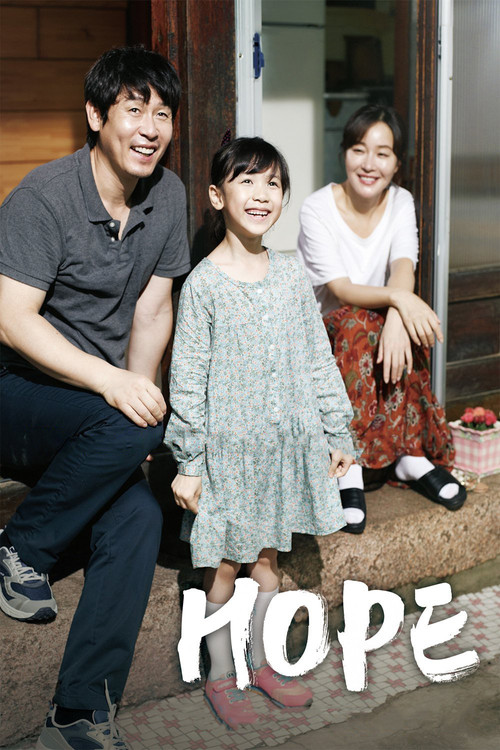
As So-won and her parents, Dong-hoon and Mi-hee, grapple with their immense grief, anger, and the daunting legal process, they find their relationships strained to the breaking point. The film focuses not on the crime itself, but on the arduous journey of healing that follows. It is a poignant exploration of how a family, with the overwhelming support of their friends and community, navigates the darkest of times to slowly and painfully piece their lives back together and rediscover hope.

Core Meaning
The core meaning of "Hope" is not to dwell on the depravity of a crime, but to illuminate the resilience of the human spirit and the profound power of communal love in the process of healing. Director Lee Joon-ik stated he wanted to create a "happy movie that begins with a tragedy," focusing on the aftermath and the family's struggle to reclaim their lives. The film's message is that while trauma inflicts wounds that may never fully disappear, the unwavering support of family and community can provide the strength needed to move forward and find light in the darkness. It is a testament to the idea that recovery is a collective effort and that hope, even when seemingly lost, can be nurtured back to life through empathy and sacrifice.
Thematic DNA
The Journey of Healing After Trauma
The film's central theme is the painstaking process of healing from an unimaginable trauma. It portrays this journey realistically, showing the psychological and physical aftermath for So-won, including her fear of men, which extends to her own father. The narrative avoids a simplistic recovery arc, instead emphasizing the small, difficult steps the family takes—seeking therapy, the father's unconventional methods to reconnect, and the community's gentle support—to help So-won reclaim a semblance of her childhood. It shows that healing is not about forgetting but learning to live with the scars, supported by love.
Familial Love and Sacrifice
"Hope" is a profound exploration of parental love and the lengths a parent will go to for their child. So-won's father, Dong-hoon, is consumed by guilt and grief but channels his pain into a desperate, selfless mission to reconnect with his daughter who is now terrified of him. His decision to wear a heavy, hot Cocomong costume just to be near her without causing fear is the film's most powerful representation of this theme. The mother, Mi-hee, grapples with her own trauma and an unexpected pregnancy, showcasing the immense emotional burden carried by the entire family unit.
The Power of Community Support
The film strongly emphasizes that healing is not a solitary endeavor. When the family is at its lowest, their friends, neighbors, and even strangers rally around them. They organize fundraisers to cover medical bills, the father's boss provides financial aid and understanding, and So-won's school friends make pacts to protect her. This collective empathy acts as a crucial buffer against the family's isolation and despair, illustrating that the burden of tragedy can be made lighter when shared by a compassionate community.
Inadequacy of the Justice System
A significant undercurrent in the film is the critique of a legal system that fails to deliver true justice. The family's experience with the police and courts is re-traumatizing, and the final verdict—a lenient 12-year sentence for the perpetrator who claimed he was drunk—sparks outrage and highlights a devastating gap between the law and moral justice. This reflects the public fury over the real-life case the film is based on and questions whether any legal punishment can truly account for the lifelong suffering of a victim.
Character Analysis
Im So-won
Lee Re
Motivation
Initially, her motivation is pure survival. Even in her injured state, she has the presence of mind to call for help and try to remember details about her attacker. As she recovers, her motivation becomes the desire to return to a life that feels safe and to overcome the fear that consumes her. Her love for her parents, though difficult to express, remains a driving force.
Character Arc
So-won begins as a bright and happy eight-year-old. After the assault, she becomes withdrawn, traumatized, and mute, communicating only through writing. A significant part of her arc is her developing fear of men, which tragically includes her loving father. Through therapy, the unwavering support of her family, and her own incredible inner strength, she slowly begins to heal. Her journey is not about erasing the trauma but learning to live with it, eventually reconnecting with her father and finding joy again, culminating in her accepting a new baby brother into the family.
Dong-hoon
Sul Kyung-gu
Motivation
His sole motivation is his daughter's well-being and recovery. He is driven by a desperate need to see her smile again and to restore the sense of safety that was stolen from her. He fights for justice in the courtroom but finds his true purpose in the small, daily acts of love that help her heal.
Character Arc
Dong-hoon is a working-class father who is initially overwhelmed by guilt and rage. His arc is defined by his transformation from a grieving, helpless parent into a proactive, selfless protector. When he realizes his very presence terrifies his daughter, he endures immense emotional pain and finds a creative, sacrificial way to stay in her life by wearing the Cocomong costume. His journey is about channeling his anger and despair into acts of profound love, ultimately helping to mend the broken bond with his daughter and lead his family toward healing.
Mi-hee
Uhm Ji-won
Motivation
Her motivation is to see her daughter and family become whole again. She is driven by a fierce maternal instinct to protect So-won from further pain, both from the media and the trauma itself. She strives to rebuild a stable and loving home environment where healing is possible.
Character Arc
Mi-hee is shattered by the assault on her daughter, initially collapsing in grief and struggling with feelings of guilt. Her arc involves navigating her own overwhelming sorrow while also discovering she is pregnant with another child. Initially resistant to psychological help, she comes to understand its necessity for So-won's recovery. She learns to lean on the support of her friends and community, finding the strength to support both So-won and the new life she is carrying, embodying the family's struggle to embrace the future despite the horrors of the past.
Symbols & Motifs
The Cocomong Costume
The Cocomong (a popular Korean cartoon character) costume symbolizes the father's unconditional love, sacrifice, and his desperate attempt to bridge the emotional chasm created by So-won's trauma. Since she has developed a phobia of adult men, including him, the costume allows him to become a safe, non-threatening presence in her life, a guardian angel she can trust.
After So-won recoils from his touch in the hospital, a heartbroken Dong-hoon begins wearing the heavy character costume to accompany her to and from school and to simply be near her. He endures physical discomfort and exhaustion to provide a silent, comforting presence. The moment So-won realizes it is her father inside and takes off the mask signifies a monumental step in her healing and the mending of their relationship.
The Colostomy Bag
The colostomy bag is a stark, physical manifestation of the permanent damage inflicted upon So-won. It represents the lifelong scars, both visible and invisible, that she and her family must learn to live with. It symbolizes the harsh, practical realities of her new life and the constant reminder of the trauma. However, the family's eventual acceptance and management of the bag also symbolizes their resilience and adaptation in the face of irreversible change.
The bag is introduced by the doctors after So-won's life-saving surgery. A pivotal scene occurs in the hospital when the bag leaks, and her father's attempt to help her triggers a traumatic flashback, highlighting the psychological connection to her physical injuries. Her friends and family later find creative ways to make carrying it more comfortable, demonstrating their support and acceptance of her condition.
The Kite
The kite represents the fragility of childhood innocence and, ultimately, the enduring nature of hope. Its ability to soar despite being tethered to the ground mirrors So-won's own spirit, which, though battered, strives to rise again.
The film reportedly opens with the image of a kite flying freely. A review notes that the kite, which falls at the start of the film, is seen flying high again at the end, symbolizing a restoration of hope for So-won and other children who have suffered.
Memorable Quotes
아빠, 나 뭐 잘못했어요? (Appa, na mwo jalmothaesseoyo?)
— So-won
Context:
So-won asks this question to her father in the hospital during her initial recovery. After the traumatic event, she is trying to understand why it happened to her, and her child's logic leads her to question her own actions.
Meaning:
Translated as "Dad, did I do something wrong?" this devastating question encapsulates the terrible self-blame that victims of abuse often internalize. It highlights the innocence of a child trying to make sense of an incomprehensible act of cruelty, believing she must have been at fault. It is one of the most heart-wrenching moments, revealing the profound psychological damage inflicted by the assault.
그 아저씨… 꼭 잡아야 돼요. (Geu ajeossi… kkok jabaya dwaeyo.)
— So-won
Context:
In the hospital, barely able to speak, So-won says this to her father. She is afraid she will fall asleep and forget the details of her attacker, showing a remarkable will to see the perpetrator brought to justice despite her condition.
Meaning:
Meaning "That man... you have to catch him." This line, spoken by So-won shortly after regaining consciousness, demonstrates her incredible resilience and clarity of mind even in the face of extreme trauma. Instead of being completely lost in her pain, a part of her is focused on justice, showing a spirit that refuses to be entirely broken.
Philosophical Questions
What is the true nature of justice when legal systems fail?
The film powerfully explores this question through the family's devastating experience with the courts. The perpetrator receives a mere 12-year sentence, a legal outcome that feels like a profound injustice to the family and the audience. The film suggests that when formal justice is inadequate, a different kind of justice must be found—not in revenge, but in the act of survival, healing, and the community's collective condemnation of the crime. It posits that the ultimate triumph over evil is not a longer prison sentence, but the victim's ability to find hope and continue living.
How can hope exist in the aftermath of unimaginable suffering?
The film's very title poses this question. It explores how hope is not a passive feeling but an active, communal process. Hope is found in the father's selfless sacrifice inside the Cocomong costume, in the friends who raise money, in the classmates who protect So-won, and in the family's decision to welcome a new child. The film argues that hope is not the absence of pain, but the ability to find meaning and connection despite it. It is nurtured through acts of love, empathy, and the collective will of a community to help one of its own heal.
Can broken bonds of trust ever be fully mended?
The film delves into this question through the fractured relationship between So-won and her father, Dong-hoon. The trauma makes her terrified of the man who loves her most, creating a seemingly insurmountable barrier. The film explores the slow, painful, and unconventional path to rebuilding that trust. It shows that mending such a bond requires immense patience, empathy, and a willingness to communicate in a new language—in this case, through the anonymity of a cartoon character. The eventual reconciliation suggests that while scars remain, even the most deeply broken bonds can be repaired through persistent, selfless love.
Alternative Interpretations
While the film's message is largely direct, some critics have pointed to a potential for emotional manipulation, a common characteristic attributed to certain Korean melodramas. This interpretation doesn't change the film's core meaning but rather critiques its method of delivery. These critics suggest that the use of a bright, optimistic color palette and swelling musical cues during scenes of community support, while heartwarming, are calculated to elicit a strong tearful response from the audience. This perspective views the film not just as a raw portrayal of trauma, but also as a carefully constructed piece of melodrama that, while effective, relies on familiar tropes to guide the viewer's emotional journey. However, most analysis agrees that the film's ultimate focus on hope and healing is its genuine and intended purpose.
Cultural Impact
"Hope" had a significant cultural and social impact in South Korea, reigniting public discourse and anger surrounding the real-life case of Cho Doo-soon. The film's release brought renewed attention to the perceived leniency of the country's laws regarding sexual predators and the protection of children. Along with other films based on true crimes like "Silenced" (2011), "Hope" became part of a cinematic movement that holds a mirror to societal problems and has, in some cases, spurred legal and social change. The film was praised by critics for its sensitive handling of a harrowing subject, choosing to focus on empathy and healing rather than exploitation. For audiences, it was a profoundly moving, albeit difficult, experience that fostered a greater understanding of the long-term trauma faced by survivors and their families. The widespread public anger surrounding the case, amplified by the film, culminated in protests upon the real perpetrator's release from prison in December 2020.
Audience Reception
Audience reception for "Hope" has been overwhelmingly emotional, with many viewers describing it as one of the most heart-wrenching and difficult films they have ever seen. It is almost universally praised for its powerful and authentic performances, particularly from child actress Lee Re as So-won and Sul Kyung-gu as her father, whose portrayal is seen as phenomenal. Viewers were deeply moved by the film's focus on the healing process and the immense power of community support, finding the story to be ultimately uplifting and beautiful despite its tragic premise. The main point of criticism from some viewers is that the film can feel emotionally manipulative, using melodramatic elements to intentionally provoke tears. However, the overall verdict is that "Hope" is a masterpiece—a poignant, important, and sensitively handled film that tells a story of incredible pain and remarkable resilience.
Interesting Facts
- The film is based on the infamous and brutal Cho Doo-soon case from 2008, where an 8-year-old girl was savagely assaulted in a public restroom, sparking national outrage in South Korea.
- Director Lee Joon-ik had briefly retired from the film industry after the box office disappointment of his previous film. The script for "Hope" was so compelling that it persuaded him to return to directing.
- To maintain the emotional intensity of his role, lead actor Sul Kyung-gu, who played the father Dong-hoon, remained in character throughout the entire filming period, constantly wearing his character's clothes.
- Child actress Lee Re, who was only seven years old during production, gave such a powerful performance as So-won that it was hailed by critics as astounding and unbelievable for her age.
- Actress Uhm Ji-won, who played the mother Mi-hee, initially turned down the role two years prior, feeling she was not ready to tackle the intense emotions required. She was later convinced to take the part.
- The film deliberately avoids showing the graphic details of the assault. Director Lee Joon-ik's intent was to focus on the family's journey of healing and suffering, not on the horrific crime itself.
- "Hope" was a surprise winner for Best Film at the 34th Blue Dragon Film Awards, one of South Korea's most prestigious award ceremonies, beating several major blockbusters.
⚠️ Spoiler Analysis
Click to reveal detailed analysis with spoilers
Frequently Asked Questions
Explore More About This Movie
Dive deeper into specific aspects of the movie with our detailed analysis pages
Comments (0)
No comments yet. Be the first to share your thoughts!