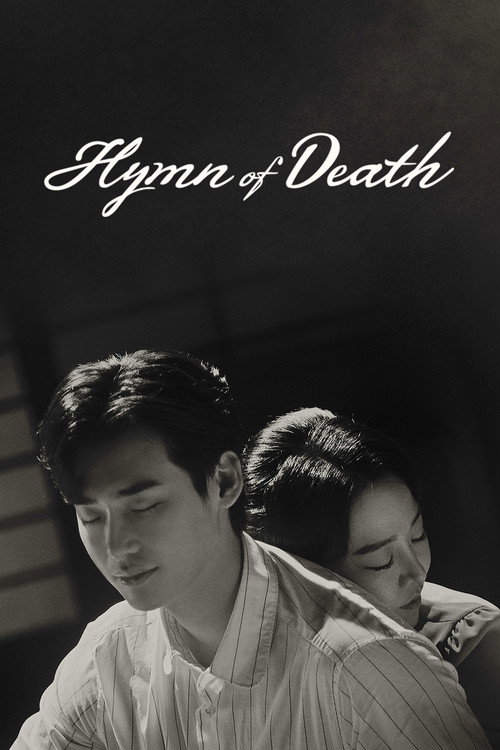
사의찬미
"The last song sung at the end of life."
Cast: Lee Jong-suk, Shin Hye-sun, Park Sun-im, Lee Ji-hoon, Kim Kang-hyun
Hymn of Death — Movie Quotes
Memorable Quotes
너, 살고 있는가? 아니, 나는 죽기를 바란다. 참으로 살기 위하여.
Context
Delivered as a voiceover in Episode 6 while U-jin writes in Tokyo, quoting from his 1926 poem Theory of Life and Death.
Meaning
Crystallizes the thematic core of the series: confronting physical mortality as the only path to authentic spiritual survival.
인생에서 처음이자 마지막으로 가장 나다운 삶을 살아볼 생각이에요. 설령 그 삶이 고생의 종말일지라도.
Context
Spoken to Kim U-jin in Episode 6 while discussing the suicide of Arishima Takeo.
Meaning
Articulates her resolve to step outside societal pressures and live genuinely for the first time, even if it leads to absolute termination.
선생은 살고자 했던 겁니다. 나다운 삶을 살기 위해... 죽음을 선택한 것뿐이에요.
Context
Spoken during their final night in Tokyo in Episode 6.
Meaning
Reframes suicide not as cowardice or escape, but as an intentional act to preserve one's authentic self against an unlivable reality.
나는 이제 좀 쉬고 싶어요. 정말이지 너무 지쳐 버렸거든요... 그러니 당신도 편히 쉬어요, 내 곁에서.
Context
Shared as a mutual confession in the finale.
Meaning
Cements their mutual decision to embark together on the passenger ferry, seeking the deep rest they were denied on land.
십 년 전에는 우리에게 자유가 있었습니다. 그러나 지금 이 땅에 자유는 없습니다.
Context
Delivered in Episode 2 during the theatrical tour in Korea, leading directly to U-jin's arrest and brutal interrogation by Japanese police.
Meaning
An explicit lament of the loss of national sovereignty under colonial rule that exposes the political danger of their art.
Explore More About This Movie
Dive deeper into specific aspects of the movie with our detailed analysis pages