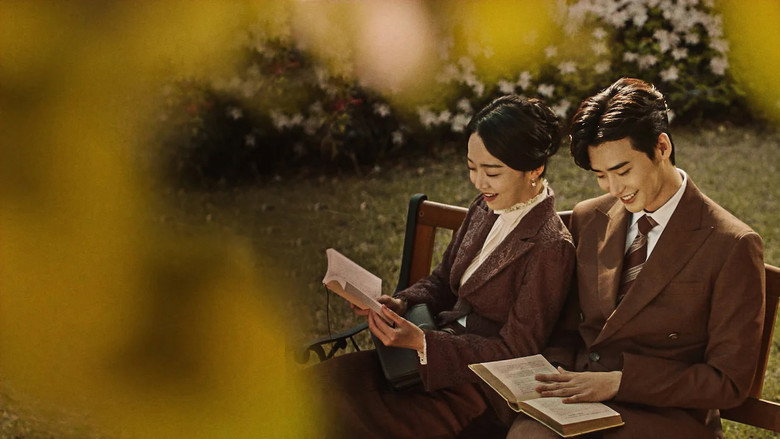
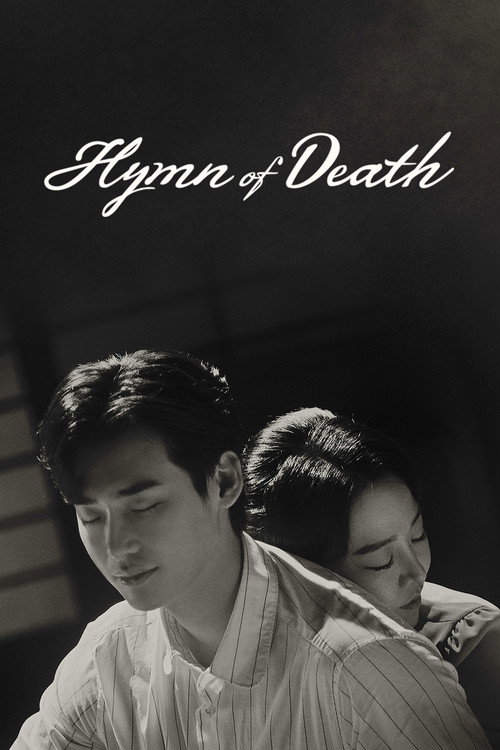
Framed chronologically between 1921 and August 1926, the series opens aboard the ferry Tokuju Maru, where crew members find an empty stateroom and two sets of footwear left neatly on the storm-swept deck before the narrative flashes back five years.
In 1921 Tokyo, Kim U-jin leads a student theatre collective to awaken cultural consciousness. He casts soprano Yun Sim-deok, and their mutual dedication to artistic freedom in an occupied era sparks a deep bond. Following a successful Korean tour, U-jin is arrested and tortured by Japanese colonial authorities for an unapproved theatrical line mourning the loss of national liberty. Sim-deok tends to his wounds, but upon visiting his ancestral home in Mokpo, she is heartbroken to discover he is already married to Jung Chum-hyo under his father's orders. She leaves her fedora behind and withdraws.
By 1926, Sim-deok is an impoverished soprano overwhelmed by her family's debts and targeted by false rumors of sexual patronage. Imperial authorities deliver an ultimatum forcing her to become an official state singer for the Japanese Governor-General under threat of family starvation. Meanwhile, after his father destroys his writings to force him into estate management, U-jin abandons his inheritance and escapes to Tokyo. Sim-deok travels to Japan to record an album with Nitto Records, including her self-penned song Praise of Death set to Waves of the Danube.
Realizing that society leaves them no space to love or live authentically without hurting others or surrendering their dignity, the two reunite in Tokyo and board the ferry back to Korea under assumed aliases. In their stateroom, they listen to her record, remove their shoes, dance a final barefoot waltz on the fog-drenched deck, and jump into the Genkai Sea together, choosing eternal rest over physical servitude.