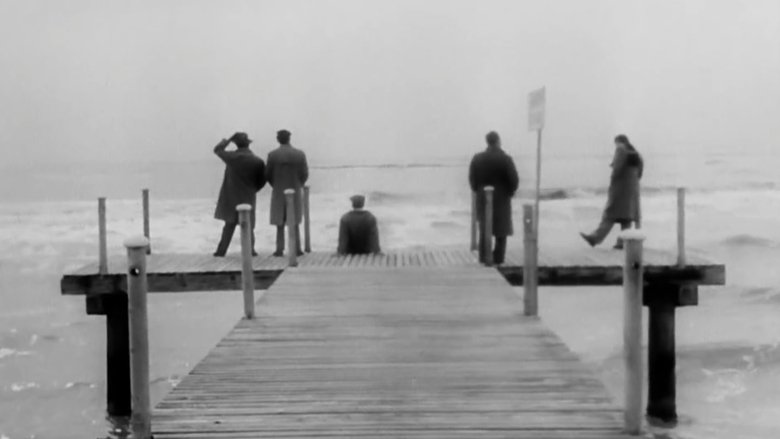
The film's episodic structure culminates in a series of harsh reality checks for the vitelloni. Alberto's sister Olga, who has been financially supporting him, elopes with her married lover, leaving Alberto devastated and forced to face his own pathetic helplessness. Leopoldo's illusions of artistic grandeur are shattered when he realizes an aging actor he admires only wants to seduce him.
Fausto reaches rock bottom when he steals a wooden angel statue from his employer, leading to his firing and his wife Sandra finally running away with their baby. After a frantic search, Fausto is publicly and brutally beaten by his own father, a humiliating event that finally forces him to accept his role as a husband and father. The ultimate twist occurs at the end: Moraldo, the quiet observer, sneaks away to the train station before dawn. As the train pulls away, a famous surreal crane shot tracks through the bedrooms of his sleeping friends—representing either Moraldo's memories or the friends' eternal stagnation. The film ends on the young station boy, Guido, balancing on the rails, symbolizing the steady rhythm of life and work that the vitelloni have always avoided.